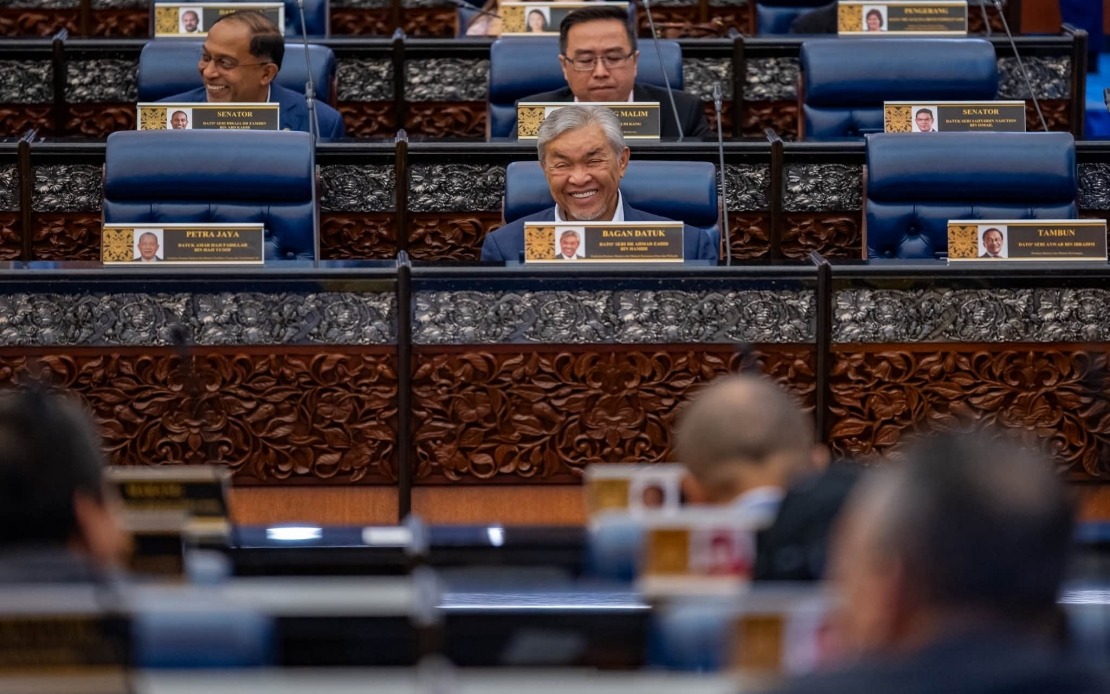
Deputy Prime Minister Datuk Seri Dr Ahmad Zahid Hamidi has stressed that any constructive criticism levelled at Lembaga Tabung Haji (TH) must be accompanied by concrete and responsible action to preserve the Islamic institution's reputation and public confidence. Speaking after Parliament's special sitting to debate the Royal Commission of Inquiry (RCI) report on TH, Zahid emphasised that prolonged controversies risk undermining the credibility of an institution that serves millions of Malaysian Muslims preparing for the Hajj pilgrimage.
Zahid, who also holds the portfolio of Rural and Regional Development Minister, pointed out that the parliamentary forum provided MPs with a formal opportunity to thoroughly examine, clarify and address all outstanding concerns surrounding TH's management. The special Dewan Rakyat sitting was convened following the government's decision on July 29 to release the RCI report publicly, enabling lawmakers to scrutinise its findings in detail and engage in substantive debate on the institution's future direction.
In his Facebook statement, Zahid expressed hope that the parliamentary proceedings would mark a turning point, encouraging all stakeholders to refrain from making unsubstantiated allegations or fostering misleading perceptions about TH. His comments reflect broader concern among government leadership that unfounded claims could accelerate a loss of public trust in an organisation managing pilgrim savings for millions of Malaysians.
The RCI investigation, which examined TH's management and operations spanning 2014 to 2020, uncovered multiple operational weaknesses and governance gaps requiring systematic remediation. The commission tabled 25 specific recommendations aimed at strengthening the institution's oversight mechanisms, financial controls and management practices. As of July 30, TH had already implemented 75 per cent of these recommendations, demonstrating momentum toward institutional reform.
Zahid's intervention underscores a delicate balancing act facing Malaysian policymakers: maintaining transparency about institutional failings whilst preventing reputational damage that could deter pilgrims from saving with TH or erode confidence in Islamic financial institutions more broadly. The deputy prime minister's emphasis on matching criticism with action suggests the government expects stakeholders to move beyond identifying problems toward proposing and implementing solutions.
The nature of TH's challenges carries particular weight in Malaysia's political and social landscape. As a government-linked institution entrusted with billions of ringgit in pilgrim funds, TH holds deep significance for the Muslim-majority population. Any sustained loss of confidence could trigger large-scale withdrawals, operational strain and potential systemic consequences for Malaysia's Islamic finance sector. This context explains why leadership has prioritised both transparency and swift remedial action.
Parliament's special sitting represented a significant departure from normal legislative proceedings, designating specific time for MPs to thoroughly examine and debate the RCI's work product rather than allowing findings to be released with minimal parliamentary scrutiny. This approach reflected recognition that public institutions serving religious functions require heightened transparency and accountability standards. By enabling MPs to question and discuss the report openly, the government signalled commitment to parliamentary oversight even on sensitive institutional matters.
The implementation rate of 75 per cent for RCI recommendations by late July suggests TH management has already mobilised significant internal resources to address identified deficiencies. This relatively rapid uptake indicates that some recommended reforms aligned with institutional priorities already underway, whilst others may have required only modest procedural adjustments. The remaining 25 per cent of recommendations likely involve more complex structural changes or require legislative amendments.
Zahid's call for wisdom and sincerity in addressing TH's challenges invokes broader Malaysian values of communal responsibility and religious stewardship. His invocation of the 'ummah' (Muslim community) and national interest reflects understanding that TH reform extends beyond technical governance matters to encompass Malaysia's credibility in managing religious institutions and protecting vulnerable savers. The deputy prime minister's framing positions institutional strengthening as a shared responsibility requiring input from political, administrative and civil society actors.
Moving forward, the success of TH reform will likely depend on sustained political commitment, effective implementation of remaining recommendations, and transparent communication with the pilgrimage community about improvements underway. Zahid's emphasis on matching criticism with action sets an implicit performance standard for both government and TH leadership to demonstrate tangible progress. Without visible, measurable improvements in governance and management practices, parliamentary scrutiny and public criticism could intensify rather than diminish.
The RCI report's public release and parliamentary examination represent watershed moments for Malaysian institutional transparency. They signal that even sensitive organisations serving religious constituencies will face scrutiny and must implement systemic improvements. For Malaysia's broader governance landscape, the TH case demonstrates that criticism followed by responsible action can enhance rather than diminish public confidence in institutions, provided reforms are comprehensive, credible and consistently communicated to stakeholders.

