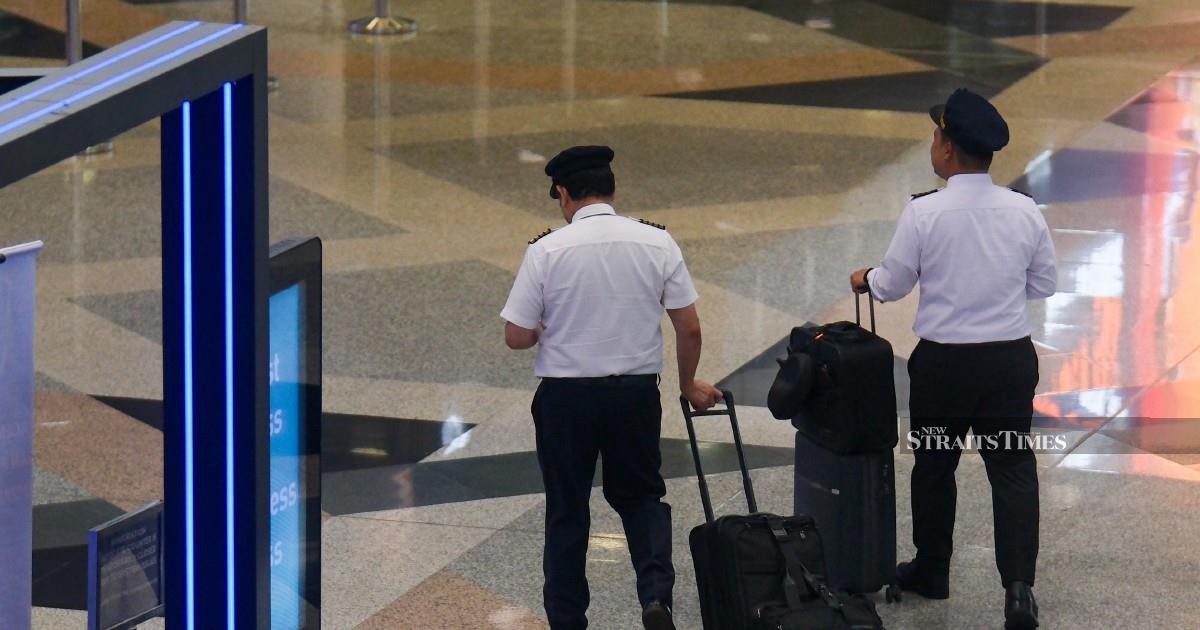
Malaysia Corruption Watch has stepped into the controversy surrounding a pilot's drug-related detention in Indonesia, urging investigators to redirect their attention toward identifying and addressing systemic security deficiencies at Kuala Lumpur International Airport rather than becoming preoccupied with apportioning blame among agencies.
The watchdog's intervention reflects a broader concern about how Malaysia's law enforcement responds to high-profile cases involving institutional failures. Rather than engaging in the typical bureaucratic finger-pointing that often follows such incidents, MCW is advocating for a more constructive approach centred on preventing recurrence through concrete security improvements.
The case has exposed uncomfortable questions about KLIA's ability to detect prohibited items before they leave the country. An international airport handling millions of passengers annually bears a fundamental responsibility to prevent contraband from being transported aboard aircraft—both to protect Malaysian citizens abroad and to safeguard the nation's reputation in the global aviation system. When such lapses occur, the response should prioritise understanding how they happened and how to prevent similar situations.
MCW's position highlights a persistent weakness in Malaysia's institutional culture: the tendency to prioritise accountability for individuals over fixing broken systems. This approach often results in scapegoating specific officials while leaving underlying vulnerabilities intact. A thorough security audit would examine whether screening protocols are adequately resourced, whether staff training is sufficient, whether technology is functioning as designed, and whether inter-agency coordination is effective—questions that transcend any single person's culpability.
The Kuala Lumpur International Airport operates as a critical gateway for Malaysia's aviation sector, handling scheduled operations for international carriers and serving as the primary hub for Malaysia Airlines and other regional airlines. The airport's reputation for security and operational standards directly influences investor confidence in Malaysia's transport infrastructure and affects how foreign airlines assess whether to maintain or expand their presence in the Malaysian market. A security failure of this magnitude inevitably generates uncomfortable conversations in international aviation circles.
The pilot's arrest in Indonesia rather than interception at source represents a significant operational failure. It means a person carrying drugs successfully passed through Malaysian airport security procedures, boarded an aircraft, and only faced consequences after crossing into another nation's jurisdiction. This sequence of events is particularly troubling because it suggests that either the screening mechanisms themselves are inadequate or that enforcement of existing procedures has become lax.
MCW's emphasis on systemic examination rather than blame allocation also resonates with international best practices in aviation security management. Most developed nations that have experienced similar incidents have responded by commissioning comprehensive audits conducted by independent specialists, leading to detailed recommendations for equipment upgrades, procedural refinements, and training enhancements. Malaysia would be well-served by adopting a similar framework.
The airport operator, ground service providers, aviation security personnel, customs officials, and various other stakeholders all play roles in the screening process. Determining which entity bears primary responsibility matters less than understanding where the chain of oversight fractured and how to reinforce it. A fragmented investigation that focuses on assigning blame without improving systems risks creating a false sense of resolution while leaving the same vulnerabilities in place.
For Malaysian travellers, the implications are clear. International airports are expected to maintain standards that prevent dangerous goods from reaching aircraft, protect passengers from security threats, and maintain the confidence of foreign governments in the airport's operational integrity. When these expectations are not met, it affects everyone from business travellers concerned about operational reliability to aviation professionals who depend on consistent safety standards.
The broader Southeast Asian context also matters. As Malaysia competes with Singapore, Thailand, and Indonesia for regional aviation hub status, security reputation carries weight. Airlines factor security assessments into decisions about where to base aircraft, route international connections, and invest in infrastructure. A coordinated, transparent response to security gaps—one that demonstrates commitment to improvement—contrasts favourably with defensive posturing that prioritises appearances over substance.
Moving forward, MCW's counsel deserves serious consideration from KLIA management and the relevant government agencies. An independent security review, transparent publication of findings, and a publicly-tracked implementation schedule for recommended improvements would signal genuine commitment to addressing the vulnerabilities that the pilot case exposed. Such action would also align Malaysia's response with international standards for airport security management and demonstrate that the nation takes these matters seriously.
The current moment offers an opportunity to convert an embarrassing incident into positive institutional change. Whether Malaysia's authorities will seize that opportunity—or instead settle for identifying which official to blame—will say much about the maturity of its governance approach.

