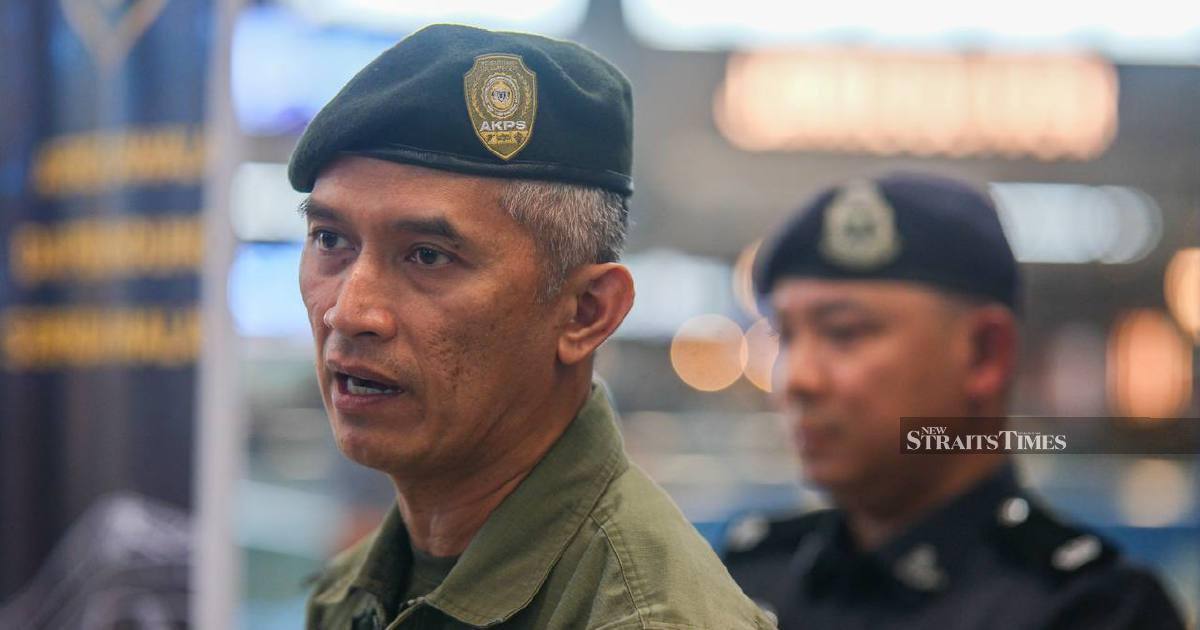
The Malaysia Border Control and Protection Agency (MCBA) has maintained an open investigation stance regarding the Malaysia Airlines pilot detained in Indonesia on drug smuggling allegations, declining to dismiss any theory including counter-setting tactics at this preliminary stage. Speaking to journalists at Sepang, agency officials indicated that comprehensive analysis of the case remains incomplete, and jumping to conclusions would be premature while the facts are still being gathered and verified.
Counter-setting operations represent a sophisticated criminal practice where established smuggling routes or known criminals are deliberately exposed to law enforcement while larger, parallel operations continue undetected. The technique is occasionally employed by trafficking networks to create the appearance of successful interdiction efforts, thereby reducing scrutiny on their primary channels. In Southeast Asia, such tactics have surfaced in various drug trafficking investigations, particularly involving regional narcotics syndicates operating across maritime boundaries. The involvement of aviation personnel adds complexity, as pilots possess legitimate access to international transit points and documented travel privileges that criminals exploit.
The MCBA's cautious approach reflects the intricate nature of cross-border criminal investigations. Malaysia and Indonesia maintain formal cooperation mechanisms for drug enforcement, yet investigations spanning both jurisdictions require careful coordination to avoid compromising either nation's legal proceedings. The pilot's arrest occurred within Indonesian territory, placing primary investigative authority with Indonesian authorities, while Malaysian agencies assess implications for domestic border security and aviation safety protocols. This jurisdictional reality necessitates restraint in public pronouncements until information flows back through official channels.
Malaysia's aviation sector faces particular vulnerability to drug trafficking exploitation. The country's status as a major regional hub, combined with Malaysia Airlines' extensive international network and the technical credentials required of pilots, creates attractive opportunities for criminal recruitment. Pilots enjoy streamlined customs procedures, reduced baggage scrutiny, and regular international deployments that inadvertently facilitate contraband movement. Previous cases involving airline personnel demonstrate that criminal networks actively target aviation workers, offering substantial financial incentives for relatively low-risk courier roles compared to ground-based smuggling methods.
The timing of this investigation coincides with intensified regional focus on transnational drug trafficking. The Association of Southeast Asian Nations has escalated drug enforcement cooperation, with member states sharing intelligence on trafficking patterns and modus operandi. A counter-setting scenario, if substantiated, would indicate sophisticated operational capacity within trafficking organisations—suggesting well-resourced networks capable of sacrificing individual operatives or shipments to protect larger enterprise infrastructure. Such findings would demand reassessment of border security priorities across the region.
Indonesia's role as the primary investigative authority positions it to determine initial findings, yet Malaysian authorities must independently verify any findings affecting their jurisdiction and citizens. The MCBA's statement reflects appropriate professional caution, avoiding speculation that could prejudice ongoing investigations or contaminate evidence through premature public theorising. Simultaneously, the agency's refusal to dismiss counter-setting indicates they are pursuing investigation threads that suggest this possibility merits serious examination rather than dismissal.
For Malaysia Airlines and the broader aviation industry, this case underscores vulnerability to personnel exploitation. Airlines have implemented enhanced vetting procedures and monitoring systems in recent years, yet criminal networks continually adapt recruitment strategies. The involvement of a commercial pilot—a position requiring extensive background checks and security clearance—demonstrates that robust hiring practices alone cannot eliminate infiltration risk when financial incentives prove sufficiently compelling.
The investigation's outcome carries implications extending beyond individual criminal liability. Should counter-setting be confirmed, it would validate concerns about the sophistication and reach of trafficking networks operating across Southeast Asia. Conversely, if investigation concludes the arrest represents a straightforward smuggling operation, it would reassure authorities that current intelligence and interdiction methods remain effective. Either conclusion influences resource allocation and strategic planning for border agencies across the region.
Malaysian law enforcement agencies have indicated they await further developments from Indonesian counterparts before issuing definitive assessments. This approach acknowledges Indonesia's investigative primacy while reserving Malaysia's right to launch parallel inquiries should evidence suggest domestic implications. The measured tone of official statements reflects diplomatic protocol and investigative best practice, prioritising factual accuracy over rapid public reassurance.
The case also highlights broader challenges in aviation security governance. Pilots, despite their trusted professional status, remain subject to personal financial pressures, debt, or coercion that might motivate criminal participation. Aviation security protocols increasingly focus on cargo screening and passenger vetting, yet personnel security requires sustained attention and resources. Intelligence sharing between Malaysia's civil aviation authority and law enforcement has been strengthened following past cases, yet gaps likely remain in monitoring systems designed to detect behavioural indicators of criminal involvement among flight crew.

