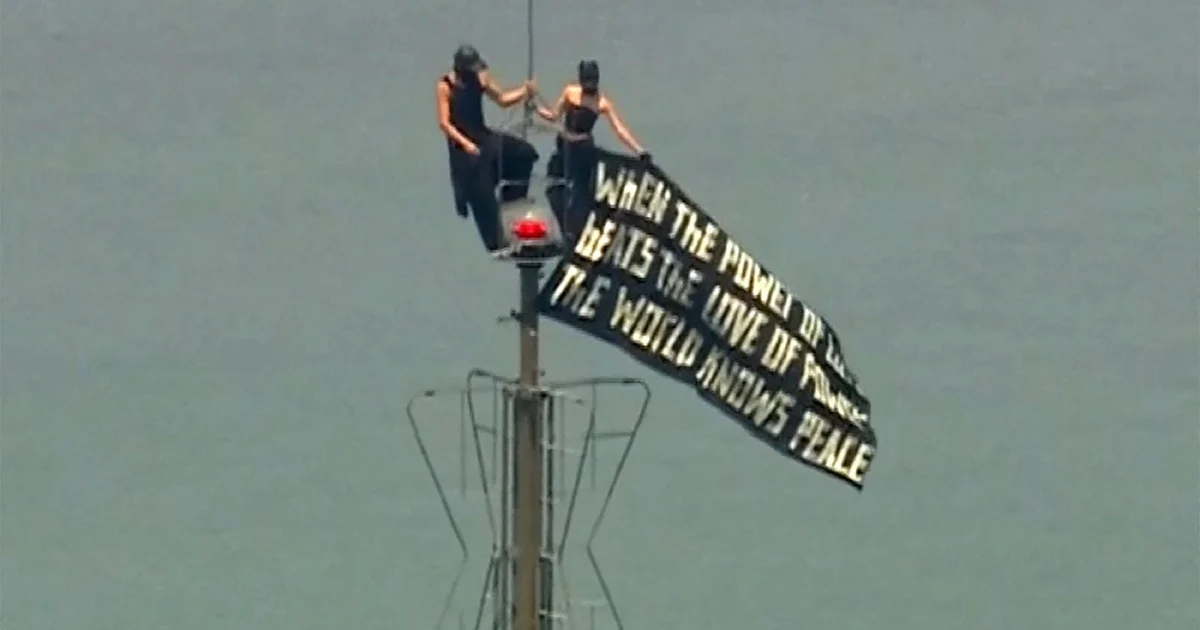
Two people found themselves in police custody on Wednesday following an unauthorized ascent of the Empire State Building's antenna in New York City, an incident that appeared to coincide with an engagement celebration at one of the world's most recognizable landmarks. The climb, undertaken in broad daylight from the top of the already towering structure, drew immediate attention from building security and law enforcement authorities, leading to swift intervention and arrests at the scene.
The Empire State Building has long held a place in global popular culture and imagination as a symbol of New York ambition and achievement. Standing at 380 metres to its roof, with the antenna extending considerably higher, the building attracts approximately four million visitors annually who take elevators to designated observation decks. The structure's prominence in romantic storytelling—from classic films to modern engagements—makes it a destination for couples seeking memorable moments, yet unauthorized climbing poses serious safety hazards and regulatory violations.
Climbing on the exterior of the building or its components is strictly prohibited under New York City law and the building's operational guidelines. The stunt raised immediate concerns about personal safety, as any misstep at such extreme heights could result in fatal consequences. Additionally, such unauthorized access disrupts building operations and requires diversion of security resources to address the breach. The antenna itself, essential to the building's broadcasting functions, is particularly sensitive infrastructure that authorities treat with heightened protective measures.
The apparent proposal element of this incident reflects a broader trend in which couples stage increasingly elaborate and attention-grabbing engagement moments, often documented for social media sharing. While romantic gestures have always existed, the viral nature of online platforms has incentivized some individuals to undertake riskier scenarios to capture unique moments. This social media dimension complicates the decision-making process for would-be proposers who may underestimate legal and safety ramifications in pursuit of creating shareable content.
For Malaysian and Southeast Asian observers, this incident illustrates how criminal law enforcement in major international cities responds swiftly to trespassing and safety violations, regardless of romantic intentions. The United States, like most jurisdictions, does not provide legal exemption for unlawful acts motivated by romantic purposes. Individuals planning travel to New York or other global destinations should familiarize themselves with local regulations regarding property access and permitted activities, as legal consequences can substantially impact their international mobility and future opportunities.
The Empire State Building's management has indicated heightened security measures remain in effect to prevent similar unauthorized access. The facility has experienced previous security breaches and climbing attempts, each prompting incremental improvements to surveillance systems and barrier installations. Building operators must balance accessibility for legitimate visitors with robust protection of restricted areas, a challenge amplified by the structure's iconic status and worldwide visibility.
Authorities did not immediately release detailed information regarding the specific charges or the individuals involved. However, typical charges in such cases include trespassing, reckless endangerment, and potentially interfering with building security systems. Prosecutors typically pursue such matters seriously given the public safety implications and the need to deter copycat incidents. The legal process for these individuals could extend over months, involving court appearances and potential penalties including fines and incarceration.
From a broader perspective, this incident highlights the ongoing tension between individual expression, romantic aspiration, and public safety frameworks in densely urban environments. New York City, as a major international hub, establishes and enforces standards that influence global expectations regarding what constitutes acceptable public behavior. The swift police response and arrest protocols send a clear message that romantic motivation does not override legal compliance requirements.
For travelers planning to visit iconic American landmarks, understanding the distinction between designated viewing areas and restricted zones proves essential. The Empire State Building offers official viewing decks and photography opportunities specifically designed for public access, providing legitimate ways to celebrate special occasions at the location. These designated spaces balance the romantic appeal of high-altitude settings with appropriate safety infrastructure and legal authorization.
The incident also carries implications for wedding and events industry professionals in Malaysia and the region who counsel couples on celebration planning. Advising clients to work through official channels—whether securing private event space at the Empire State Building or selecting other appropriately licensed venues—becomes increasingly important as unauthorized stunt culture proliferates. Professional event coordination ensures that memorable moments do not result in legal jeopardy or physical danger to the individuals involved.
Moving forward, the Empire State Building likely will implement additional access controls and monitoring protocols to address identified vulnerabilities. Such security enhancements, while necessary for visitor safety and asset protection, may somewhat alter the experience for legitimate tourists. The building's operators must continuously adapt their security posture as individuals devise novel approaches to breach established barriers.
Ultimately, this New York incident underscores a fundamental principle applicable across jurisdictions: romantic intentions, however sincere or elaborate, do not supersede legal boundaries or safety regulations. Couples celebrating major life milestones should consider that the most meaningful proposals are those that do not result in arrest or endanger the participants involved. For international travelers, particularly those from Southeast Asia visiting major American cities, understanding and respecting local laws protecting public safety and private property remains a non-negotiable prerequisite for positive travel experiences.

