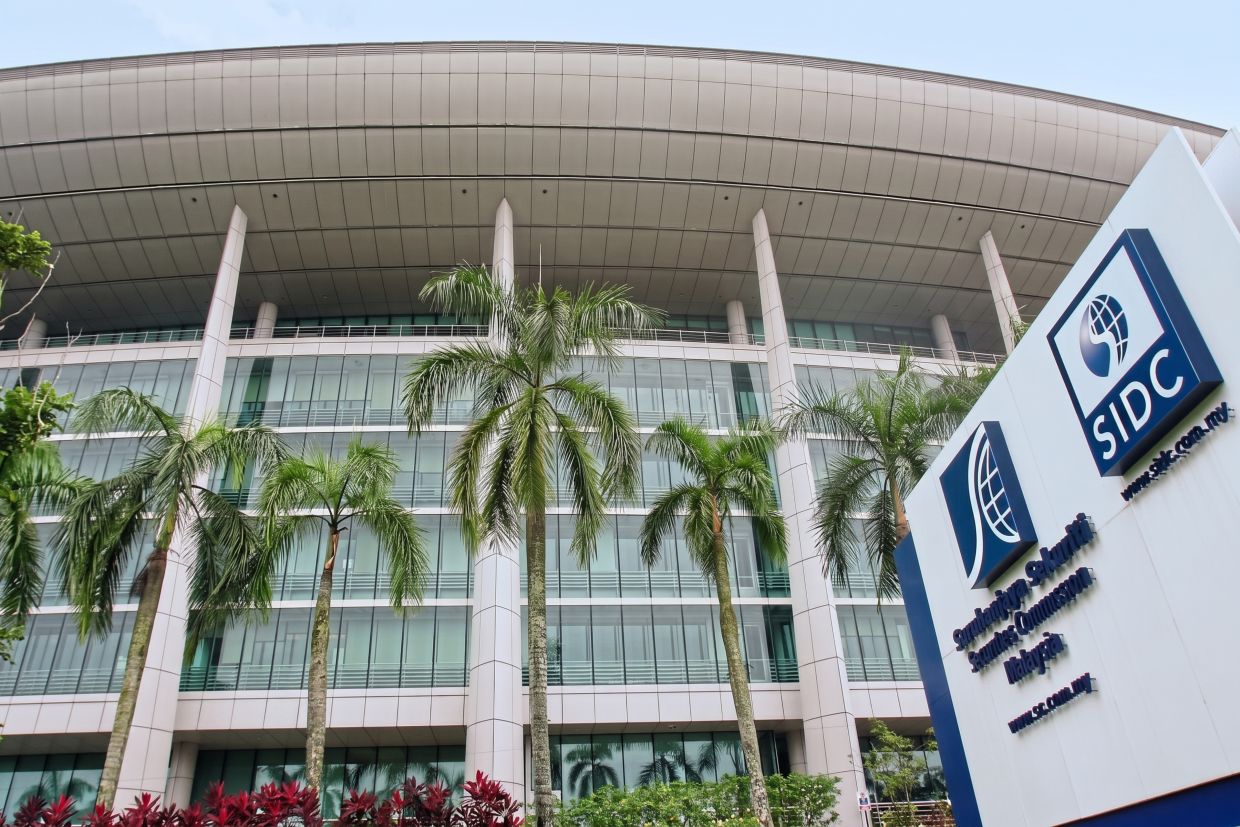
Malaysia's appellate courts have delivered a decisive ruling on a long-running insider trading case, with the Court of Appeal unanimously confirming the High Court's 2022 conviction of two corporate figures for breaching capital markets legislation. The decision represents a significant enforcement victory for the Securities Commission Malaysia, which brought the original civil action against Goh Chin Liong, formerly deputy managing director of WCT Bhd, and Leong Ah Chai, a director at Ara Holdings Sdn Bhd. Both the appellate and trial courts found the defendants liable for misconduct under the Capital Markets and Services Act 2007.
The appellate judges rejected both defendants' appeals without identifying any legal error worthy of intervention, dismissing the cases with costs of RM100,000 imposed against each appellant. In doing so, the Court of Appeal affirmed the full scope of the High Court's original judgment, which had imposed substantial financial penalties against the pair. The ruling underscores the judiciary's commitment to policing securities market violations and demonstrates that appeals of this nature face a high threshold when challenging findings made after full trial proceedings.
Financial consequences flowing from the judgment remain substantial. Each defendant was ordered to disgorge RM2.5 million representing losses they avoided through their unlawful conduct, alongside civil penalties of RM300,000 per person. The Securities Commission was additionally awarded costs of RM75,000, cementing the financial burden on the appellants. Combined, these measures reflect the courts' determination that insider trading carries tangible consequences designed to deter similar breaches and compensate the regulator for enforcement expenditure.
The underlying misconduct involved the misuse of material non-public information concerning a Dubai-based construction contract. Goh, in his capacity at WCT, had access to confidential information regarding the cancellation of a planned racecourse development in the United Arab Emirates. The contract had been awarded to a joint venture partnership between WCT and the international construction firm Arabtec Construction LLC. Rather than maintaining the confidentiality expected of senior corporate executives, Goh communicated this price-sensitive information to Leong, breaching fundamental duties owed to the company and its shareholders.
Leong exploited this privileged knowledge by liquidating a substantial shareholding in WCT, disposing of 1.64 million shares held in an Ara Holdings trading account during the opening days of January 2009. The timing and scale of this share sale suggested clear knowledge of impending negative information likely to depress the stock's market value. The High Court, after evaluating the full evidentiary record presented at trial, determined that this sequence of events constituted unlawful insider dealing under the relevant statutory provisions, and the appellate bench found no basis to disturb that factual finding.
The Securities Commission first initiated legal proceedings against the defendants in 2015, nearly six years after the alleged trading activity occurred. The protracted timeline reflects the complexity of insider trading investigations, which typically require detailed examination of trading records, communications, corporate documents, and market data to establish the necessary elements of breach. The fact that the regulator ultimately succeeded after this extended process demonstrates institutional persistence in pursuing market integrity concerns even where cases require substantial investigative and litigation resources.
Recent developments have also enhanced the Commission's ability to enforce the judgment. In May 2026, the High Court granted the regulator's appeal to reinstate garnishee orders against both defendants, effectively enabling the Securities Commission to pursue debt recovery mechanisms against their assets. These orders represent a critical enforcement tool, allowing the regulator to intercept funds or property before they transfer beyond reach. With the appellate judgment now finalized, the Commission has signaled its intention to immediately proceed with these recovery procedures to collect the full RM5.83 million judgment sum.
The case carries broader implications for Malaysia's capital markets and investor protection frameworks. Insider trading represents one of the most corrosive forms of market misconduct because it fundamentally undermines the concept of fair dealing. When corporate insiders exploit confidential information for personal gain, it creates asymmetrical trading conditions where ordinary investors operate at a severe informational disadvantage. Such disparities erode public confidence in market integrity and can discourage broader participation in the equity market among retail investors who fear that the game is systematically rigged against them.
The Securities Commission's enforcement philosophy, as reflected in its public statements regarding this matter, treats insider trading as a serious violation warranting meaningful consequences. The regulator has emphasized that market integrity depends upon swift and credible enforcement action that demonstrates misconduct will not be tolerated. This approach aligns with international best practices, as securities regulators globally recognize that robust enforcement of insider trading prohibitions serves as a necessary deterrent and preserves the integrity mechanisms that allow capital markets to function efficiently.
For Malaysian corporate practitioners and compliance professionals, the judgment reaffirms longstanding legal principles while reinforcing practical enforcement realities. Corporate officers and directors remain subject to strict liability regarding the handling of material non-public information, and informal communications with third parties can constitute actionable breaches. The extended timeline and substantial penalties in this case underscore that regulatory investigations pursue aggressively and that enforcement mechanisms extend across multiple procedural stages, including garnishee proceedings. Companies should ensure that information barriers remain robust and that personnel understand confidentiality obligations before accessing sensitive information.
Looking forward, the Securities Commission's commitment to pursue additional enforcement actions reflects a regulatory environment where market participants cannot assume that breaches will escape detection or consequence. The regulator's capacity to recover judgment sums through garnishee procedures means that even successful business activities subsequent to misconduct may be subject to asset recovery claims. This heightened enforcement posture should prompt financial institutions and trading firms to strengthen compliance frameworks, particularly regarding information access controls and the documentation of decision-making processes that could later be scrutinized during regulatory investigations.

