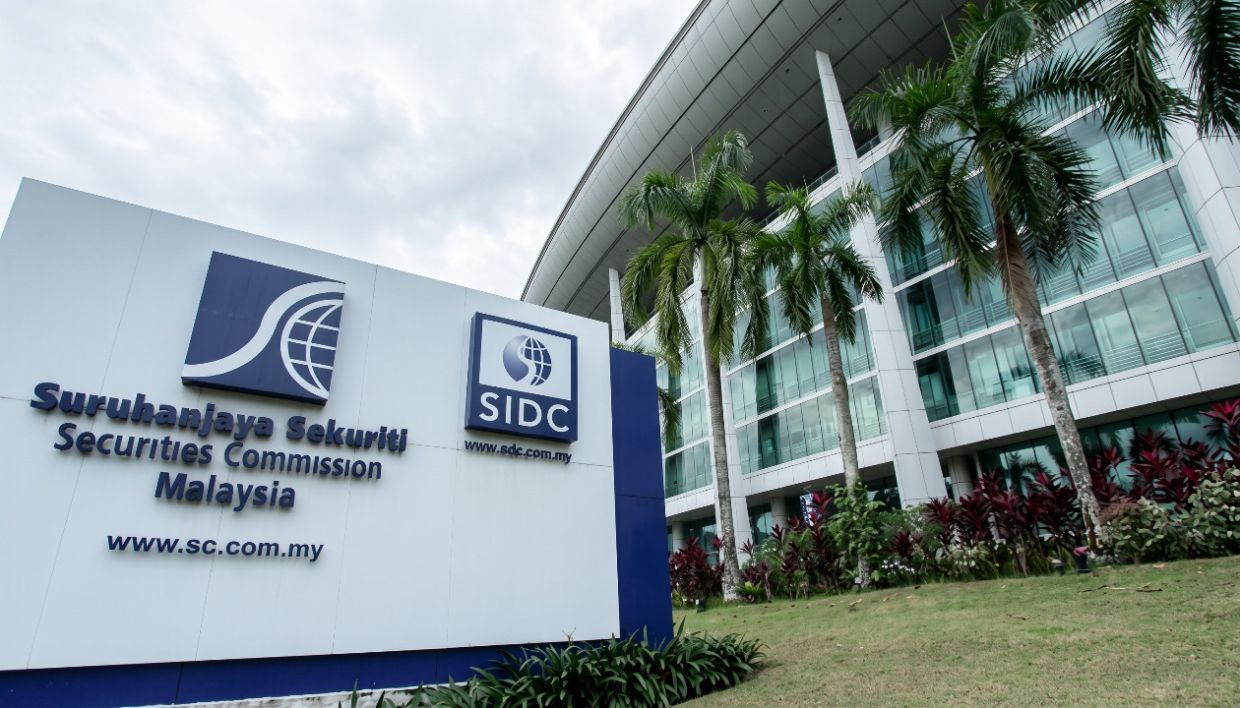
The Malaysian Court of Appeal has decisively upheld a freezing order on assets worth RM169.2 million belonging to Ricky Wong, his company Wong SK Holdings Sdn Bhd, and associate Teh Sew Wan. The appellate bench, comprising Justices Datuk Ravinthran N. Paramaguru, Datuk Dr Choo Kah Sing and Datuk Leonard David Shim, rejected all attempts by the respondents to overturn the earlier High Court decisions and ordered them to pay RM200,000 in costs to the Securities Commission Malaysia (SC).
The freeze has a lengthy history rooted in regulatory enforcement action. The SC initially obtained an ex parte injunction from the High Court on May 8, 2020, prohibiting dealings with the frozen assets. Subsequently, on April 28, 2022, the High Court converted this into an inter partes injunction following a full hearing, which created a more substantive barrier to asset movement while civil proceedings continued. The appellants' decision to challenge these orders through the Court of Appeal represented a final attempt to unlock the seized properties and funds before trial.
The underlying civil case stems from alleged violations of the Capital Markets and Services Act 2007, with the SC accusing Wong and his associates of securities fraud under Section 179 of the legislation. The regulator initiated legal proceedings in 2020, and the matter remains actively litigated at the Kuala Lumpur High Court. The trial is scheduled to resume on September 1, 2026, indicating that resolution remains years away despite the asset freeze already having been in place for several years.
For Malaysian investors and the financial services industry, this decision reinforces the SC's power to immobilise assets during the investigation and litigation of complex financial crimes. The appellate court's refusal to interfere with the freeze demonstrates judicial confidence in the regulator's handling of the case and sends a strong signal that temporary asset lockdowns—even spanning multiple years—will be upheld when supporting civil enforcement actions. This strengthens the SC's enforcement toolkit at a time when regulators across Southeast Asia are intensifying scrutiny of white-collar financial misconduct.
The court order prohibits not only the named respondents from dealing with the frozen assets, but extends protection to prevent third parties from knowingly facilitating any transactions involving the properties or funds. This comprehensive language aims to close loopholes that sophisticated actors might otherwise exploit, such as transferring ownership through intermediaries or nominees. The breadth of the injunction reflects judicial concern that Wong and his associates might attempt to conceal or dissipate assets to frustrate potential civil recovery.
Particularly noteworthy is the SC's disclosure that Wong remains at large and is wanted for additional criminal charges. Beyond the civil securities fraud allegations, the fugitive businessman faces investigation under Malaysia's Anti-Money Laundering, Anti-Terrorism Financing and Proceeds of Unlawful Activities Act 2001. This dual track of civil asset freezing combined with criminal pursuit suggests the SC suspects money laundering or proceeds of crime offences—matters of grave concern to Malaysia's financial integrity and international standing. The regulator has publicly appealed for information on Wong's whereabouts, indicating he may have left Malaysian jurisdiction.
The legal representation in the case underscores its significance. The SC was represented by a combined team including external counsel Datuk Lim Chee Wee and his firm alongside in-house counsel Mohd Hafiz Mohd Yusoff and Loo Kit Ming Keith. Wong engaged the prominent defence lawyer Tan Sri Muhammad Shafee Abdullah, while Teh was represented by Tan Sri Cecil W. M. Abraham, both senior advocates with extensive experience in complex commercial and regulatory disputes. The calibre of counsel reflects the financial stakes and legal complexity involved.
From a Malaysian perspective, this case highlights evolving enforcement dynamics within the securities regulatory landscape. The SC has progressively adopted more aggressive postures in pursuing complex fraud allegations, moving beyond traditional administrative sanctions to seek court-ordered asset freezes and civil recovery. The sustained litigation—now extending to at least 2026—demonstrates the commitment required to pursue such cases through trial, though it also raises questions about resource allocation and case management within the judicial system.
The decision carries implications for Malaysia's regulatory reputation internationally. As a member of the Financial Action Task Force and subject to compliance review, Malaysia must demonstrate effective enforcement against financial crimes including securities fraud and money laundering. The successful appellate endorsement of asset freezing powers provides evidence of functional regulatory oversight, important for maintaining confidence among foreign investors and international financial partners wary of regulatory capture or weak enforcement.
Looking forward, the case will continue its glacial progression through trial proceedings for several years. During this extended period, the RM169.2 million will remain sequestered, unavailable to the respondents either for legitimate business purposes or potential transfer abroad. The freezing order thus performs both a protective function—preserving assets for potential civil recovery—and a deterrent effect, imposing significant costs on those accused of regulatory breaches. Whether the final trial judgment will award damages, disgorgement, or penalties against Wong and his associates remains uncertain, but the appellate court's Monday decision ensures that enforcement tools remain available to the SC throughout the litigation.
The case also reflects broader regional trends in enforcement. Across Southeast Asia, securities regulators have become increasingly sophisticated in deploying civil remedies including asset freezes, particularly when criminal enforcement proves slower or politically complex. Malaysia's SC appears aligned with this trend, utilising comprehensive injunctive relief to manage cases involving financial misconduct and suspected proceeds of crime.

