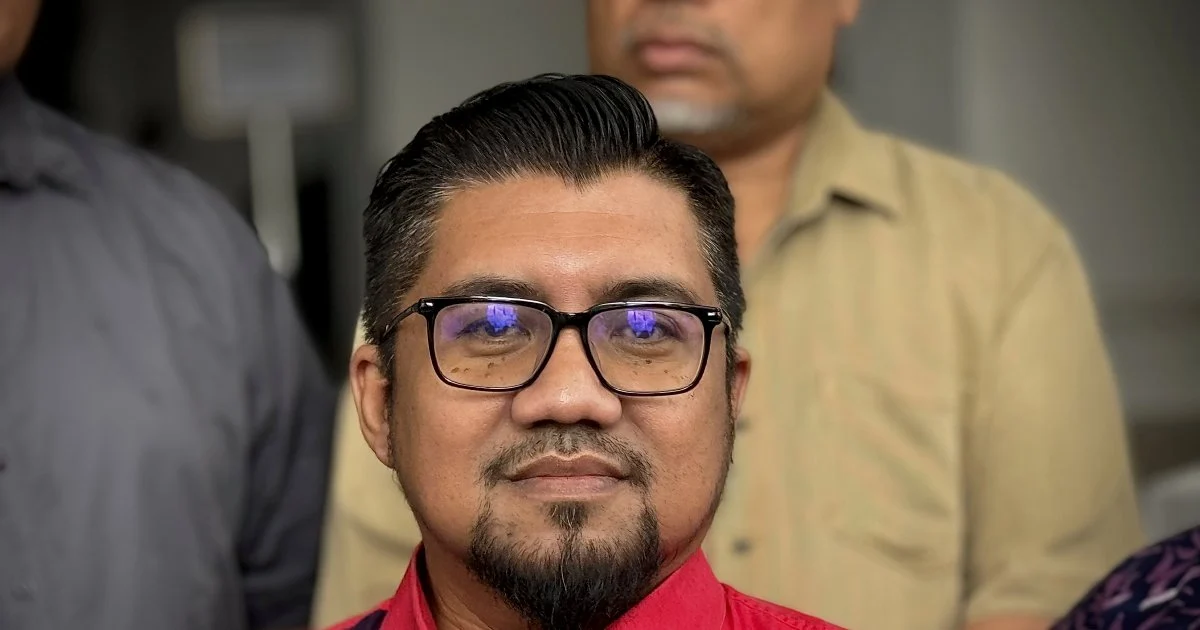
Political activist Badrul Hisham Shaharin, known publicly as Che'gu Bard, faces a significant legal setback after Malaysia's High Court reversed his earlier acquittal and compelled him to mount a defence against defamation charges related to His Majesty Sultan Ibrahim, the King of Malaysia. The ruling, delivered in Kuala Lumpur today, marks a pivotal moment in the case that has drawn attention to the intersection of political speech, royal dignity, and judicial interpretation in Malaysia's legal framework.
The defamation allegations centre on statements Shaharin made concerning what he claimed was a purported audience between the King and several political leaders approximately two years ago. The nature of these statements and their specific content remain central to the court's assessment of whether they constituted actionable defamation against the monarch. The reversal of the initial acquittal suggests the appellate bench found merit in arguments that the lower court's original dismissal of charges was flawed, whether procedurally or substantively.
This development carries implications beyond the individual case, as it demonstrates how Malaysian courts continue to grapple with the balance between freedom of expression and the protection of royal institutions enshrined in the Federal Constitution. Article 181 grants the Agong specific immunities and dignities, yet the scope of permissible political commentary about royal engagements and statements remains a contested legal terrain. The case illustrates the ongoing tension between citizens' rights to discuss public matters involving the monarchy and the legal safeguards surrounding the institution.
Shadrin's positioning as a prominent political activist means his legal struggles receive considerable public attention within Malaysian civil society circles. His previous acquittal had suggested one judicial avenue might exist for activists navigating these sensitive topics, but today's reversal narrows that pathway. The activist community will be watching closely how he mounts his defence and what arguments the court ultimately accepts regarding the distinction between legitimate political speech and defamatory statements.
The decision to order him into defence rather than dismiss the case outright indicates the court believes there remains a substantive case to answer. In defamation law, the burden typically shifts once the defendant enters his defence, requiring him to establish factual justification or other legal defences such as fair comment on matters of public interest. For Shaharin, demonstrating the truth of his statements or their status as protected political commentary will be crucial to his vindication.
Malaysia's approach to royal defamation cases has evolved considerably over recent decades, influenced by both constitutional interpretation and changing social attitudes toward political expression. While the monarchy remains a constitutionally protected institution deserving of respect, courts have occasionally recognised that discussion of royal actions and statements can constitute legitimate public interest commentary. However, the reversal of Shaharin's acquittal suggests the current judicial bench may be taking a stricter interpretive approach.
The implications for Malaysian political discourse are substantial. Activists and opposition figures already operate within a constrained environment shaped by various laws including the Sedition Act and now strengthened by judicial interpretations of defamation law. A conviction in Shaharin's case could further narrow the space for discussing the monarchy's political engagements, making it riskier for public figures to comment on alleged royal meetings with politicians. This chilling effect on speech must be weighed against legitimate concerns about protecting royal dignity and preventing malicious falsehoods.
Regionally, Malaysia's handling of such cases reflects patterns seen across Southeast Asian monarchies, where courts frequently balance democratic principles against reverence for the crown. Thailand's stricter lèse-majesté laws stand at one end of the spectrum, while other democracies permit more robust debate about royal matters. Malaysia's position, defined through cases like this one, continues to be refined through judicial decision-making rather than legislative clarity, creating uncertainty for potential speakers.
The High Court's decision to reverse the acquittal does not determine the ultimate outcome; rather, it sends the matter back for substantive adjudication of the defamation allegations. Shaharin now bears the considerable burden of defending his statements before a court that has already signalled scepticism about his initial acquittal. The strength of evidence regarding whether his statements were factually accurate, made in good faith, or protected by public interest considerations will determine whether he can successfully defend himself against the charge.
The broader question facing Malaysian society involves determining appropriate boundaries for discussing the monarchy's role in political matters. When the King meets with political leaders, these remain acts undertaken by a constitutional monarch engaged in governance. Whether citizens and activists should enjoy protected space to report, comment upon, and analyse such engagements remains contested legal and social terrain. Today's ruling suggests courts may be increasingly protective of the monarchy against such scrutiny.
For civil society observers tracking judicial independence and democratic health in Malaysia, the case raises important questions about whether courts are maintaining appropriate balance or whether protective attitudes toward the monarchy are constraining legitimate political expression. The coming weeks will see whether Shaharin can successfully mount a convincing defence or whether this case will become a cautionary tale about the risks of publicly discussing royal political engagements.

