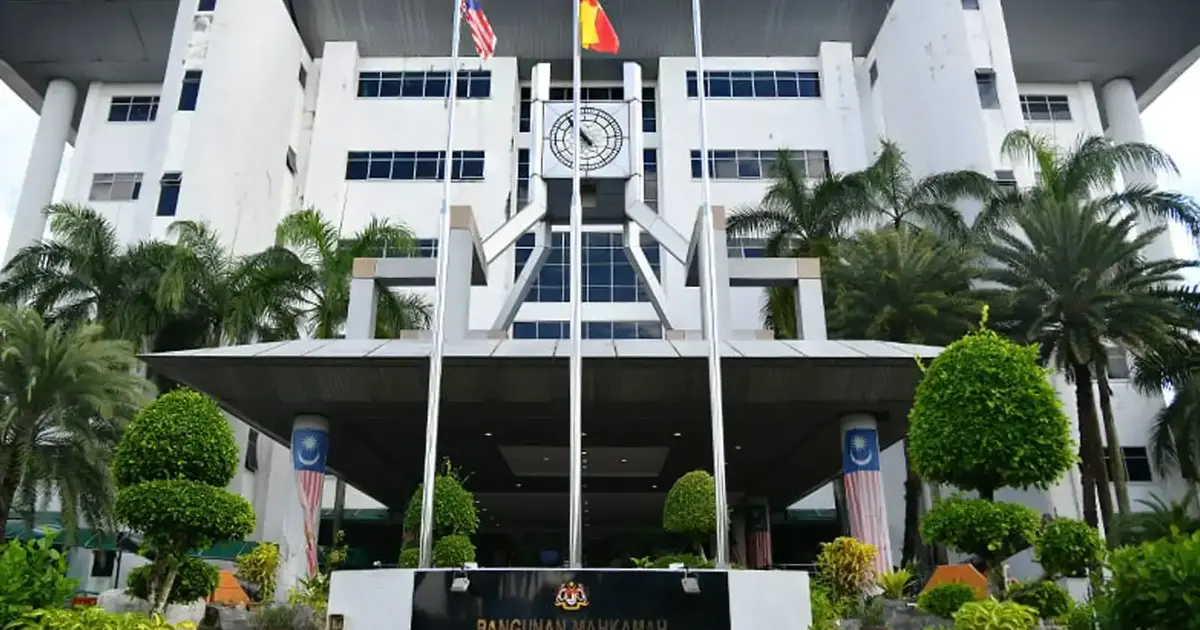
Judicial Commissioner Asmah Musa has delivered a significant ruling on the limits of judicial intervention in prosecutorial matters, determining that Malaysia's courts are not the appropriate venue for citizens to contest the attorney-general's decision to initiate criminal proceedings against them. The pronouncement clarifies fundamental principles about the separation of powers and the degree to which the judiciary can supervise the executive's law enforcement functions.
The ruling addresses a persistent tension within the Malaysian legal system: the extent to which individuals possess remedies when they believe prosecutorial decisions are unjust, politically motivated, or procedurally flawed. By establishing that civil suits cannot serve as a mechanism to challenge such decisions, Judicial Commissioner Asmah has reinforced the traditional doctrine that prosecutorial discretion operates largely beyond the reach of ordinary court review. This principle reflects longstanding common law tradition, inherited from the British legal system that Malaysia's constitutional framework is based upon.
The attorney-general occupies a unique constitutional position within Malaysia's governance structure, functioning simultaneously as the chief legal officer of the government and the principal decision-maker in criminal prosecutions. This dual role has historically generated considerable discretion, as the constitutional text explicitly vests prosecution authority in the attorney-general without imposing detailed procedural constraints. The judicial commissioner's decision respects this constitutional allocation of power while implicitly acknowledging that other mechanisms—such as parliamentary oversight, political accountability, and internal administrative procedures—represent the intended forums for addressing prosecutorial concerns.
For Malaysian citizens and residents, the ruling carries significant implications regarding what avenues remain available when facing criminal charges. While civil courts cannot be employed to halt or challenge the prosecution itself, individuals retain the right to contest charges through criminal defences and trial procedures. The distinction proves crucial: courts will hear arguments about evidence quality, procedure compliance, and guilt determination during criminal proceedings, but they will not entertain separate civil actions designed specifically to prevent or reverse the prosecutorial decision.
This judicial stance aligns with comparable jurisdictions across the Commonwealth, where prosecutorial independence has traditionally been shielded from ordinary judicial review. The reasoning reflects a policy judgment that allowing courts to second-guess prosecutors would undermine executive authority and create perverse incentives for defendants to litigate prosecutorial decisions rather than defending charges on their merits. Judicial Commissioner Asmah's language suggests concern that permitting such challenges would fundamentally alter the institutional balance and encourage frivolous applications.
However, the ruling does not suggest absolute immunity from all legal consequences for prosecutorial decisions. Malaysian law recognises limited grounds for judicial review of executive action, including cases involving fundamental breaches of natural justice, manifest irrationality, or decisions made beyond legal authority. The judgment appears calibrated to preclude routine civil suits challenging prosecutorial wisdom while potentially preserving space for exceptional circumstances involving egregious procedural violations or ultra vires action.
The practical effect of this decision extends beyond individual cases to shape the broader prosecutorial landscape. It reinforces that the attorney-general's prosecutorial choices—including decisions about whom to charge, which offences to prosecute, and what evidence to present—operate within a zone of administrative discretion that courts will generally not supervise. This approach theoretically permits consistent law enforcement without constant judicial interference, though critics might worry it creates insufficient accountability mechanisms for potential prosecutorial abuse.
For Southeast Asian legal observers, the ruling provides instructive precedent regarding how mature common law systems balance prosecutorial independence against rule-of-law concerns. Malaysia's approach reflects confidence in constitutional constraints, professional standards within the attorney-general's office, and the internal checks that emerge from prosecution within an adversarial system. The decision implicitly trusts that criminal trials themselves provide adequate opportunity to expose problematic prosecutorial decisions through defence advocacy and judicial scrutiny of evidence and procedure.
The timing of Judicial Commissioner Asmah's pronouncement carries significance within Malaysia's current political context, where questions about prosecutorial discretion have occasionally surfaced in public discourse. The ruling establishes clear legal boundaries that both constrain judicial activism and protect prosecutorial independence from what the commissioner evidently views as impermissible collateral attacks. This crystallisation of doctrine provides certainty to potential applicants about the futility of pursuing such civil remedies.
Moving forward, individuals dissatisfied with prosecutorial decisions must pursue alternative mechanisms: they may seek internal review through the attorney-general's office, engage in legitimate advocacy and political participation regarding enforcement priorities, or mount vigorous criminal defences when charges proceed. The court system, according to the judicial commissioner's reasoning, appropriately reserves its supervisory powers for reviewing the lawfulness of criminal proceedings themselves rather than the antecedent decision to prosecute.
The judgment ultimately reflects a constitutional philosophy regarding institutional competence and legitimacy. By declining to position courts as arbiters of prosecutorial discretion, Judicial Commissioner Asmah has endorsed a model where prosecutorial decisions remain accountable through political channels and professional standards rather than through civil litigation. Whether this approach adequately protects against prosecutorial overreach in particular cases remains a matter of ongoing debate within Malaysia's legal and political communities.

