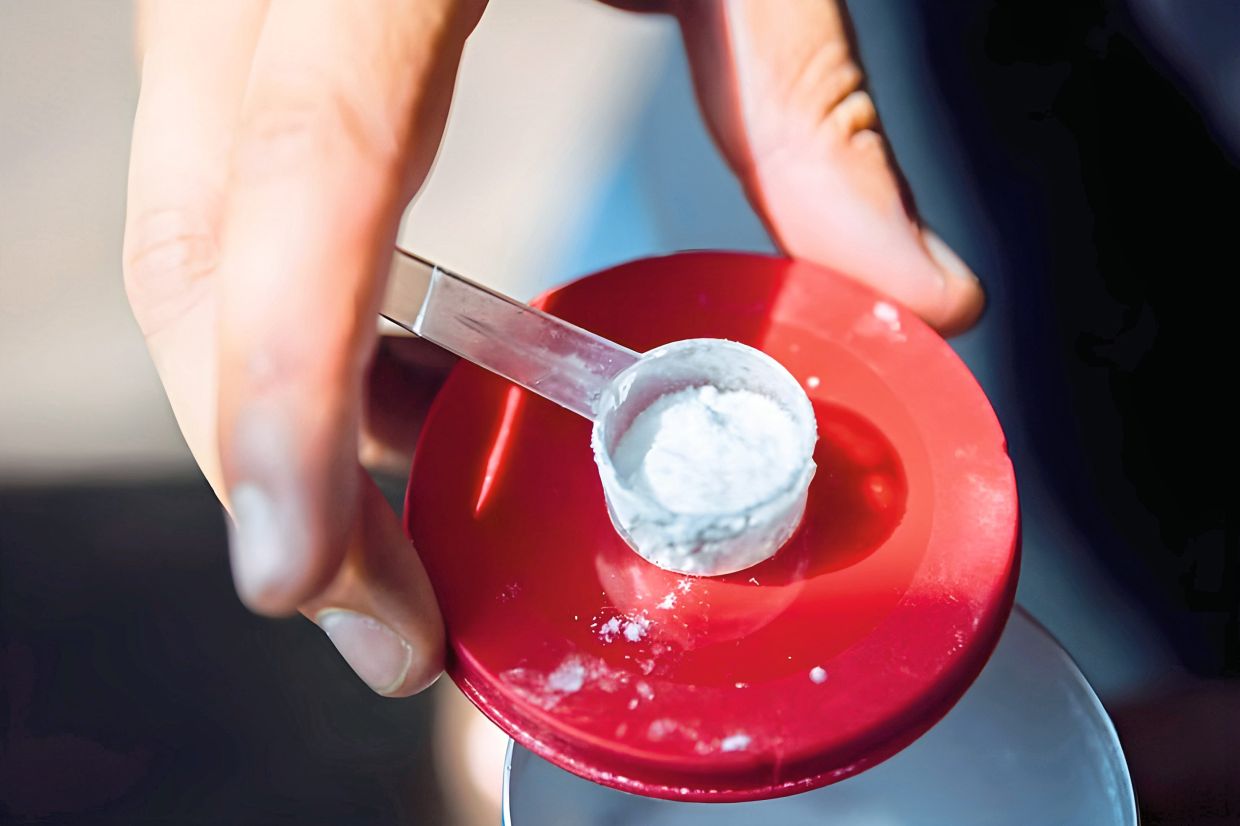
The persistent belief that creatine causes hair loss has haunted fitness enthusiasts and athletes across the world for more than fifteen years, despite limited scientific justification. This rumour has influenced countless decisions about supplementation, particularly among younger men concerned about maintaining their appearance while pursuing muscle gains. A landmark 2025 randomised controlled trial now provides definitive evidence that the concern is unfounded, offering reassurance to those who have avoided this widely-used supplement based on fear rather than fact.
The origin of this anxiety traces to a single 2009 study that has since been vastly misinterpreted. Researchers examining a group of rugby players found that creatine supplementation appeared to increase the conversion of testosterone into dihydrotestosterone, or DHT. The study's authors cautiously noted this finding warranted further investigation given the supplement's widespread adoption, but critically, they never actually measured whether hair loss occurred, and none of the participating players reported any hair thinning whatsoever. Because DHT is scientifically linked to androgenetic pattern baldness, media coverage and gym gossip transformed a speculative biochemical observation into a definitive health warning that persisted largely unchallenged for over a decade.
The new research published in 2025 directly addresses what the 2009 study left unanswered. Scientists recruited forty-five resistance-trained men aged between eighteen and forty, randomly assigning them to receive either five grams of creatine monohydrate daily or an identical-looking placebo of maltodextrin. Participants maintained their regular diet and exercise routines throughout the twelve-week study period, ensuring that any observed changes would reflect the supplement's isolated effects rather than lifestyle modifications.
The methodology employed cutting-edge diagnostic tools to comprehensively assess hormonal and hair health. Blood samples collected at the beginning and end of the trial measured total testosterone, free testosterone, and DHT concentrations. Hair follicle status was evaluated using the Trichogram test and FotoFinder system, sophisticated imaging technology that captures hair density, follicular unit count, and cumulative hair thickness with precision far exceeding visual inspection. Thirty-eight participants successfully completed the full protocol, providing a robust dataset for analysis.
The findings were unambiguous. Researchers detected no meaningful differences in DHT levels, the ratio of DHT to testosterone, or any measurable indicator of hair growth between participants taking creatine and those receiving placebo. The authors characterised their work as the first study to directly evaluate hair follicle health following creatine supplementation, describing their results as providing strong evidence that creatine does not contribute to hair loss. This represents a watershed moment in supplement science, finally putting to rest a claim that has discouraged millions from using a substance with extensive safety documentation.
Expert opinion now converges on the supplement's safety profile. Jose Antonio, an exercise physiologist at Nova Southeastern University in Florida, remarked that no other food or dietary supplement possesses as comprehensive a body of supportive research. This observation is particularly significant for Southeast Asian readers, where supplement use among gym enthusiasts and athletes has surged dramatically over the past decade, often accompanied by the same hair loss concerns that have circulated globally.
Medical professionals recommend a straightforward approach for anyone harbouring lingering doubts. Kate Patton, a registered dietitian at Cleveland Clinic, suggests discussing concerns with a primary care doctor or endocrinologist before beginning supplementation, particularly for those with family histories of hair loss or hormonal sensitivities. However, she emphasises that no conclusive evidence supports either the testosterone-elevation claim or the hair-loss connection that anxious athletes have worried about for years.
For those ready to start supplementation, nutritional experts offer practical guidance grounded in real experience. Carolyn Brown, a nutrition counsellor at Indigo Wellness Group, notes that initial weight gain of two to four pounds typically reflects water retention rather than fat accumulation, a normal physiological response that disappears once supplementation ends. She advocates for consistency in supplement selection, recommending creatine monohydrate as the preferred form due to its extensive research backing and proven effectiveness.
Timing and complementary habits significantly influence whether creatine delivers expected results. Paul Greenhaff, a professor of muscle metabolism at the University of Nottingham, emphasises that the supplement functions optimally only when paired with consistent resistance training. Creatine contains no calories and exerts no effect on fat metabolism, meaning supplementation without exercise provides no benefit whatsoever. This practical constraint remains crucial for Malaysian athletes and fitness enthusiasts to understand, as the supplement represents an enhancement to training rather than a standalone intervention.
Dr Jason Mitchell, executive vice president and chief medical officer at Geisinger healthcare organisation, positions creatine among the rare supplements that genuinely live up to their reputations. He characterises it as exceptionally safe and extensively researched, particularly compared to numerous other substances marketed to fitness enthusiasts with far less rigorous study. His assessment reflects a medical consensus that has solidified considerably following the 2025 trial.
The implications for Malaysian and Southeast Asian fitness communities are substantial. As supplement use has proliferated throughout the region, the hair loss rumour has discouraged substantial numbers of people from using one of the most effective and well-documented performance-enhancing substances available. The new evidence removes this barrier, allowing evidence-based decision-making to replace fear-based hesitation. For competitive athletes, recreational gym-goers, and anyone considering supplementation to support their training, the science now unambiguously supports the safety of creatine supplementation when used as directed.
Moving forward, this research exemplifies how persistent myths can cloud supplement conversations, and why direct scientific investigation ultimately supersedes speculation and misinterpretation. The fifteen-year gap between the initial 2009 study and definitive refutation represents a cautionary tale about how scientific findings can become distorted through repetition and incomplete understanding. For anyone previously deterred from creatine supplementation by hair loss concerns, the evidence now permits a recalibration of risk-benefit analysis based on solid science rather than rumour.

