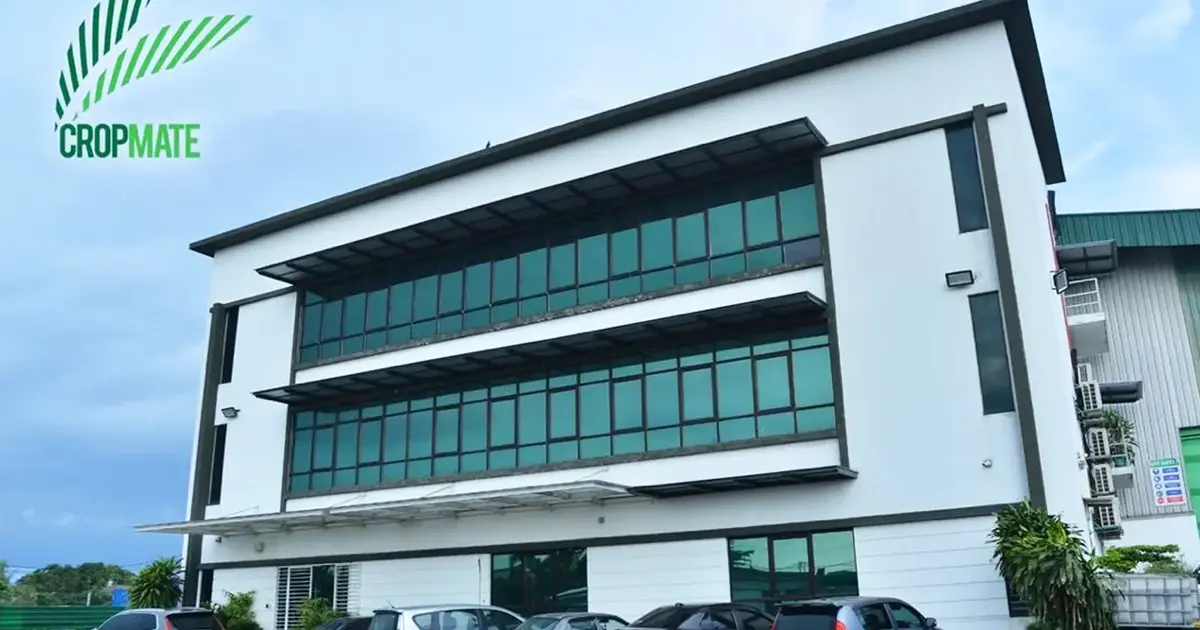
Cropmate, a fertiliser manufacturer operating in Malaysia, has announced that authorities have released frozen bank accounts belonging to the company, signalling the resolution or easing of financial constraints that had hampered its operations. The development represents a significant reprieve for the firm, which had faced liquidity challenges stemming from the account freezes.
The company issued a statement clarifying its position regarding personnel matters, emphasising that no employees across any level of the organisation—from operational staff through to the board of directors—have been subject to arrest or formal criminal charges. This clarification appears designed to reassure stakeholders, including customers, suppliers, and investors, that the company's leadership structure remains intact and that no individuals face legal jeopardy.
The frozen accounts had created operational difficulties for Cropmate, potentially disrupting its ability to conduct routine business transactions, pay suppliers, and meet payroll obligations. The release of these funds restores financial flexibility to the organisation, allowing management to resume normal commercial activities and meet outstanding commitments. For a fertiliser manufacturer dependent on regular supply chain operations and working capital management, such freezes can severely constrain production and delivery schedules.
Fertiliser companies in Malaysia operate within a competitive landscape influenced by seasonal demand patterns, commodity price volatility, and regulatory compliance frameworks. Cropmate's situation highlights the vulnerabilities that even established businesses face when subject to financial investigations or regulatory scrutiny. The agricultural input sector is critical to Malaysia's food security strategy, making the operational continuity of fertiliser suppliers relevant to broader economic interests.
The timing of such account freezes typically corresponds with regulatory investigations, often conducted by authorities examining financial transactions, tax compliance, or potential misconduct. The resolution of Cropmate's situation suggests that investigators either completed their examination without finding actionable evidence against the company or its personnel, or that procedural requirements have been satisfied. Without formal charges against employees or directors, the legal cloud surrounding the firm has effectively dissipated.
For Malaysian businesses, such incidents serve as reminders of the importance of maintaining transparent financial records and compliance with regulatory requirements. The fertiliser sector, like other essential commodity industries, faces heightened scrutiny from multiple regulatory bodies overseeing environmental impact, labour practices, and financial integrity. Cropmate's experience underscores how quickly financial operations can be disrupted by official investigations, even when ultimately no charges materialise.
The agricultural sector relies heavily on input suppliers like Cropmate to maintain productivity and output levels. Farmers dependent on reliable fertiliser supply chains would have been concerned during the period of account freezes, as disruptions could affect planting schedules and crop yields. The release of funds mitigates these risks and allows the company to resume serving its customer base without interruption.
Cropmate's explicit statement regarding the absence of arrests or charges serves an important public relations function, distinguishing between financial investigation procedures and actual criminal liability. This distinction matters significantly for stakeholder confidence, as investigations alone do not indicate wrongdoing. The company's communications strategy appears focused on restoring confidence among suppliers and customers who may have questioned whether regulatory action signalled deeper problems within the organisation.
The fertiliser industry in Southeast Asia has witnessed various regulatory actions in recent years, reflecting governments' efforts to ensure sector transparency and compliance. Malaysia's fertiliser market, serving both domestic agriculture and export-oriented agribusiness, requires reliable suppliers capable of meeting consistent demand. Cropmate's restoration to normal operating status therefore has minor implications for the broader agricultural supply ecosystem.
Moving forward, the company will likely seek to rebuild operational momentum and customer relationships that may have been strained during the period of financial constraint. Suppliers may require reassurance regarding payment reliability, while customers may have sought alternative sources during the disruption. The release of frozen accounts provides Cropmate with the financial capacity to address these concerns and demonstrate renewed stability.
For the wider Malaysian business community, Cropmate's situation illustrates the importance of proactive regulatory engagement and transparent governance. Companies that maintain robust compliance frameworks and clear financial documentation can navigate investigative processes more effectively. The resolution of account freezes without subsequent criminal charges suggests that proper documentation and cooperative engagement with authorities can lead to expedited resolution of such matters.
The company's statement represents a turning point for its operational trajectory, moving from a period of constraint to restored financial autonomy. As Cropmate resumes normal commercial activities, the focus will likely shift toward customer retention, supply chain stabilisation, and demonstrating sustained compliance with all regulatory requirements. The episode underscores both the challenges that Malaysian businesses may encounter through regulatory processes and the potential for resolution when investigations conclude without substantiating criminal allegations.

