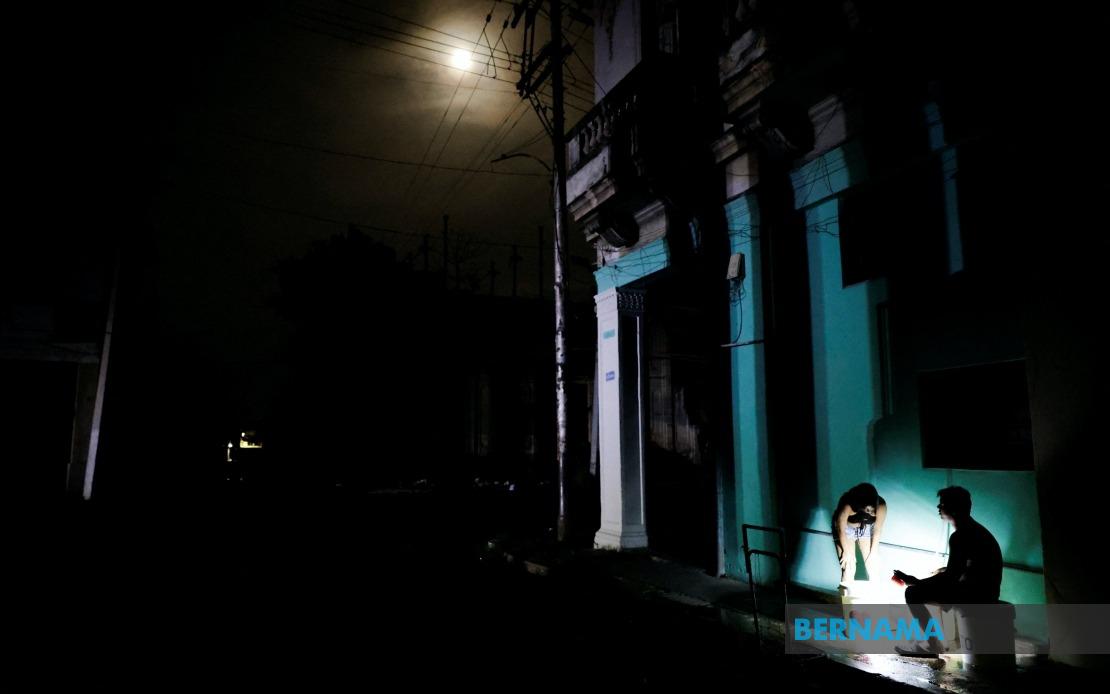
Cuba's electrical infrastructure failed on Sunday, triggering a complete nationwide blackout that left millions without power across the Caribbean island. The state-owned electricity utility confirmed that the national energy grid had collapsed, though officials offered no explanation for the technical failure. This latest outage adds to mounting concerns about the vulnerability of Cuba's power system, which has deteriorated significantly in recent months.
The blackout represents the first major power failure recorded in August, continuing a troubling pattern that saw three separate nationwide outages sweep across Cuba during July. The frequency of these incidents underscores the severity of the energy crisis gripping the island and raises serious questions about infrastructure resilience. For ordinary Cubans, these recurring blackouts have become an inescapable part of daily existence, forcing families and businesses to operate under constant uncertainty about when electricity will next become available.
The impact of rolling blackouts extends far beyond mere inconvenience. Residents have adapted their routines to exploit whatever windows of electricity become available, rushing to cook meals, do laundry, charge devices, and cool their homes during periods when the grid functions. During sweltering summer months, the inability to use air conditioning or fans places particular strain on vulnerable populations. Access to clean water, refrigeration, and medical equipment all depend on reliable electricity, making these outages a public health concern as well as an economic one.
The Cuban government has long acknowledged that its energy sector faces structural problems rooted in aging infrastructure, fuel shortages, and limited capacity to meet growing demand. Prime Minister Manuel Marrero Cruz outlined reform initiatives in July aimed at alleviating these pressures while simultaneously reviving economic activity. Officials approved Cuba's first foreign investment arrangement designed to import and distribute fuel, marking a significant shift in economic policy for the state-controlled system.
Beyond fuel imports, the government has taken steps to expand private participation in key sectors of the economy. Nearly two hundred businesses received authorization to participate in wholesale fuel distribution networks, representing a substantial expansion of private enterprise in an area traditionally dominated by the state. This devolution of economic control reflects governmental recognition that centralized management alone cannot solve the current crisis.
Tourism, historically a crucial source of foreign exchange for Cuba, has also received attention from policymakers. The government approved measures permitting private investment in tourism ventures, acknowledging that the sector requires capital injection and operational flexibility that state enterprises have struggled to provide. These policy adjustments signal a pragmatic, if grudging, acceptance that market mechanisms may help address systemic shortages.
However, Marrero's statements reveal the gradualist nature of these reforms and the government's realistic assessment of how long recovery will take. Officials have been candid that results will materialize slowly and that the most challenging phase of implementation lies ahead. The Prime Minister's acknowledgment that the "most difficult stage" was just beginning reflected awareness that converting policy into functioning infrastructure and economic improvement requires sustained effort over years, not months.
For Malaysia and other Southeast Asian nations, Cuba's energy crisis offers both cautionary lessons and potential opportunities. The island's inability to maintain reliable electricity supply despite decades of attempting to build socialist self-sufficiency demonstrates the risks of allowing critical infrastructure to deteriorate. Countries across the region, particularly those dependent on aging power plants and vulnerable to fuel supply disruptions, should note how quickly energy systems can unravel when maintenance and investment lag.
The Cuban government's recent openness to foreign investment and private enterprise also carries implications for regional business and diplomatic relations. As Havana seeks external partnerships to stabilize its economy, Southeast Asian companies and governments may find new opportunities in energy, tourism, and trade sectors. However, such engagement must reckon with structural constraints that reform alone may not overcome quickly.
Cuba's energy predicament reflects broader challenges facing developing nations attempting to balance state control with market participation, infrastructure investment with limited resources, and present needs with long-term sustainability. The repeated blackouts underscore how power system failures can cascade through economies, disrupting production, healthcare, communications, and quality of life. As the Caribbean nation pursues incremental reforms while managing ongoing crises, the international community watches to assess whether policy adjustments can genuinely arrest the deterioration or merely slow it.

