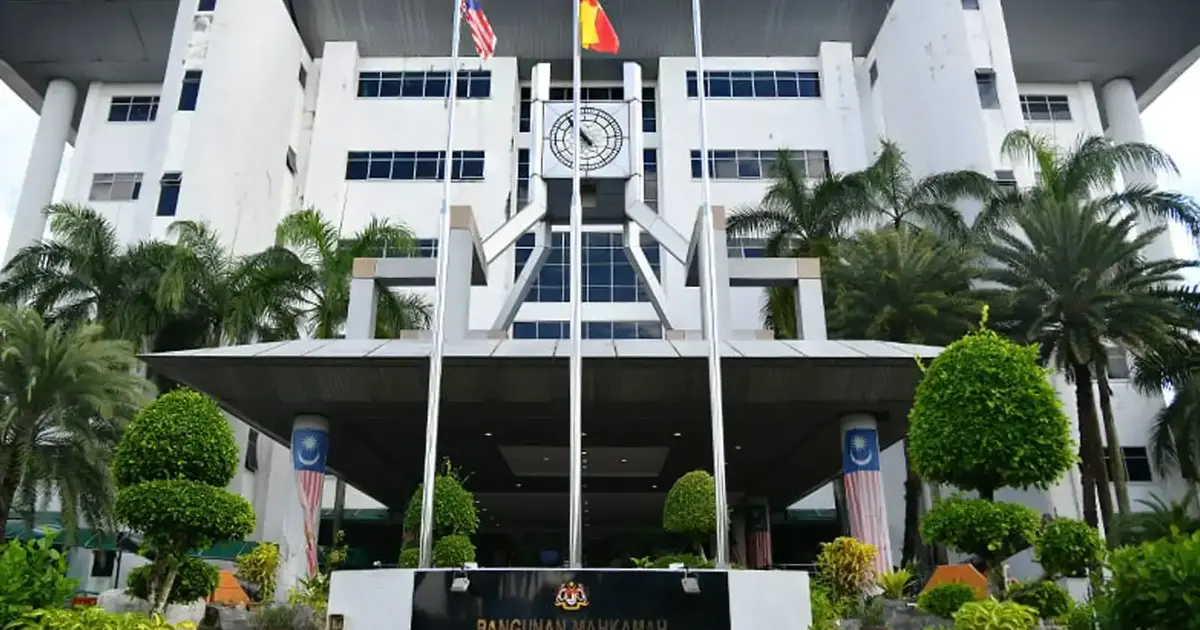
A customs officer has mounted a formal defence against corruption allegations involving a purported cash payment intended to obstruct an active investigation. Fareez Akhmal Yusuf rejected the charge of receiving RM15,000 from a 50-year-old individual on June 29, maintaining his innocence as the trial proceeded in the magistrate's court.
The allegation represents a significant breach of public trust, as it centres on the misuse of official authority to benefit a private party. Customs officers occupy positions of considerable responsibility within Malaysia's enforcement hierarchy, wielding substantial discretionary powers over trade compliance and border procedures. When such authority is allegedly compromised by financial inducement, it undermines the integrity of the entire system designed to protect national interests and maintain fair commercial practices.
The prosecution's case hinges on demonstrating that the cash transfer constituted a corrupt transaction—specifically, that Fareez Akhmal Yusuf accepted money in exchange for curtailing or terminating an investigation into the suspect's activities. The timing of the alleged payment, occurring on a specific date in late June, provides a concrete evidentiary anchor that prosecutors will likely use to establish motive and opportunity. The relatively precise nature of the accusation suggests that investigators possessed credible intelligence, possibly including financial records, witness testimony, or surveillance documentation.
This case reflects a broader pattern of integrity challenges within Malaysia's customs and excise administration. Previous instances of corruption among uniformed personnel have prompted multiple internal reform initiatives and enhanced oversight mechanisms. The Malaysian Anti-Corruption Commission (MACC) has intensified scrutiny of enforcement agencies, recognising that corruption at lower operational levels can metastasise into systemic dysfunction if left unchecked. When frontline officers become compromised, the consequences ripple outward—investigations collapse, criminal networks strengthen, and public confidence erodes.
The circumstances surrounding the alleged misconduct also merit examination. The RM15,000 sum represents a substantial amount in local terms, yet might reflect a strategic calculation by the suspect rather than an arbitrary figure. Such payments often correlate with the perceived stakes of the investigation—the seriousness of potential charges, likely penalties, or business losses at risk if proceedings continued unobstructed. This suggests the investigation may have involved significant contraband, trade violations, or commercial infractions serious enough to justify substantial bribery expenditure.
Defence strategies in such cases typically emphasise procedural irregularities, witness credibility issues, or alternative explanations for financial transfers. Fareez Akhmal Yusuf's legal team will likely scrutinise the prosecution's evidence chain, challenging the presumption that money movement automatically constitutes corrupt inducement. Malaysian courts have previously acquitted defendants in corruption trials where circumstantial evidence proved insufficient to establish guilt beyond reasonable doubt, particularly when legitimate explanations for transactions remained plausible.
The broader implications for Malaysia's regional standing warrant consideration. Foreign investors and trading partners maintain particular sensitivity to evidence of customs corruption, as such practices distort competitive landscapes and invite regulatory uncertainty. Nations perceived as harbouring widespread customs fraud experience reduced foreign direct investment and increased logistics costs as companies factor in corruption risk premiums. Singapore and other regional competitors maintain notably lower perceived corruption levels in customs administration, creating comparative disadvantages for Malaysian commerce.
Internal disciplinary proceedings typically proceed parallel to criminal trials involving uniformed officers. The Customs Department may have already initiated administrative action—suspension, reassignment, or other measures—pending trial outcome. Such parallel processes balance the presumption of innocence against legitimate institutional protection, ensuring that public administration maintains functional capacity whilst investigations proceed.
The evidential burden resting on prosecutors is substantial. Corruption trials require proof of corrupt intent—that the officer knowingly accepted payment with understanding that it would influence official discretion. Establishing this mental element constitutes the prosecution's most challenging task, particularly where the officer might claim misunderstanding about the payment's purpose or characterise it as an unrelated personal loan or gift.
Regional anti-corruption frameworks increasingly emphasise transnational cooperation in customs matters. ASEAN member states have strengthened information-sharing protocols regarding suspect movements and suspicious transactions, recognising that corruption enabling in one jurisdiction creates vulnerabilities for neighbours. This trial's outcome may influence how enforcement agencies across Southeast Asia recalibrate their internal oversight mechanisms and training standards for customs personnel.
The case's resolution will carry significance for Malaysia's broader anti-corruption agenda. Successful prosecution reinforces public messaging that no officer, regardless of rank or tenure, operates beyond accountability. Conversely, acquittal might inadvertently signal investigative vulnerabilities or evidentiary standards that organised smuggling networks could exploit. The customs administration thus faces reputational stakes extending beyond the individual defendant's fate.
As proceedings continue, the trial will likely generate extensive scrutiny from civil society organisations and investigative media outlets focused on governance accountability. How the courts weigh evidence, assess credibility, and apply legal standards in this instance may establish precedent influencing future corruption prosecutions across enforcement agencies. The transparent judicial handling of such cases remains essential for maintaining public confidence in both the anti-corruption apparatus and customs administration's fundamental commitment to serving national interests rather than private enrichment.

