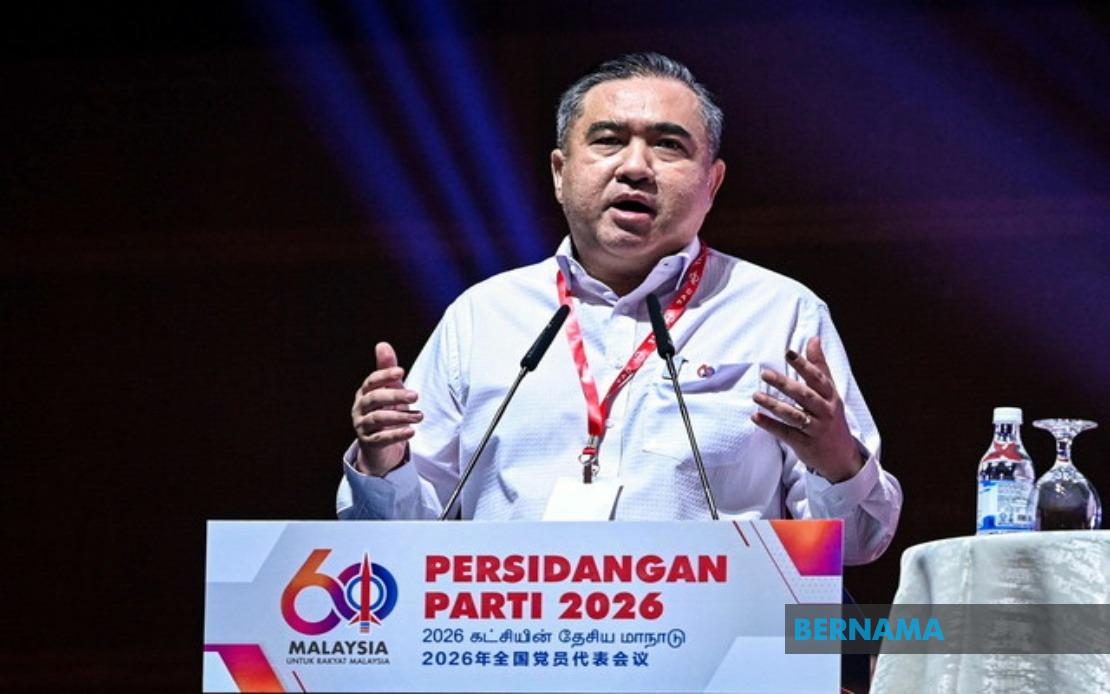
Malaysia's Democratic Action Party has signalled its intention to remain a steadfast component of the federal coalition government for the duration of the current parliamentary term, following a decisive party conference vote held at the Putrajaya International Convention Centre on August 16. Party secretary-general Anthony Loke secured an overwhelming mandate from delegates through a special motion that authorised the party leadership to sustain its participation within the administration until the 15th Parliament concludes its term.
The voting outcome demonstrated substantial backing for the party's continued engagement in the ruling coalition. Of the 2,106 ballot papers distributed among eligible delegates, 1,857 cast votes in favour of remaining in government, whilst 242 opted for withdrawal, with seven ballots deemed invalid. This margin, representing approximately 88.2 per cent of those delegates present, underscores the depth of internal consensus regarding the party's coalition participation. The conference leadership, represented by Speaker Cha Kee Chin, ensured the voting process maintained rigorous standards through implementation of secret ballot procedures rather than the conventional voice vote or hand-raising methods traditionally employed at such gatherings.
The decision carries particular significance given DAP's influential position within the current administration. The party commands five Cabinet positions, with Loke serving as Transport Minister whilst his colleagues Steven Sim oversee Entrepreneur and Cooperatives Development, Gobind Singh Deo leads the Digital portfolio, Nga Kor Ming manages Housing and Local Government affairs, and Hannah Yeoh holds responsibility for the Prime Minister's Department and Federal Territories. This representation reflects DAP's standing as one of the coalition's major political forces and its growing prominence in national governance structures.
Beyond Cabinet-level representation, DAP has extended its influence through seven deputy ministerial appointments distributed across critical government functions. These positions span Communications under Teo Nie Ching, Agriculture and Food Security headed by Datuk Chan Foong Hin, Education managed by Wong Kah Woh, and Finance overseen by Liew Chin Tong. Additional deputy ministers from the party include M. Kulasegaran in the Prime Minister's Department overseeing Law and Institutional Reform, Lim Hui Ying managing Women, Family and Community Development, and Mordi Bimol leading Youth and Sports initiatives. This distribution demonstrates DAP's penetration across diverse policy domains affecting Malaysian citizens' daily lives.
The conference convened approximately 4,264 eligible delegates representing 1,704 party branches nationwide, establishing a substantial quorum for the decision-making process. The scale of delegate participation ensured that the mandate secured by party leadership reflected grassroots sentiment across DAP's organisational structures. The use of secret ballot voting procedures enhanced transparency and allowed individual delegates to express their preferences without fear of internal pressure or faction-based intimidation, thereby strengthening the legitimacy of the outcome.
DAP's commitment to the coalition assumes heightened importance within Malaysia's current political landscape, where maintaining administrative stability requires sustained cooperation among diverse political entities. The party's decision to remain anchors the government through what would represent a complete parliamentary cycle under the current administration, providing continuity for ongoing policy initiatives and long-term development programmes. For Malaysian citizens and businesses, this stability offers predictability regarding regulatory environments and governance approaches across multiple sectors where DAP holds ministerial responsibility.
The timing of this decision reflects broader coalition dynamics and emerging considerations about Malaysia's political trajectory beyond the current parliamentary term. By securing this mandate now, DAP leadership establishes clear parameters for party participation in governance, reducing uncertainty regarding potential coalition restructuring or political realignment discussions. The substantial delegate majority voting to remain signals internal coherence on this strategic question, minimising the prospect of internal party divisions on coalition participation that could destabilise either the government or DAP's own organisational cohesion.
For Malaysia's broader political ecosystem, DAP's reaffirmation of coalition loyalty represents a stabilising factor in an environment where coalition dynamics remain fluid and subject to shifting alliance calculations. The party's positions in transport, housing, communications, and other portfolios directly influence policies affecting millions of Malaysians, making sustained participation in coherent governance frameworks consequential for policy implementation and administrative effectiveness. The vote essentially telegraphs DAP's expectation that the coalition framework will remain viable and functional through the completion of the current parliamentary cycle.
The decision also carries implications for opposition positioning and electoral calculations as Malaysia approaches the subsequent parliamentary election cycle. By formally committing to coalition participation through the current term's conclusion, DAP removes speculation regarding potential early withdrawals or coalition collapses that might trigger early elections. This commitment provides breathing room for the government to pursue legislative agendas whilst allowing opposition forces to prepare alternative platforms and policy proposals for presentation to voters when the next general election eventually occurs.
The conference voting process itself reflected evolving standards within Malaysian political party management, where secret ballot procedures increasingly replace traditional voice voting methods to enhance democratic integrity within party structures. DAP's adoption of this approach demonstrates receptiveness to contemporary governance standards and commitment to ensuring that internal party decisions reflect authentic delegate preferences rather than outcomes influenced by procedural manipulation or factional pressure.

