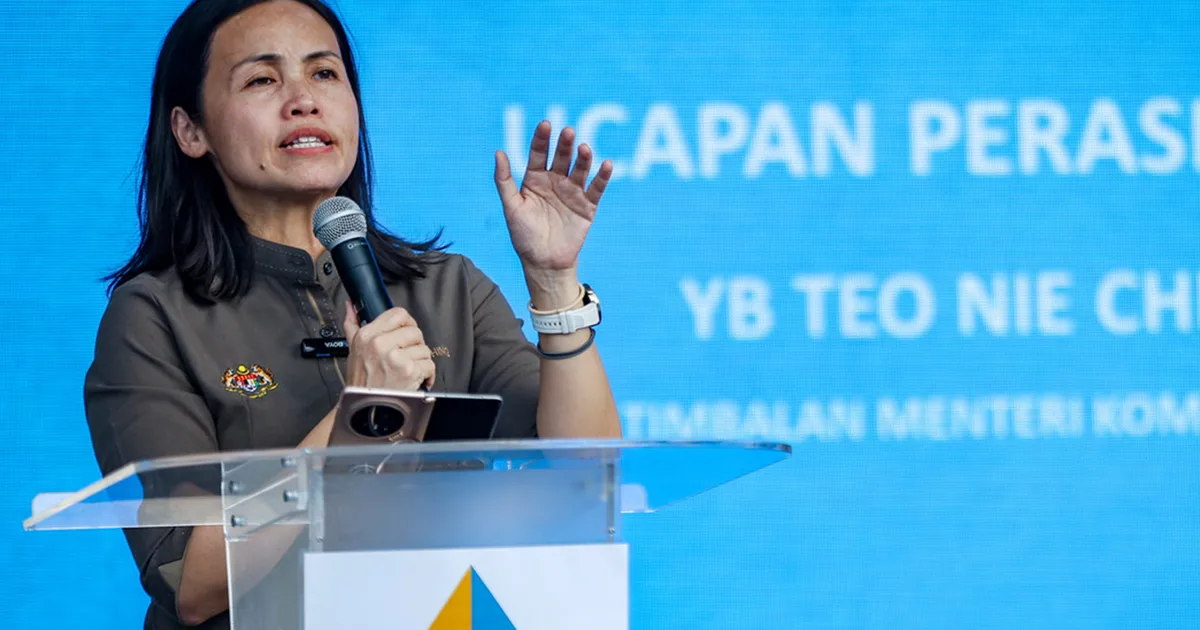
Teo, a prominent DAP leader and serving deputy minister, has come forward with allegations that a coordinated attack against her involves the creation of multiple social media profiles designed expressly for spreading misinformation. The campaign, according to her account, specifically aims to associate her with gang-related activities through unsubstantiated claims circulated across digital platforms.
The emergence of this accusation reflects a troubling trend in Malaysian politics where personal attacks are increasingly weaponised through coordinated online campaigns. Rather than engaging in substantive policy debate, critics have resorted to manufacturing baseless allegations that spread rapidly through social networks before fact-checking can occur. This tactic exploits the speed and reach of digital platforms while making it difficult for targets to mount effective counter-narratives.
Teo's complaint points to a deliberate strategy rather than organic criticism. The creation of multiple accounts specifically for attacking an individual suggests coordinated effort from actors with resources and technical sophistication. Such campaigns typically involve the simultaneous activation of fake profiles, coordinated posting schedules, and the strategic use of hashtags and trending topics to maximise visibility and engagement among target demographics.
The allegations against Teo herself—linking her to gang-related matters—carry particular weight given Malaysia's ongoing concerns about organised crime and its intersections with politics. By introducing such serious allegations without foundation, whoever orchestrates this campaign knows it will damage her credibility and political standing, regardless of eventual verification. The damage often precedes the clarification in the court of public opinion.
For DAP as a political party, such attacks represent a broader vulnerability facing opposition figures in Malaysia. The party's relatively strong performance and growing parliamentary presence have made its senior members prominent targets for disinformation campaigns. Unlike government-aligned parties, which often benefit from institutional protections and aligned media coverage, opposition figures must actively counter false narratives while simultaneously pursuing their ministerial duties.
The digital dimension of these attacks reveals how political competition in Malaysia has evolved beyond traditional channels. Mainstream media, while still influential, no longer monopolises political messaging. Social media platforms now function as battlegrounds where allegations—true or false—can achieve widespread circulation within hours. The lack of accountability for anonymous accounts and the algorithmic amplification of sensational content create an environment where false claims flourish.
Malaysian authorities face increasing pressure to develop mechanisms for addressing coordinated inauthentic behaviour on social platforms. While freedom of expression remains essential to democratic discourse, the distinction between legitimate criticism and orchestrated disinformation campaigns matters significantly. Regulators and platform operators must grapple with how to protect individuals from false allegations while preserving the right to political expression and dissent.
Teo's public complaint serves a strategic purpose beyond merely defending her personal reputation. By naming the tactic and drawing attention to the coordinated nature of the attack, she alerts the broader public to the existence of organised disinformation efforts in Malaysian politics. This transparency, while not preventing future campaigns, may inoculate observers against accepting allegations at face value and encourage greater critical consumption of social media content.
The timing and nature of such campaigns often reveal clues about their origins. Coordinated attacks frequently intensify around significant political moments—legislative votes, policy announcements, or electoral periods. The sophistication of accounts, the geographic distribution of engagement, and the specific nature of allegations can sometimes hint at organisational backing, though definitively attributing such campaigns remains technically challenging.
For Malaysian civil society and concerned citizens, Teo's experience underscores the importance of media literacy and critical evaluation of online claims. Allegations of criminal associations carry particular power because they tap into public anxiety about security and institutional corruption. Yet precisely because such claims carry such weight, they demand proportionally higher standards of evidence before acceptance.
The broader implication extends to Malaysian democracy itself. When political actors resort to fabricated personal allegations rather than policy-based criticism, the quality of public debate deteriorates. Voters find it increasingly difficult to distinguish between legitimate concerns about a leader's positions and malicious attacks designed merely to discredit. This erosion of discourse quality ultimately weakens democratic institutions and reduces public trust in all political actors.
Moving forward, Teo's allegations against the coordinated campaign highlight the need for comprehensive responses spanning multiple domains. Legal frameworks may need strengthening to address malicious falsehoods with serious consequences. Social media platforms should face pressure to improve authentication and accountability mechanisms. Political parties and civil society organisations might jointly establish standards for ethical online engagement. Simultaneously, media literacy initiatives should equip Malaysians with skills to evaluate claims critically rather than accepting allegations reflexively.

