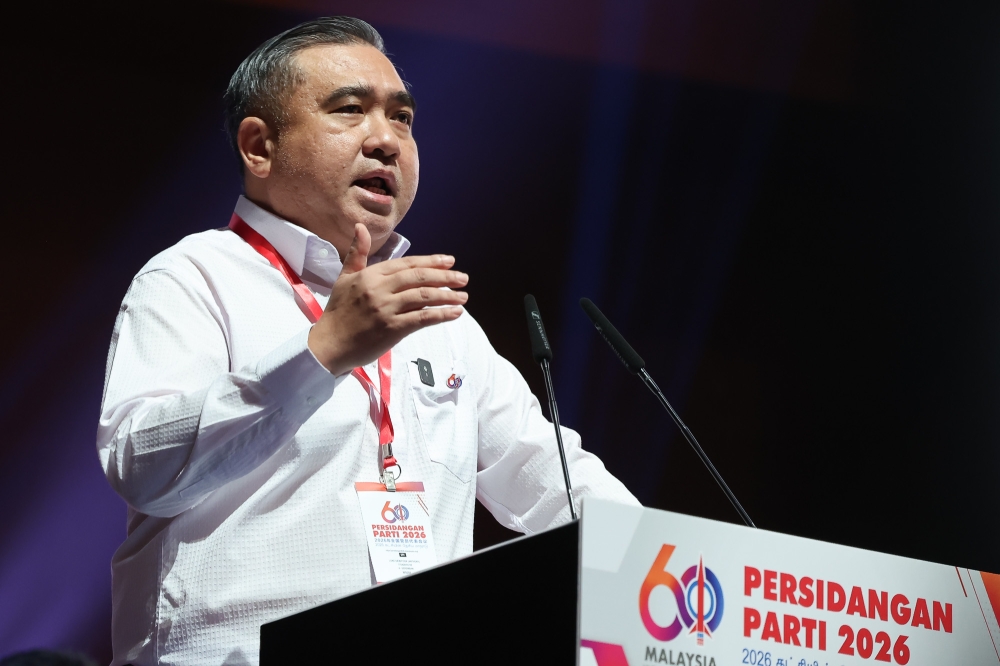
The Democratic Action Party has committed unequivocal backing for Prime Minister Datuk Seri Anwar Ibrahim's plan to abolish the AUKU law, marking a significant alignment within the governing coalition on one of Malaysia's most contentious pieces of legislation. Speaking in Putrajaya on August 16, DAP representatives confirmed the party's complete endorsement of the government's direction, framing the repeal as essential groundwork for broader democratic renewal across the nation's legal framework.
Transport Minister Loke Siew Fook emerged as a prominent voice within the coalition, signalling that while DAP welcomes the AUKU abolition, party strategists view this as merely the foundation for a more comprehensive overhaul of Malaysia's institutional structures. Loke's positioning reflects growing momentum among reform-minded legislators to harness the political capital generated by scrapping the archaic law toward wider systemic change. The intervention suggests DAP intends to use its parliamentary leverage to push the administration toward additional measures that would strengthen democratic safeguards and citizen protections.
The AUKU, officially known as the Universities and University Colleges Act, has long been a flashpoint in Malaysian politics, granting authorities sweeping powers to restrict student political expression and campus activism. Passed during the colonial period and maintained through independence, the law exemplifies the regulatory apparatus inherited from an earlier era. Critics argue it fundamentally contradicts principles of free speech and association enshrined in Malaysia's constitution, while institutional advocates have traditionally defended it as necessary for campus stability. The Anwar administration's willingness to confront this legislation signals a departure from the cautious incrementalism that characterised previous governments' approach to legal reform.
For the opposition and civil society organisations, DAP's explicit endorsement carries symbolic weight within a coalition that has historically fractured on constitutional matters. The Chinese-dominant party's backing reduces the likelihood of legislative obstruction in parliament, where Anwar's Pakatan Harapan coalition commands a working majority. This alignment creates an opening to move the abolition through procedural stages without prolonged debate that might invite alternative proposals or amendments designed to water down the reform's scope. The consolidated position also signals to international observers and domestic rights groups that Malaysia's government, however gradually, is responding to decades of advocacy for legal modernisation.
Loke's emphasis on pursuing deeper reforms points toward unresolved tensions within the coalition regarding the pace and extent of institutional change. While Anwar has positioned himself as a moderniser, other segments of the government machinery—particularly within the civil service and security apparatus—remain invested in preserving broader regulatory frameworks. The Transport Minister's public call for additional measures suggests DAP views the AUKU abolition as a test case for the administration's genuine commitment to transformation. Should the government move expeditiously on AUKU while resisting further democratisation, DAP risks reputational damage among its base, particularly educated urban voters who expect substantive progress beyond symbolic gestures.
The AUKU repeal intersects with Malaysia's ongoing efforts to restore international credibility on human rights and democratic governance. For years, Malaysian universities lagged behind regional counterparts in global rankings partly due to restrictions on academic freedom and political expression. International accreditation bodies and university networks have repeatedly cited the law as a barrier to attracting top-tier faculty and fostering the intellectual ferment essential for research excellence. Removing the restriction could help Malaysian institutions compete more effectively for talent and funding, with tangible benefits to the economy and innovation sectors that increasingly depend on knowledge workers and creative professionals.
DAP's stance also reflects calculations regarding the 2026 elections and beyond. By demonstrating full alignment with the prime minister on constitutional matters while simultaneously pushing for accelerated reform, the party positions itself as simultaneously responsible and progressive. This dual messaging appeals to different voter segments: moderates who value stable governance and reformists demanding visible change. For opposition parties, particularly those with Islamic constituencies, DAP's backing of AUKU abolition without apparent reciprocal concessions represents a tactical consolidation of power within the government coalition that marginalises their influence on legislative priorities.
The practical timeline for AUKU repeal remains uncertain despite the enthusiastic endorsement. Constitutional amendments require two-thirds parliamentary majorities, and while Anwar's coalition appears sufficient numerically, procedural delays and technical disagreements over replacement frameworks can extend implementation timelines considerably. Loke's comments suggesting further reforms may indicate DAP wants to bundle AUKU abolition with complementary legislation addressing related restrictions on political expression and assembly rights. Such packaging would create interdependent legislative blocks that individual coalition partners cannot obstruct without jeopardising the entire reform package.
Educational institutions themselves face questions about implementation and consequences. University administrators accustomed to legal tools for managing campus politics may require new guidelines establishing appropriate boundaries between academic freedom and institutional responsibility. Student organisations, having operated under severe constraints, will need capacity-building to exercise political rights responsibly. The government may establish transition mechanisms allowing a phased relaxation of restrictions rather than immediate, absolute repeal, potentially disappointing those anticipating immediate, comprehensive reform.
For regional observers, Malaysia's handling of AUKU abolition carries implications for democratic trajectories across Southeast Asia. Thailand and Myanmar have witnessed military interventions partly justified by concerns about campus unrest and student activism. Conversely, Indonesia and the Philippines have benefited from vibrant university cultures that generate political engagement and civic participation. Malaysia's willingness to expand institutional space for student expression positions it within the region's more democratically inclined camp, though implementation quality will ultimately determine whether the reform represents genuine transformation or merely legislative housekeeping.
The convergence of Anwar's reform ambitions and DAP's parliamentary leverage creates a narrow window for accelerated institutional change. However, coalition tensions between reform advocates and conservative stakeholders suggest momentum faces resistance. Loke's public calls for broader measures signal that DAP will not permit the coalition to declare victory prematurely once AUKU falls, insisting instead on comprehensive, sustained democratic deepening across multiple legal and institutional domains.

