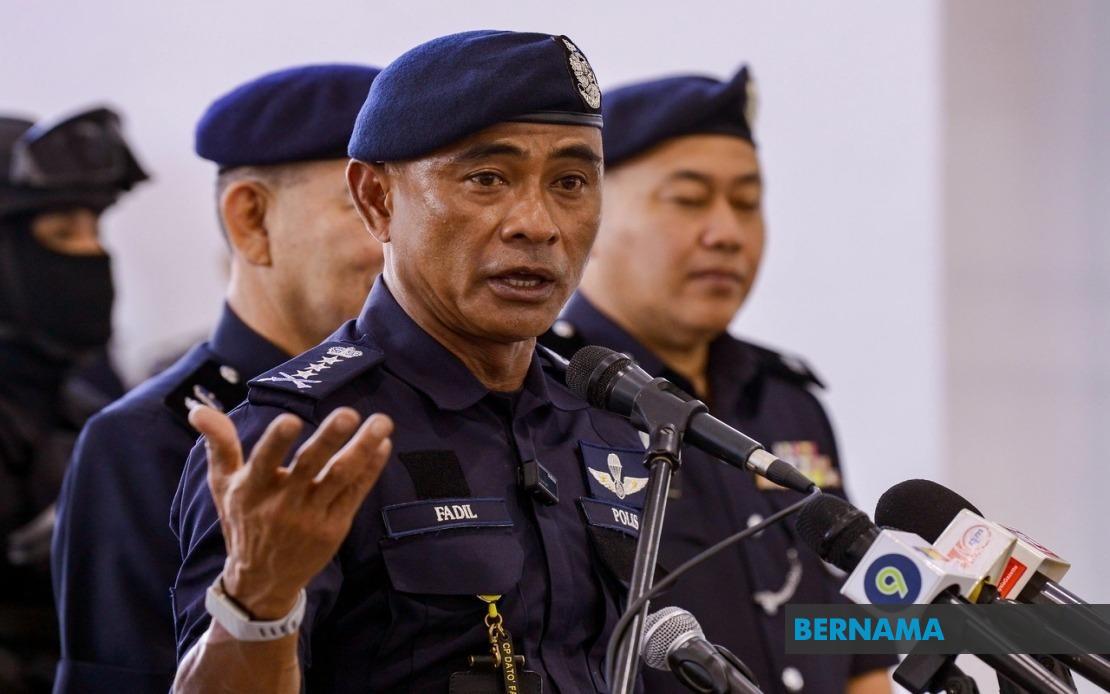
Kuala Lumpur residents and football enthusiasts will have a rare opportunity to experience the FIFA World Cup 2026 final in real-time on a massive public screen at Dataran Merdeka in the early hours of Monday morning, July 20. The screening represents a centrepiece attraction of the Unity Merdeka programme, an ambitious civic initiative that commenced recently and continues through the weekend. According to Kuala Lumpur police chief Datuk Fadil Marsus, this public gathering aspires to unite Malaysia's diverse communities through the universal language of sport whilst celebrating the nation's multicultural identity.
The Unity Merdeka programme is coordinated by Kuala Lumpur police in partnership with 16 government ministries, reflecting the cross-sectoral commitment to fostering communal cohesion among residents of the federal capital. The ambitious scope of the programme extends well beyond football, encompassing activities spanning welfare initiatives, artistic performances, educational offerings, religious observances, and family-oriented entertainment. This deliberately comprehensive approach ensures accessibility and relevance across Malaysia's varied demographic groups and age ranges. The thematic foundation, expressed as "Diversity United, Wellbeing Preserved," encapsulates the organisers' vision of strengthening social bonds whilst maintaining individual and collective wellbeing across different communities.
Activities will commence at 8 pm on Sunday and build momentum towards the World Cup final screening scheduled for early Monday morning. The organisers are targeting an unprecedented crowd of 300,000 attendees at Dataran Merdeka, with Datuk Fadil noting aspirations for this gathering to establish a record recognised by the Malaysia Book of Records. The sheer scale of this ambition underscores the growing appetite among Malaysians for large-scale communal experiences and the symbolic importance placed on hosting such events in the nation's most prominent civic space. The police chief's emphasis on filling Dataran Merdeka suggests an understanding that successful community-building initiatives require visible, tangible expressions of unity.
The Unity Merdeka programme commenced with a Fun Run held at Dataran Merdeka, which drew approximately 2,000 participants covering a five-kilometre route through the capital. This opening event served a dual purpose: it generated momentum and public awareness whilst simultaneously strengthening relationships between the police force and Kuala Lumpur's residents. The participation of senior police officers, including deputy police chief DCP Datuk Mohd Azani Omar, alongside 16 members of the Crime Journalists Association, demonstrated the event's role in building bridges between law enforcement and the media community. Such inclusive participation from diverse stakeholder groups sets a precedent for the broader programme's emphasis on breaking down silos between different sectors of society.
Beyond the football screening, the Unity Merdeka programme features exhibitions and interactive booths operated by various security and government agencies. The Royal Malaysia Police, Malaysian Armed Forces, Fire and Rescue Department, and Ministry of Health have all established presence at the event, providing the public with opportunities to engage directly with these institutions. These interactive elements serve multifaceted functions: they educate the public about important services, humanise government agencies through direct contact, and create occasions for ordinary citizens to appreciate the contributions of these organisations to national wellbeing. The interactive dimension transforms what could be a passive viewing experience into an active civic engagement opportunity.
The timing of this World Cup final screening holds particular resonance for Malaysian football supporters who have long desired greater exposure to global footballing excellence. Broadcasting major sporting events through public screenings democratises access to international competitions, removing barriers of cost and technology that might otherwise prevent less affluent citizens from experiencing these moments. In Malaysia, where football commands substantial popular enthusiasm but access to premium broadcast services remains unequally distributed, such public screenings serve an important social function. The choice of Dataran Merdeka—the symbolic heart of Malaysia's national identity—elevates the event beyond mere entertainment into a statement about the collective national experience.
The coordination involving 16 different ministries signals the Malaysian government's strategic investment in community-building initiatives at a time when social cohesion faces multifaceted pressures. By framing the World Cup screening within a broader Unity Merdeka programme that encompasses welfare, education, and religious components, organisers are positioning sporting events as vehicles for achieving policy objectives beyond entertainment. This integrated approach recognises that meaningful community building requires simultaneous attention to multiple dimensions of human experience and social need. The breadth of ministerial involvement also distributes organisational responsibility, potentially increasing the event's resilience and reach.
For Southeast Asia more broadly, the Dataran Merdeka screening represents an interesting case study in how regional nations are leveraging global sporting moments to strengthen domestic social bonds. Malaysia's approach contrasts with purely commercialised viewing arrangements, instead positioning public spectatorship as a civic responsibility and community-strengthening mechanism. As the world's attention focuses on the 2026 World Cup, Malaysia's proactive stance in creating inclusive public viewing spaces demonstrates regional agency in shaping how international sports culture interfaces with local social objectives. This model could inspire other Southeast Asian nations to conceptualise major sporting events as platforms for national unity initiatives.
The ambitious attendance target of 300,000 spectators, if realised, would create one of Malaysia's most significant public gatherings in recent memory. Successfully hosting such a mass event requires meticulous logistical planning encompassing crowd management, security coordination, and basic services provision. The multi-ministry coordination suggests these practical considerations have received attention, though executing such plans at scale remains inherently challenging. The potential for a Malaysia Book of Records entry, mentioned by Datuk Fadil, indicates organisers view this event partly through the lens of national achievement and symbolic significance alongside its immediate social objectives.

