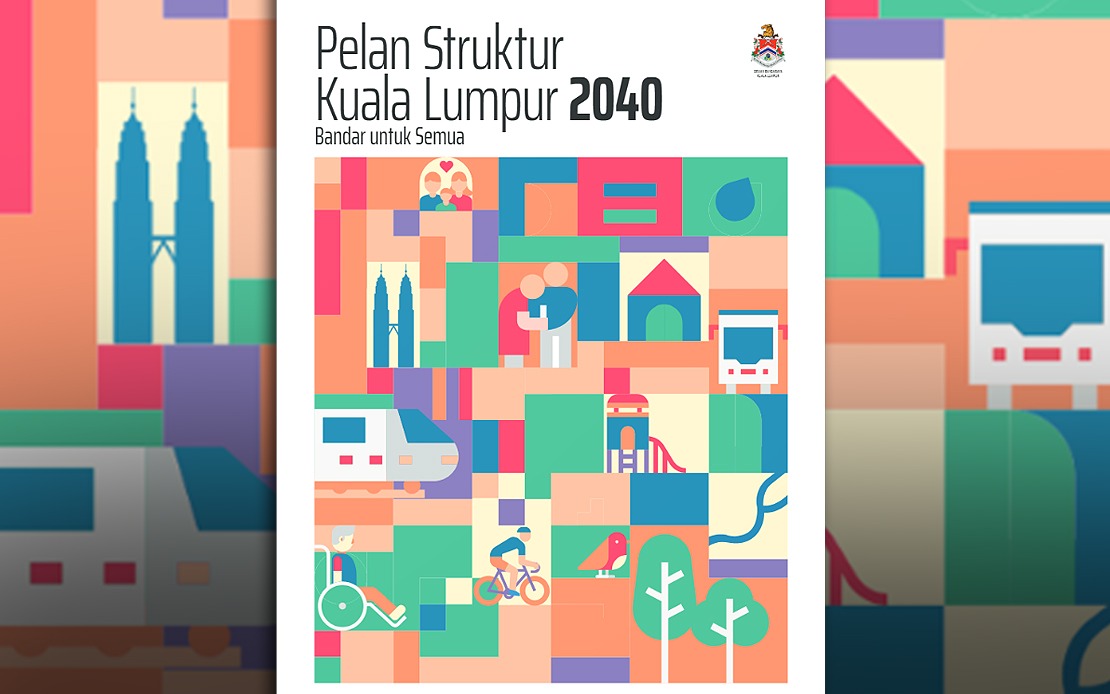
Kuala Lumpur City Hall (DBKL) has extended the submission window for proposed amendments to the Kuala Lumpur Local Plan 2040 (PTKL2040), with the fresh deadline now set for 5 pm on August 7. The decision reflects DBKL's recognition that stakeholders require sufficient preparation time to assemble the necessary documentation and present their cases comprehensively.
The extension grants registered property owners, property developers, and other interested stakeholders an expanded timeline to compile and file their Letters of Intent alongside all supporting materials. This move acknowledges the complexity involved in preparing amendment proposals and the need for thoroughness in the application process. By providing additional weeks, DBKL aims to encourage a higher calibre of submissions that meet regulatory standards.
Prospective applicants must structure their Letters of Intent with clear justifications explaining why their proposed amendments merit consideration. The documentation should incorporate precise location details or site plans that leave no ambiguity about the areas in question. Additionally, applicants must furnish the most current land title documents pertaining to the sites they wish to amend, establishing clear ownership and title status.
The amendment framework operates within the parameters established by Section 17 of the Federal Territory (Planning) Act 1982 (Act 267), which provides the legal foundation for modifying local planning provisions. This statutory basis ensures that amendments proceed through established channels and remain subject to proper oversight. For Malaysian planners and developers, understanding this legislative context proves essential when contemplating changes to how Kuala Lumpur's urban framework operates.
Applications may be lodged through two channels: physical submission to the City Planning Department (JPRB) director on Level 9 of Menara DBKL 1 along Jalan Raja Laut, or digital transmission via email. This dual-submission approach accommodates different preferences and improves accessibility for stakeholders across the city and beyond. The flexibility demonstrates DBKL's understanding of contemporary business practices and varying stakeholder circumstances.
Depending on the scope and nature of proposed amendments, DBKL may require applicants to commission a Local Plan Amendment Proposal Report (LCPPT). Should this become necessary, applicants will need to engage a Registered Town Planner to undertake this specialist work. This requirement ensures that complex amendments receive professional scrutiny and that proposals align with comprehensive planning principles before formal consideration.
To facilitate preparation efforts, DBKL has made readily available both an Application Checklist and the comprehensive Kuala Lumpur LCPPT Manual through the Kuala Lumpur Development Plan website. These resources enable applicants to understand precisely what information DBKL expects and in what format. Clear guidance materials reduce the likelihood of incomplete submissions and help standardise the quality of applications received.
For the Malaysian property and development sector, this extension carries implications for the capital's future urban configuration. The PTKL2040 represents the city's long-term planning blueprint, and amendments to its provisions can reshape zoning regulations, land use designations, and development parameters across specific localities. Developers with pending projects or properties that do not align neatly with current plan provisions now possess additional opportunity to seek formal modifications.
The initiative reflects a balance between administrative efficiency and stakeholder engagement. By maintaining open application windows with reasonable deadlines, DBKL demonstrates commitment to transparent planning processes whilst managing the administrative burden of reviewing countless amendment requests. The extension signals receptiveness to legitimate proposals whilst maintaining order in how modifications proceed through the system.
Stakeholders considering amendments should recognise that the extended deadline represents a genuine opportunity to strengthen their applications. Rushing submissions to meet original cutoffs risks omitting critical information, whereas the additional time permits thorough documentation review and professional consultation. DBKL's encouragement for stakeholders to use the extension period to submit complete and organised applications underscores that quality matters considerably in the review process.
For property owners in Kuala Lumpur with holdings that potential amendments could affect, monitoring these developments proves prudent. Changes to the local plan can either enhance or constrain development potential depending on circumstances. Similarly, businesses and residents should remain aware that amendments might influence how adjacent properties develop, potentially affecting local character and infrastructure demands.
The planning amendment process ultimately serves as a mechanism for reconciling the original vision embodied in PTKL2040 with evolving urban realities and economic circumstances. As Kuala Lumpur continues developing, certain properties and circumstances may warrant different treatment than the comprehensive plan originally prescribed. Structured amendment procedures allow the city to adapt purposefully rather than rigidly adhering to plans that no longer reflect optimal land use outcomes.

