Kuala Lumpur City Hall (DBKL) has put in motion a comprehensive restructuring programme spanning 16 governance and administrative improvements after registering a deeply concerning score of just 0.08 per cent on the Public Service Corruption Ranking under the 2025 Local Authority Star Rating System. The assessment, which allocated a possible 5 per cent for anti-corruption measures, exposed significant institutional weaknesses that the federal authority has now begun systematically addressing.
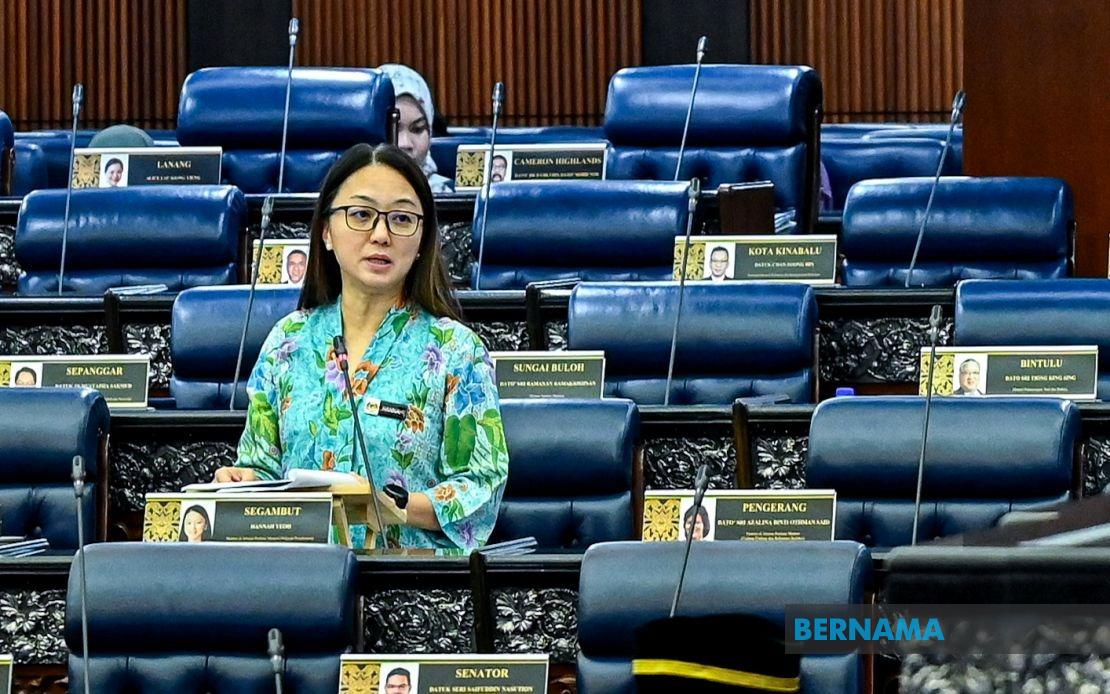
The stark rating prompted DBKL to recognise the magnitude of its governance problems and pursue drastic corrective action. Minister in the Prime Minister's Department (Federal Territories) Hannah Yeoh outlined the initiative during parliamentary question time, explaining that the low score catalysed a thorough examination of the city hall's administrative culture and operational frameworks. The minister, who represents Segambut, stressed that the reforms represent a fundamental shift in how DBKL conducts its business.
The reform programme emerged from multiple lines of inquiry. Following a March engagement session with Members of Parliament representing Kuala Lumpur constituencies, the International Islamic University Malaysia (IIUM) conducted a comprehensive study that yielded four key recommendations. These focused on strengthening DBKL's administrative systems, governance structures, integrity mechanisms, and service delivery performance. The recommendations were grounded in identified procedural vulnerabilities requiring urgent remediation.
The Malaysian Anti-Corruption Commission (MACC) had pinpointed five distinct areas where DBKL's procedures fell short of acceptable standards. These included management failures in a radio studio broadcast content production initiative, inadequate controls over Ramadan Bazaar site allocation, insufficient oversight of contracts for business licensing provision, governance lapses in the Malaysian Statutory Bodies Association Sports Championship administration, and weaknesses in rental collection systems for DBKL-managed housing projects. Collectively, these represent areas where institutional checks had proven insufficient and decision-making lacked transparency.
To address power concentration and reduce opportunities for political interference, DBKL has dissolved the Special One Stop Centre (OSC) Committee, implementing a separation of powers doctrine within the authority's structure. This elimination is intended to create institutional boundaries that prevent any single office or committee from wielding excessive discretion over development approval processes. The move reflects international governance best practice regarding checks and balances in municipal administration.
Parliamentary oversight has been substantially enhanced through access provisions for MPs representing Kuala Lumpur. All Federal Territory MPs now have access to the OSC 3.0 Plus Portal, enabling them to scrutinise development applications and lodge formal positions with the mayor prior to approval issuance. This transparency mechanism gives elected representatives direct visibility into DBKL's decision-making and creates an additional accountability layer. Tan Kok Wai of Cheras raised the reform question, prompting the ministerial disclosure.
Financial controls have been tightened considerably. DBKL has capped the mayor's unilateral authority to approve contributions at RM3,000, with all requests exceeding this threshold requiring Top Management Committee approval. This ceiling prevents ad-hoc spending decisions and ensures collective deliberation on financial commitments. Additionally, DBKL has established three new institutional bodies: an Audit Committee, a Governance and Integrity Committee, and a Mayor's Contributions Committee, each designed to reinforce internal controls and prevent conflicts of interest.
A fundamental cultural reorientation underpins the reform agenda. Hannah Yeoh characterised the shift as moving DBKL's decision-making apparatus from an individual-centric model toward a system grounded in collective governance, integrity principles, and institutional accountability. The Audit Committee no longer reports to the mayor, severing a hierarchical relationship that could enable supervisory capture. Simultaneously, DBKL has instituted job rotation policies for officers in sensitive positions, reducing opportunities for established corrupt networks to consolidate influence over particular functions.
Technological and transparency measures form a crucial reform pillar. DBKL will introduce body-worn cameras for enforcement officers in phased rollouts commencing in the fourth quarter of this year, creating objective documentation of public interactions. The authority is simultaneously accelerating digitalisation, having introduced 170 online application services as of July with a year-end target of 180 comprehensive services. This trajectory aims toward complete online processing of all applications by 2030, eliminating paper-based systems and intermediaries that historically created corruption opportunities.
Licensing reform has proceeded alongside digitalisation. The newly operational e-Lesen system eliminates reliance on intermediary "runners" who historically facilitated irregular payments and created access bottlenecks. Integration with the Departmental Enforcement System (SPJ) provides unified digital infrastructure for licensing administration. A revised licensing policy effective from July 1 extends validity periods to three years, reducing frequency of renewal interactions and further decreasing corruption exposure points. This licence modernisation simplifies compliance for legitimate businesses whilst reducing government contact points where irregular demands historically occurred.
The DBKL reform package reflects growing recognition that municipal governance failures in Malaysia require systematic institutional redesign rather than personnel changes alone. The specific weaknesses identified by MACC—particularly in procurement oversight, site allocation, contract management, and revenue collection—are common corruption vectors in Southeast Asian cities. DBKL's comprehensive approach addressing structural vulnerabilities, oversight mechanisms, technological systems, and cultural reorientation simultaneously provides a template for other Malaysian local authorities confronting governance deficiencies.
For Malaysian readers, the DBKL reforms carry several implications. Improved governance at Malaysia's largest city hall should yield more transparent and efficient service delivery in business licensing, housing administration, and development approvals affecting millions of residents and businesses. The enhanced parliamentary oversight and public portal access represent democratic accountability improvements with potential spillover benefits for governance quality generally. However, the initial 0.08 per cent anti-corruption score underscores how institutional decay can progress, suggesting sustained vigilance and periodic performance auditing remain essential safeguards against backsliding.

