Kuala Lumpur City Hall (DBKL) has launched formal procedures to acquire privately owned land that contains a long-used public access road in the Taman Datuk Senu neighbourhood of Sentul. The move comes after investigative checks by municipal authorities revealed that no land acquisition had previously been conducted, leaving the thoroughfare—which residents have relied upon for years—technically located on private property. This discovery prompted the city hall to take official action through government channels to regularise the situation.
The predicament gained widespread public attention recently when residents complained on social media about the road being blocked off and sealed, effectively cutting off their primary daily route through the neighbourhood. The disruption sparked considerable frustration among affected commuters and homeowners, drawing scrutiny to the underlying land tenure issue that had apparently gone unresolved for an extended period. Kuala Lumpur Mayor Datuk Seri Fadlun Mak Ujud acknowledged the public inconvenience and confirmed that preliminary discussions with relevant stakeholders had been occurring since February.
The mayor explained that resolving such land tenure complications requires a multi-step governmental process that extends beyond DBKL's unilateral authority. The city hall has submitted its application to the Department of the Director General of Lands and Mines (JKPTG), the federal body responsible for overseeing land acquisition matters across Malaysia. This bureaucratic pathway, while necessary for legal legitimacy and protection of all parties' interests, inherently involves procedural delays that frustrate residents seeking immediate resolution.
Under the standard land acquisition framework, DBKL must first obtain official governmental approval before proceeding to subsequent stages. Once approved, the acquisition enters the gazettement phase—a public announcement period that allows for objections and ensures transparency. Concurrently, the Valuation Department assesses fair market compensation for the affected private landowner, a critical step to ensure equitable treatment and minimise potential legal challenges. The mayor indicated that if all procedural steps advance without complications or disputes over the valuation, the entire matter could reach resolution within three to four months.
Fadlun appealed to the private landowner to demonstrate patience while the legal machinery progresses. He characterised the extended public use of the road as justification for completing the acquisition, framing the situation as one where community benefit should weigh proportionally in the deliberations. This messaging reflects the tension inherent in land acquisition cases—balancing property rights with broader public interests, a perennial challenge for municipal authorities managing dense urban environments like Kuala Lumpur where land use patterns often evolve informally over decades.
The incident exemplifies a broader challenge facing Malaysian cities, where public infrastructure occasionally develops on uncertain legal foundations. Informal pathways and shortcuts used by residents sometimes lack formal agreements with landowners, creating latent disputes that surface only when someone blocks access or authorities undertake regularisation efforts. The Taman Datuk Senu situation highlights how years of peaceful coexistence and public utility can suddenly become problematic when property ownership changes or landowners reassert their legal rights.
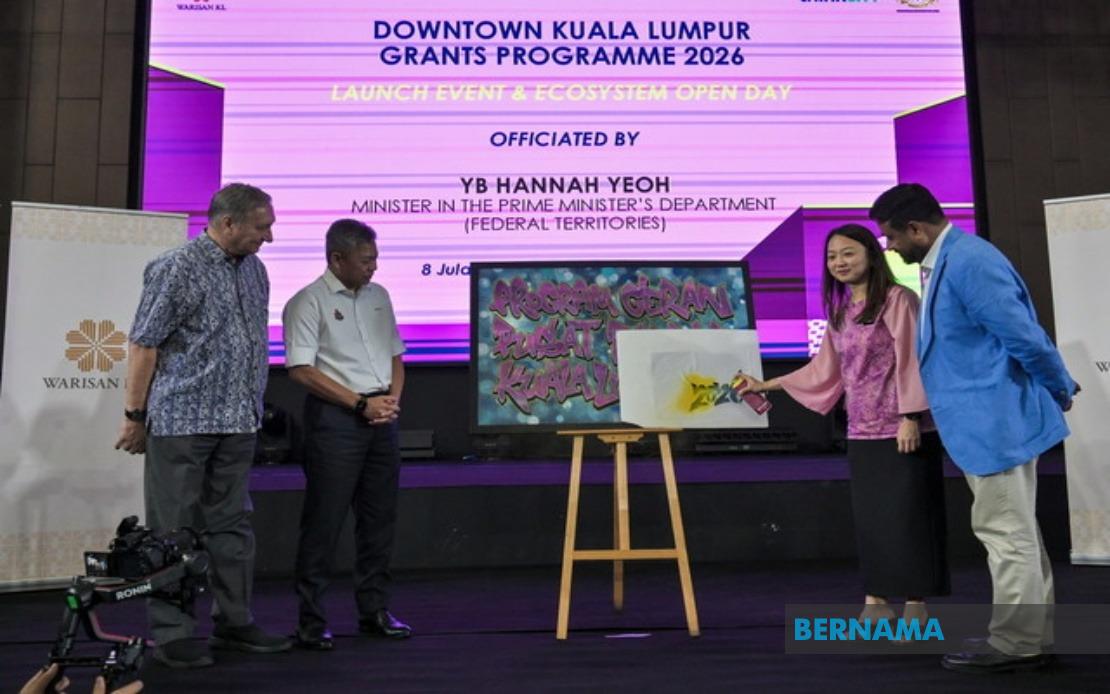
Federal Territories Minister Hannah Yeoh attended the announcement event, signalling high-level governmental engagement with the matter. Her presence underscores that the federal government, through its responsibility for federal territories administration, is actively monitoring the resolution process. This ministerial involvement may accelerate coordination between DBKL and JKPTG, potentially streamlining the application assessment and approval phases that typically consume significant portions of acquisition timelines.
The three to four month projection assumes straightforward valuation acceptance and absence of objections during gazettement. However, land acquisition matters frequently encounter delays when property owners dispute valuation figures, require additional negotiation, or submit formal objections to the process itself. Legal challenges can extend timelines considerably, potentially pushing final resolution well beyond the preliminary estimate. Residents should therefore view the mayor's timeline as optimistic rather than guaranteed.
For Kuala Lumpur residents and property owners in similar circumstances elsewhere, this case demonstrates the importance of ensuring legal clarity around land use rights. The situation also highlights the necessity of formalized agreements between municipal authorities and private landowners regarding public access routes, preventing such complications from arising in the first place. Future urban planning must incorporate mechanisms to identify and regularise informal public infrastructure before crises emerge.
The resolution process, once complete, will establish clear legal title for DBKL over the disputed road segment, enabling the city hall to maintain it properly and prevent future blockages. This regularisation protects both municipal administration and residents, creating a stable framework for public space management. The case serves as a reminder that rapid urbanisation often outpaces legal documentation, necessitating periodic audits and formal regularisation of long-established public pathways throughout Malaysian cities.

