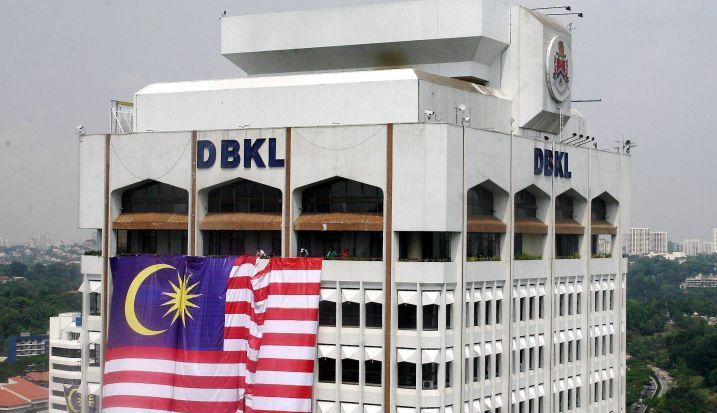
Kuala Lumpur City Hall (DBKL) has given the Taman Desa Phase 1 Residents Association a fortnight to remove facial-recognition scanners and boom gates that the municipality deems unauthorised structures obstructing public thoroughfares. The enforcement action follows months of escalating tension over gated-community measures that restrict vehicle access and implement biometric entry systems in the neighbourhood.
On Thursday, August 27, DBKL enforcement staff posted red notices at two guard posts and secured the equipment with yellow enforcement tape. The citations invoked Section 70 of the Street, Drainage and Building Act 1974, asserting that the residents association had not obtained the necessary mayoral approval before deploying the systems. A City Hall spokesperson confirmed that the legal department had reviewed the matter before issuing the deadline, emphasising that DBKL would undertake removal itself if voluntary compliance was not forthcoming within the specified timeframe.
The current crisis reflects a prolonged standoff between municipal authorities and the residents association over neighbourhood security architecture. Following an inspection on August 17, DBKL determined that despite receiving a previous 30-day grace period, Taman Desa Phase 1 RA had failed to align its operations with City Hall requirements. An official August 18 letter demanded that the association fully restore vehicular access at three gate locations—Posts 2, 5 and 6—and eliminate all non-approved infrastructure while returning public roads to unrestricted use.
The underlying regulatory dispute traces back further. In March, DBKL had already notified the residents association that its closed-circuit television cameras and facial-recognition network lacked municipal sanction. These objections appear to have been disregarded, prompting the current enforcement escalation. The accumulation of warnings and failed compliance deadlines suggests that attempts at negotiated resolution have exhausted municipal patience.
Residents themselves have become divided over the access-control scheme. On August 24, over 40 neighbourhood dwellers, predominantly seniors aged 50 and above, gathered near Gate 5 on Jalan Desa Ria to voice grievances against the movement restrictions. They highlighted a particularly contentious closure: the gate remains permanently shut to vehicle traffic and remains locked to pedestrians until 6am, forcing early-morning exercisers to navigate circuitous detours along congested roads to reach the neighbourhood's public park. This arrangement has become especially burdensome for elderly residents whose mobility is already constrained.
Beyond inconvenience, protesters raised serious concerns about the facial-recognition infrastructure itself. Residents characterised the biometric system as invasive and potentially problematic for personal privacy, reflecting broader anxieties about surveillance technology in residential spaces. They also warned that the barricades could impede emergency vehicle access during medical crises, presenting a public safety argument against the current setup that extends beyond mere inconvenience to matters of life-safety.
The Taman Desa Phase 1 RA has maintained that it followed established procedures and secured resident backing for the guarded-neighbourhood initiative. Association president Frank Yeh asserted that 81 percent of residents supported the scheme, implying that enforcement action against the association contradicts the will of the majority community members. This claim remains contentious, particularly given the visible mobilisation of opposing residents in recent weeks and questions about whether all residents were meaningfully consulted about specific implementation details such as facial-recognition systems.
The confrontation highlights persistent tensions between neighbourhood autonomy and municipal governance in Malaysian urban contexts. Residents associations increasingly seek to implement security measures—from boom gates to surveillance cameras—to manage their residential environments. However, such initiatives frequently proceed without obtaining formal municipal approval, creating friction with local authorities responsible for maintaining public road standards and accessibility. DBKL's enforcement action suggests that City Hall is reasserting its regulatory authority over public infrastructure, regardless of resident preferences.
For Malaysia's broader property and governance landscape, the Taman Desa dispute carries instructive implications. Many gated and semi-gated neighbourhoods across the Klang Valley and other major urban centres employ similar access-control technologies. The outcome in Taman Desa may establish precedent about whether such installations can persist without explicit municipal blessing or whether enforcement becomes standard practice. Residents associations and property developers considering similar schemes must now account for regulatory risk, particularly regarding unapproved structures on publicly classified roads.
The two-week deadline creates an immediate flashpoint. Should Taman Desa Phase 1 RA comply, it would signal municipal authority and potentially trigger similar enforcement actions elsewhere. Alternatively, if the association refuses and DBKL executes forced removal, the standoff would escalate into direct confrontation between grassroots resident governance and formal municipal power. The situation also underscores unresolved questions about whether facial-recognition systems should be permitted in Malaysian residential areas at all, independent of procedural approval questions.

