A Moroccan national has died during an arrest operation in Italy, triggering immediate diplomatic calls for a thorough investigation and widespread public demonstrations that underscore mounting tensions around policing practices and migrant treatment in the European country. Morocco's government has formally requested complete clarification of the circumstances surrounding the death, signalling that the incident has resonated beyond Italy's borders and acquired diplomatic significance in bilateral relations between the two nations.
Italian Prime Minister Giorgia Meloni addressed the controversy on Tuesday by asserting her government's commitment to establishing the truth surrounding the incident. Her public pledge to pursue answers "right to the end" reflects the political pressure mounting on her administration amid accusations that law enforcement actions require greater accountability. The case has become a focal point for debates about how Italian authorities conduct arrests and the safeguards in place to protect individuals in custody.
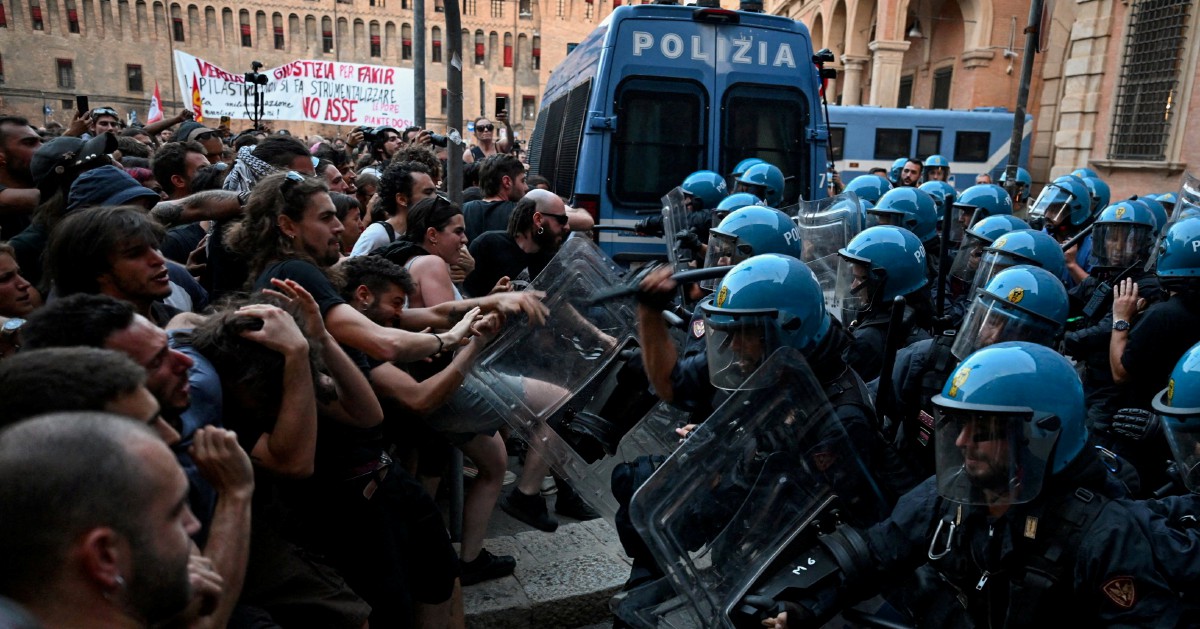
The death has catalysed street protests across Italy, with demonstrators expressing anger over what many perceive as excessive force or inadequate protection of vulnerable individuals during police operations. The protests represent a broader anxiety in Italian society regarding policing standards and the treatment of migrants and foreign nationals within the country's criminal justice system. Such mobilisations often signal public concern that extends beyond the individual case to encompass systemic questions about due process and human rights protections.
For Malaysian and Southeast Asian observers, this incident serves as a reminder of the challenges that nationals face when they travel or reside abroad, particularly when involved with law enforcement. The case underscores the importance of robust consular support and international diplomatic channels in ensuring citizens receive fair treatment in foreign jurisdictions. Similar concerns have emerged in the region regarding how migrants and workers from Southeast Asian countries are treated in destination nations.
The Moroccan government's response demonstrates how countries increasingly assert their citizens' rights within the international arena. By demanding full clarification, Morocco has made clear that it will not accept opaque explanations or inadequate investigations into the deaths of its nationals. This assertiveness reflects a growing pattern among developing nations in holding established democracies to account regarding police conduct and treatment of foreign nationals.
Italy has long grappled with questions about police reform and accountability mechanisms. The Meloni government inherited longstanding debates about how law enforcement agencies operate, particularly in urban centres like Rome where arrest operations frequently occur. The call for "the truth" signals recognition that public confidence in institutions depends on transparent investigation and credible findings, regardless of whether those findings ultimately vindicate or criticise police conduct.
The incident arrives at a moment when Italy continues to receive significant migration flows from North Africa and Sub-Saharan Africa, making immigration and migrant welfare key political topics. The death in custody thus intersects with broader narratives about migration policy, integration, and the social contract between authorities and vulnerable populations. How Italian institutions respond to this case may influence public perception of how the country treats newcomers and foreign nationals.
Morocco, as a significant source of migration to Italy and other European nations, holds considerable leverage in international relations with Rome. Diplomatic frictions over the treatment of Moroccan nationals in Italian custody could have ramifications for cooperation on migration management, security matters, and economic ties. This dimension explains why Morocco's formal request for clarification carries weight beyond the immediate criminal investigation.
Investigations into deaths during police operations typically examine whether appropriate procedures were followed, whether force used was proportionate, and whether medical assistance was adequately provided. The public nature of this inquiry will likely determine whether it satisfies demands from Morocco, civil society organisations, and Italian citizens concerned about policing practices. The transparency with which Italian authorities conduct the investigation will signal their commitment to accountability and may influence the credibility of their findings.
For the broader European context, the case reflects ongoing tensions between security concerns and human rights protections. How Italy navigates these questions influences not only bilateral relations with Morocco but also Italy's standing within the European Union on matters of police conduct and migrants' rights. The incident may prompt discussions about harmonising standards and practices across member states regarding arrest procedures and custody safeguards.
The street protests demonstrate that public opinion in Italy itself remains divided on policing matters and sensitive to perceptions of unfair treatment during law enforcement operations. These demonstrations can galvanise political attention and sometimes lead to policy reviews or prosecutorial decisions that might otherwise receive less scrutiny. The visibility of public concern about this death means that Italian authorities face domestic pressure to match Morocco's demands for thorough investigation.
Beyond the immediate case, the incident highlights how individual deaths in custody can acquire diplomatic dimensions in an increasingly interconnected world. Nations now actively engage in scrutinising how their citizens are treated abroad, and international media attention amplifies pressure for accountability. Malaysia and other Southeast Asian nations similarly monitor cases involving their citizens in foreign custody, knowing that credible investigations and fair outcomes strengthen protection frameworks for their nationals.
The coming weeks will reveal how thoroughly Italian investigators pursue answers and whether findings satisfy both Morocco's government and domestic critics seeking systemic change in policing practices. The case serves as a test of Italy's commitment to transparency and accountability in law enforcement, with implications extending across diplomatic, legal, and social dimensions.

