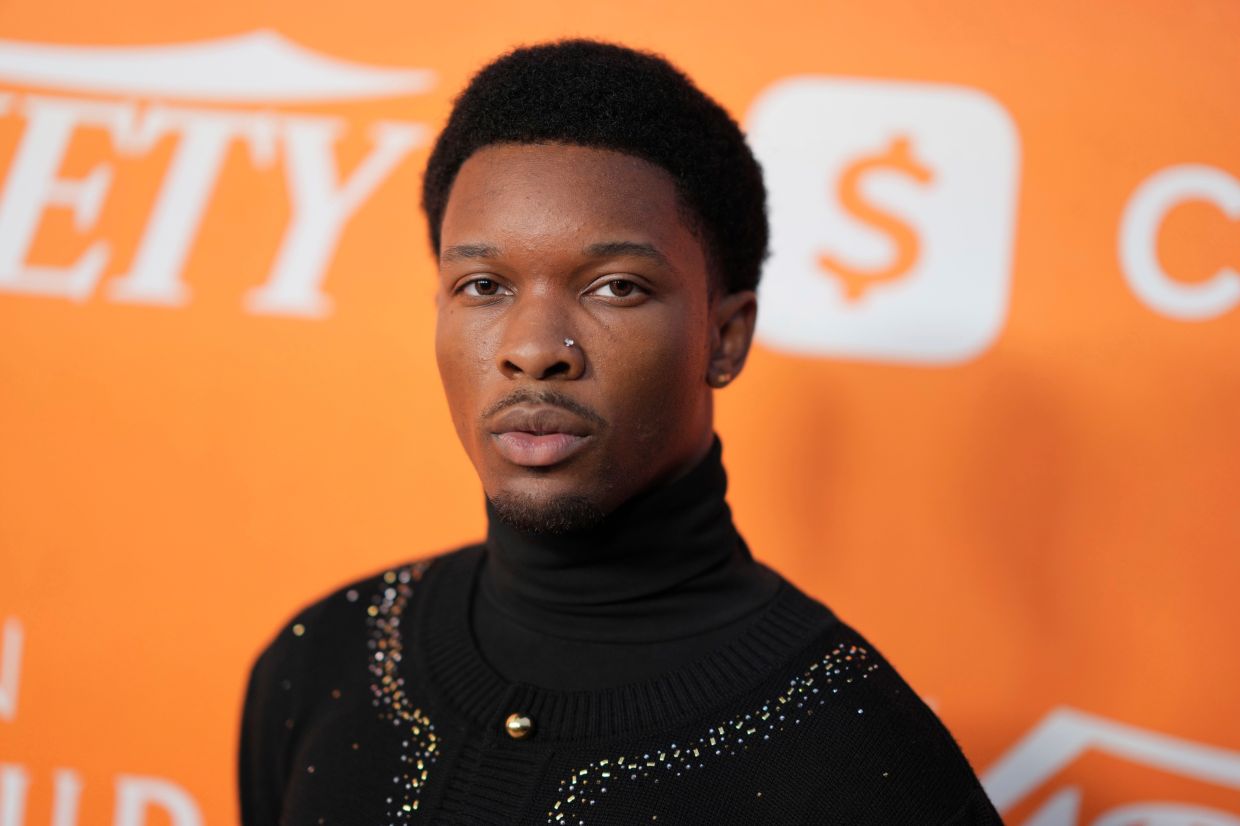
A preliminary hearing in Los Angeles has exposed disturbing details surrounding the death of a teenage girl whose decomposed remains were discovered in the trunk of a vehicle belonging to US singer D4vd. Police Detective Joshua Byers testified on July 21 that the body found in Burke's Tesla had deteriorated so extensively that identifying facial features became impossible, presenting a grim picture of how long the remains had been concealed before discovery in September 2025.
D4vd, the stage name of 21-year-old David Anthony Burke, stands accused of multiple serious offences including murder in what authorities describe as the death of Celeste Rivas Hernandez. The victim's body was recovered just days before what would have been her fifteenth birthday, according to court records. The charges against Burke carry potentially severe consequences, with prosecutors indicating they will seek either life imprisonment or capital punishment upon conviction.
Byers described the gruesome discovery when law enforcement accessed the trunk at a tow yard, noting that the distinctive odour of human decomposition was immediately recognisable. Photographs presented during the hearing depicted the remains separated into multiple bags, with the victim's head and torso contained in one black bag. When questioned about the state of the remains, Byers testified that skin slippage from advanced decomposition had rendered facial recognition impossible, underlining the extended period the body had remained undiscovered.
Further testimony revealed additional disturbing details about the remains. The victim's arms and legs were discovered in a separate container where evidence of biological activity was apparent. Byers noted the presence of insect remains and larvae, indicating that decomposition had progressed through multiple stages during the time the body remained hidden. This testimony established a timeline of concealment that extended weeks rather than days, suggesting deliberate efforts to avoid discovery.
During the court appearance, Burke remained emotionally detached as the photographic evidence was displayed to the judge and prosecutors. Dressed in an orange prison jumpsuit, the singer showed no visible reaction to the graphic images presented as evidence of the alleged crime. Body camera footage played during the proceeding captured Burke telling sheriff's deputies that the victim had claimed to be eighteen years old, a statement contradicted by prosecution allegations that he initiated sexual contact when she was merely thirteen.
Prosecutors constructed a narrative of exploitation spanning years, alleging that Burke first encountered the girl when she was only eleven years old. According to their account, the relationship became sexual when she reached thirteen, constituting continuous criminal conduct under California law. The victim's mother reported her disappearance in 2024, triggering an investigation that would eventually uncover the tragic outcome. Prosecutors argue that Burke murdered the girl after she threatened to expose their long-standing illegal relationship, which posed an existential threat to his entertainment career and financial interests.
Financial motivation featured prominently in the prosecution's case theory. Benjamin Greger, Burke's former financial manager, testified that the singer generated between US$10 million and US$11 million in gross income from his music career between 2023 and 2025. This substantial revenue stream, prosecutors suggest, provided a concrete incentive for Burke to silence the victim before she could damage his professional reputation and earning potential. The motive narrative painted by the state positioned financial self-interest as the driving factor behind the alleged homicide.
Burke's legal response has centred on denial. He has rejected one count each of murder, continuous sexual abuse of a child under fourteen years of age, and unlawful mutilation of human remains. His defence strategy remains undisclosed at this preliminary stage, though the severity of the charges and evidence presentation suggest a challenging path forward. The preliminary hearing itself serves as a crucial procedural checkpoint, determining whether sufficient evidence exists to advance the case toward trial.
Los Angeles chief prosecutor Nathan Hochman indicated that the preliminary hearing would extend across three to five days of testimony and evidence presentation. Hochman publicly stated confidence in meeting the legal threshold of probable cause necessary to bind Burke over for trial on all three felony charges. This assessment reflects the strength of the physical evidence and witness testimony the prosecution has assembled, though the actual trial remains months away.
The case raises profound questions about predatory behaviour, exploitation dynamics, and systemic failures to protect vulnerable minors. The allegations suggest a pattern of grooming and abuse that persisted for years before culminating in the victim's death. For Malaysian and Southeast Asian observers, the case underscores the vulnerability of young people to manipulation by individuals with significant public platforms and financial resources, regardless of geographic boundaries. The proceedings ahead will determine whether the evidence sustains the serious allegations or whether reasonable doubt emerges during full trial proceedings.

