The Malaysian Defence Ministry has moved to address parliamentary scrutiny over the RM571.9 million payment to Norway's Naval Strike Missile supplier, asserting that the funds were released in accordance with contractual milestones rather than as a premature advance. The clarification comes amid broader concerns about the Littoral Combat Ship project's trajectory following Norway's revocation of the export licence for the anti-ship system.
According to MINDEF's response tabled in Parliament, the timing of the payment aligned with tangible progress in the NSM procurement. When the Malaysian government released the funds, all missile systems destined for the Royal Malaysian Navy had completed manufacturing and successfully cleared the rigorous testing protocols established by the RMN. The systems were prepared for immediate delivery to Malaysia, a circumstance that substantially distinguishes the transaction from a speculative advance payment made before material obligations were fulfilled.
The defence establishment has pushed back against allegations that the procurement agreement lacked adequate protective mechanisms for Malaysia's financial interests. MINDEF contended that the contract incorporates standard safeguard clauses permitting the government to pursue remedial action should the Norwegian supplier fail to perform or breach its obligations. These provisions form the legal foundation upon which Malaysia is now anchoring its recovery strategy, as the ministry indicated its intention to invoke contractual remedies to reclaim the payment and seek damages for losses incurred.
The Norwegian government's decision to revoke the export licence represents an external shock beyond the direct control of either the Malaysian authorities or the Norwegian defence contractor, MINDEF argued. This distinction carries importance for apportioning responsibility and understanding the contractual landscape. While the licence revocation has created a significant impediment to the project's completion, the ministry maintains that the initial payment was made in good faith under circumstances where the supplier had demonstrably delivered on its manufacturing and testing obligations. The fundamental issue now centres on whether Malaysia can compel restitution through contractual enforcement mechanisms.
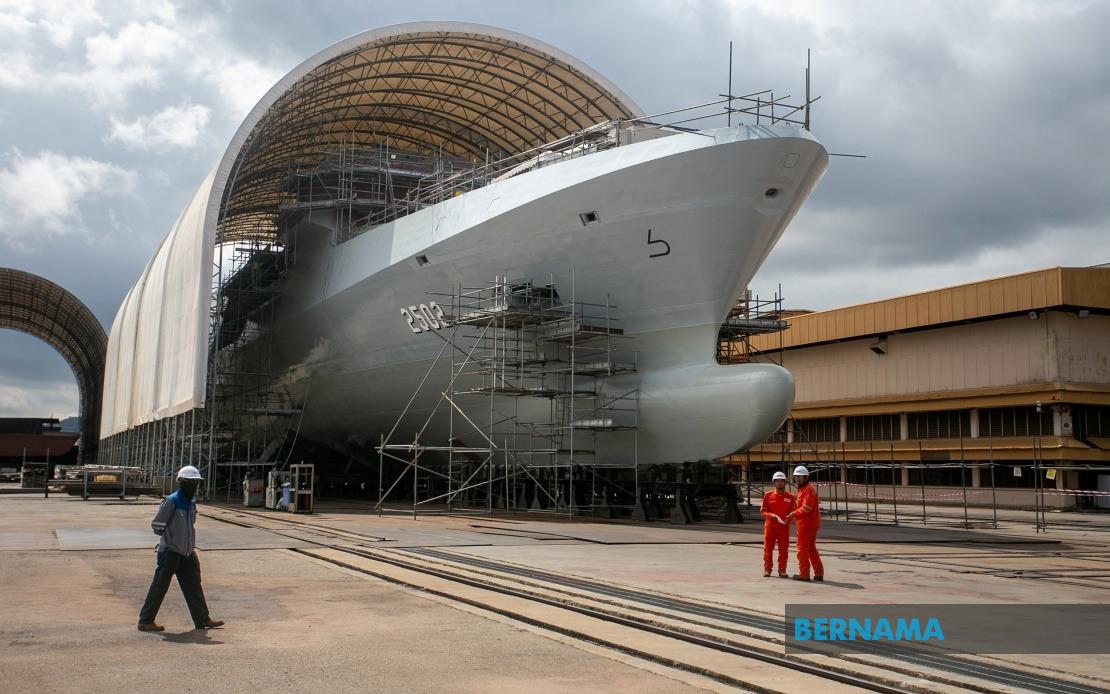
The NSM system was specifically selected to arm Malaysia's new Littoral Combat Ships, modern naval vessels designed to enhance the country's capacity to project power and maintain security across its territorial waters. The LCS represents a substantial strategic investment in naval modernisation, intended to bolster Malaysia's maritime defence posture amid an increasingly contested regional environment. The disruption to the NSM integration has therefore extended beyond a simple financial embarrassment to encompass implications for the Navy's operational effectiveness and the broader defence modernisation timeline.
Responding to separate parliamentary enquiries, MINDEF sought to contain anxieties about the immediate operational impact of the NSM setback. The ministry stressed that the licence revocation has not materially degraded the Malaysian Armed Forces' current combat readiness, emphasising that the RMN retains existing weapons platforms and systems capable of fulfilling maritime sovereignty protection missions. This reassurance is particularly significant given regional tensions and the critical importance of credible naval capabilities for a maritime nation such as Malaysia.
Regarding the LCS delivery schedule itself, MINDEF indicated that the licence revocation does not directly obstruct the timeline for receiving the ships themselves. The vessels are being constructed and supplied through separate contractual arrangements, and their delivery trajectory remains on track. However, the absence of the NSM systems means the LCS will arrive without their intended primary anti-ship armament, a capability gap that the Navy must address through alternative solutions.
The ministry revealed that the RMN is presently engaged in evaluating and assessing substitute missile systems that could potentially replace the NSM platform on the LCS vessels. This substitution process introduces new variables into the project's financial and technical architecture. Any alternative system would require compatibility assessments, potential modifications to ship systems, crew training protocols, and integration testing. The timeline and cost implications of identifying and implementing a replacement system remain unclear, introducing uncertainty into defence planning and budgeting cycles.
The NSM dispute illustrates the complexities inherent in major defence procurement involving international partners, particularly when geopolitical considerations intersect with commercial arrangements. Malaysia's defence establishment must navigate not only the contractual mechanisms available to recover funds but also the diplomatic dimensions of pressing claims against a NATO ally at a moment when bilateral relations extend across multiple strategic domains. The balance between financial accountability and broader strategic partnerships represents a delicate calculation for Malaysian policymakers.
For Malaysia's defence sector and maritime strategy more broadly, the situation underscores the importance of contract protections, supplier diversification, and contingency planning in major acquisitions. The RMN's pursuit of alternative missile systems should accelerate, whether through modification of existing systems compatible with LCS architecture or exploration of entirely different platforms. This process will likely shape Malaysia's defence procurement approach going forward, potentially emphasising suppliers less subject to sudden export restrictions or geopolitical intervention.
The parliamentary scrutiny surrounding the NSM payment reflects legitimate public interest in ensuring defence expenditures deliver value and that government agreements adequately protect national interests. MINDEF's articulation of contractual protections and progress-based payment logic provides a framework for understanding the transaction, though resolution of the broader dispute with Norway and recovery of funds remain outstanding challenges requiring sustained diplomatic and legal engagement.

