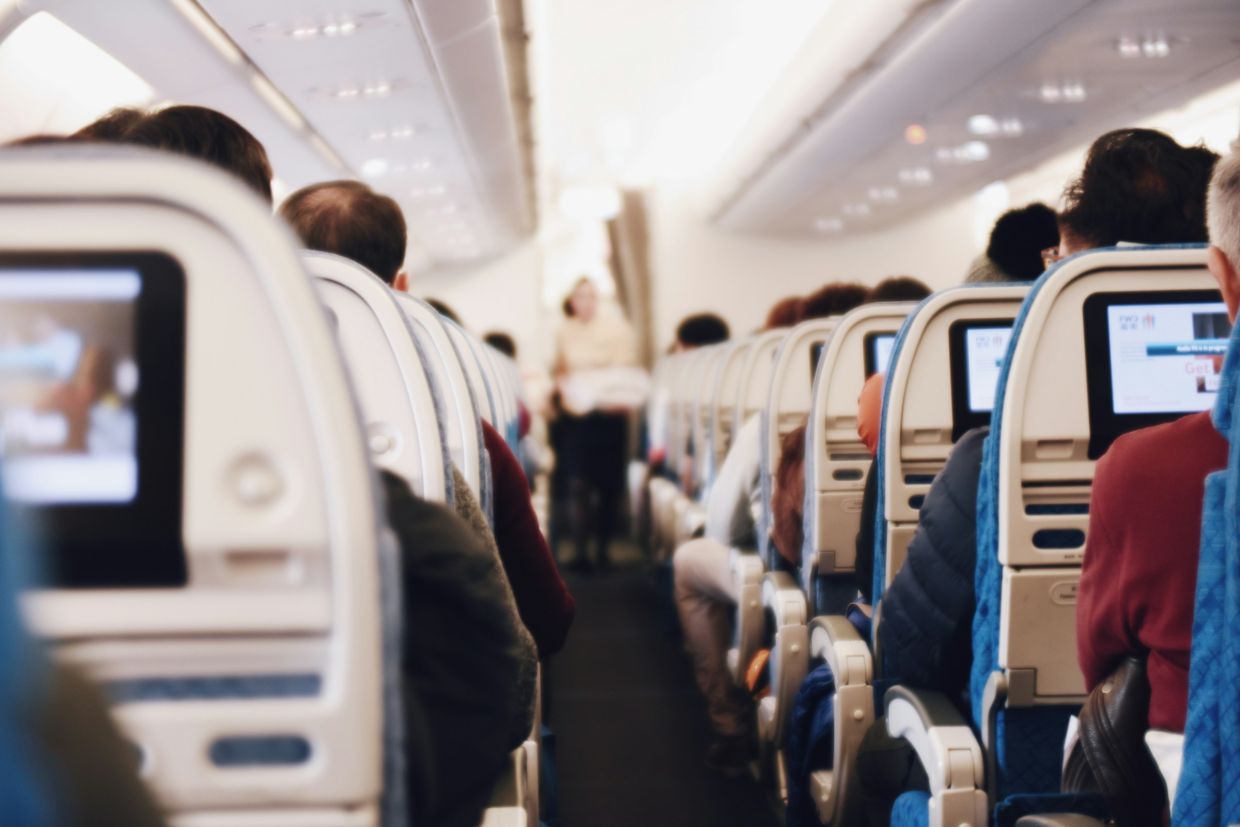
Delta Air Lines has launched a formal investigation into an unauthorised WiFi network that emerged aboard one of its aircraft during a flight from Las Vegas to Atlanta on August 10, just hours after the conclusion of Def Con, the world's largest cybersecurity and hacking conference. The incident prompted flight crew to temporarily disable the Boeing 757's WiFi system for approximately 30 minutes while authorities assessed the situation, though airline officials have stressed that no Delta operating systems were compromised and no emergency was declared by air traffic control personnel.
According to Morgan Durrant, a Delta spokesperson, the airline is collaborating closely with federal law enforcement and aviation regulators to examine the unauthorised network activation, which remained active only briefly. In a statement issued on August 11, Durrant emphasised that passenger and flight safety remained uncompromised throughout the incident and that no critical aircraft operating systems were affected by the anomalous WiFi activity. The airline indicated that a comprehensive investigation would require considerable time to complete as it gathers relevant evidence and details surrounding the occurrence.
The Federal Bureau of Investigation has confirmed awareness of reports concerning the potential WiFi-related incident and stated that it is maintaining contact with local and corporate partners to develop a fuller understanding of what transpired. However, FBI representatives declined to elaborate further on the nature of the investigation or any preliminary findings. Simultaneously, the Federal Aviation Administration has indicated it is reviewing the circumstances of the event, with agency officials noting that even a successful breach of an onboard WiFi system would not create a direct threat to a flight's essential safety infrastructure.
Delta Flight 591 completed its journey to Atlanta without incident, arriving safely despite the brief WiFi disruption. The timing of the episode is particularly noteworthy given that Las Vegas had just hosted Def Con, an annual gathering that attracts thousands of cybersecurity professionals, ethical hackers, and technology enthusiasts from around the globe. Conference organisers have indicated they had not yet been contacted by Delta or law enforcement but acknowledged they would be launching their own internal investigation into whether any attendees were involved in the incident.
Def Con spokesperson Monika Hathaway stated in response to inquiries that the conference maintains a strict policy against illegal activities and that any attendee found to have participated in unauthorised network intrusions would face permanent expulsion from future events. Hathaway's comments underscore the distinction the conference attempts to maintain between legitimate cybersecurity research and criminal conduct, a boundary that has long been central to debates within the hacking community about responsible disclosure and the ethics of penetration testing.
Cybersecurity experts have highlighted how relatively straightforward such WiFi disruption attacks can be to execute. Lennart Koopmann, founder of cybersecurity firm Nzyme, which specialises in defending against close-range cyberattacks, explained that the technique typically involves two components: first disrupting an existing WiFi network, and then establishing a counterfeit access point that mimics the legitimate system. Once passengers connect to the fraudulent network, an attacker can potentially intercept unencrypted data transmitted by connected devices, including emails, messages, and other sensitive information.
The tools required to conduct such an attack have become increasingly accessible to non-specialists. Koopmann noted that battery-powered devices capable of executing these attacks are commercially available and cost approximately US$250 (RM1,022), making them affordable for curious individuals without significant technical expertise. These same devices are routinely employed by authorised security professionals conducting legitimate penetration testing and vulnerability assessments for organisations seeking to identify weaknesses in their wireless networks.
Based on the incident's characteristics, Koopmann suggested that the most probable scenario involves a passenger who possessed such a device deciding to test it during the flight, either out of curiosity or as a demonstration to fellow travellers. This assessment aligns with the confined nature of the incident and its relatively short duration, which suggests an individual rather than a coordinated effort by sophisticated threat actors seeking to compromise airline systems or passenger data at scale.
The incident carries important implications for airline cybersecurity practices and raises questions about how effectively carriers can defend their wireless infrastructure in an environment where attack tools are becoming cheaper and easier to deploy. While modern aircraft maintain substantial separation between passenger-facing WiFi systems and critical flight control systems, the visibility of such incidents highlights the ongoing challenge airlines face in securing their networks while maintaining passenger connectivity services that have become expected amenities on long-haul flights.
For Malaysian and Southeast Asian travellers, the incident underscores the importance of exercising caution when connecting to WiFi networks during air travel. Security experts consistently recommend avoiding sensitive transactions such as banking or accessing confidential corporate information while using public wireless networks aboard aircraft. The event also demonstrates why airlines and regulators worldwide continue to invest in understanding and mitigating emerging cybersecurity threats, even when immediate danger to flight safety appears minimal.
The investigation by Delta, the FBI, and FAA will likely yield insights into how effectively current aviation security protocols can detect and respond to such anomalous network activity. As commercial aviation continues integrating more connected systems and passenger-facing technology, the balance between convenient digital services and robust security measures remains an ongoing challenge for the industry. The outcome of this investigation may influence how other carriers approach WiFi security and what protocols they establish for responding to future incidents of this nature.

