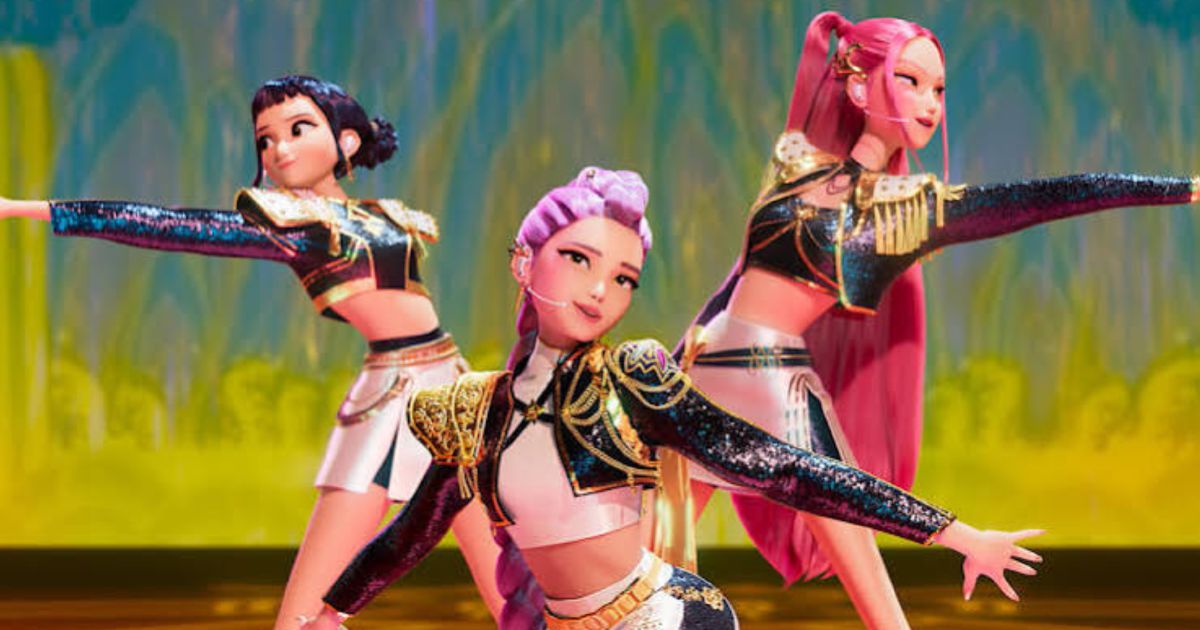
The Los Angeles-based Christian heavy metal band Demon Hunter has initiated legal proceedings against Netflix, alleging that the streaming platform's animated series KPop Demon Hunters violates their trademark rights. The lawsuit represents an escalating dispute over intellectual property in the entertainment sector, where streaming platforms' aggressive content development strategies have increasingly collided with established music and entertainment brands seeking to protect their identities and commercial interests.
Demon Hunter, which has built a substantial following across North America since its formation in the early 2000s, argues that the Netflix production's title creates confusion among consumers and unlawfully capitalizes on the band's established brand recognition. The band contends that prospective viewers might mistake the animated feature for content officially endorsed by or affiliated with Demon Hunter, despite the series being a K-pop-themed animated production unrelated to the band's music or artistic direction.
Netflix's KPop Demon Hunters has become one of the platform's most commercially successful animated projects, attracting significant viewership numbers across multiple markets. The series combines elements of Korean pop culture with fantasy adventure storytelling, targeting demographic segments that have proven highly lucrative for streaming services. However, its commercial performance and broad distribution reach have made it a focal point for the trademark dispute, as the band argues the show's prominence amplifies the potential for consumer confusion and brand dilution.
The trademark infringement claim raises broader questions about how established entertainment brands can protect their intellectual property in an environment where streaming platforms operate with considerable creative latitude. For Malaysian and Southeast Asian viewers, this case illustrates the complex intersection between international copyright law, streaming culture, and the global entertainment marketplace where content originates from diverse sources but reaches audiences across borders instantaneously.
Demon Hunter's legal action suggests the band views the similarity between the title and their established brand as sufficiently problematic to warrant formal court intervention. The rock band has maintained an active touring schedule and recording career, with a dedicated fanbase that recognizes the Demon Hunter brand across merchandise, concert promotions, and digital platforms. The band's legal team likely believes that allowing Netflix to use a title incorporating "Demon Hunter" without challenge could weaken their ability to enforce trademark protections in the future.
Netflix has faced comparable intellectual property challenges in other jurisdictions, though the outcome of such disputes varies significantly depending on trademark law applicability in specific regions and the strength of evidence demonstrating actual consumer confusion or commercial harm. The streaming platform's legal defense will probably emphasize that KPop Demon Hunters is sufficiently distinct in context, target audience, and thematic content that reasonable consumers would not confuse it with Demon Hunter the band, and that the series' success derives from its Korean pop culture orientation rather than any association with the American metal group.
The case also reflects changing dynamics in how entertainment properties generate value and maintain competitive advantage. A decade ago, disputes of this nature might have resolved quietly through licensing agreements or title modifications. Today, with streaming services investing hundreds of millions in content development and brand-building, intellectual property confrontations are increasingly litigated publicly, signaling to investors and competitors how aggressively companies will defend their positions.
For Demon Hunter, the lawsuit serves multiple strategic purposes beyond the specific legal claims involved. It reinforces the band's active stewardship of their intellectual property, demonstrates commitment to their fanbase regarding brand integrity, and positions them as unwilling to be overshadowed by major corporate entities. The band's ability to pursue litigation of this magnitude also reflects their financial stability and industry standing, distinguishing them from smaller musical acts that might lack resources for comparable legal action.
The timing of the lawsuit deserves consideration within broader entertainment industry trends. K-pop content has experienced explosive growth across streaming platforms globally, with Netflix making substantial investments in Korean-language programming. This strategy has proven commercially successful but has simultaneously created situations where international properties intersect with pre-existing trademarks. Demon Hunter's decision to litigate suggests confidence in the merits of their claim, though the outcome remains uncertain and will likely depend on nuanced legal determinations about trademark distinctiveness and actual likelihood of consumer confusion.
Regional implications exist for Malaysian audiences and Southeast Asian entertainment consumers who increasingly encounter international content disputes through streaming platforms. These cases establish precedents affecting how intellectual property rights are enforced across borders and whether streaming platforms face meaningful legal constraints on content titling decisions. For creators and rights holders in Southeast Asia, the Demon Hunter case demonstrates the importance of proactive trademark registration and enforcement in international markets where streaming platforms operate under unified global strategies.
The dispute also highlights tensions between content creators' legitimate interests in protecting established brands and streaming platforms' desire for creative autonomy in developing original programming. As Southeast Asian entertainment industries continue expanding their international presence, similar trademark confrontations may become more common, particularly as local creators gain prominence on global platforms and seek to protect their intellectual property from appropriation or confusion with major productions.

