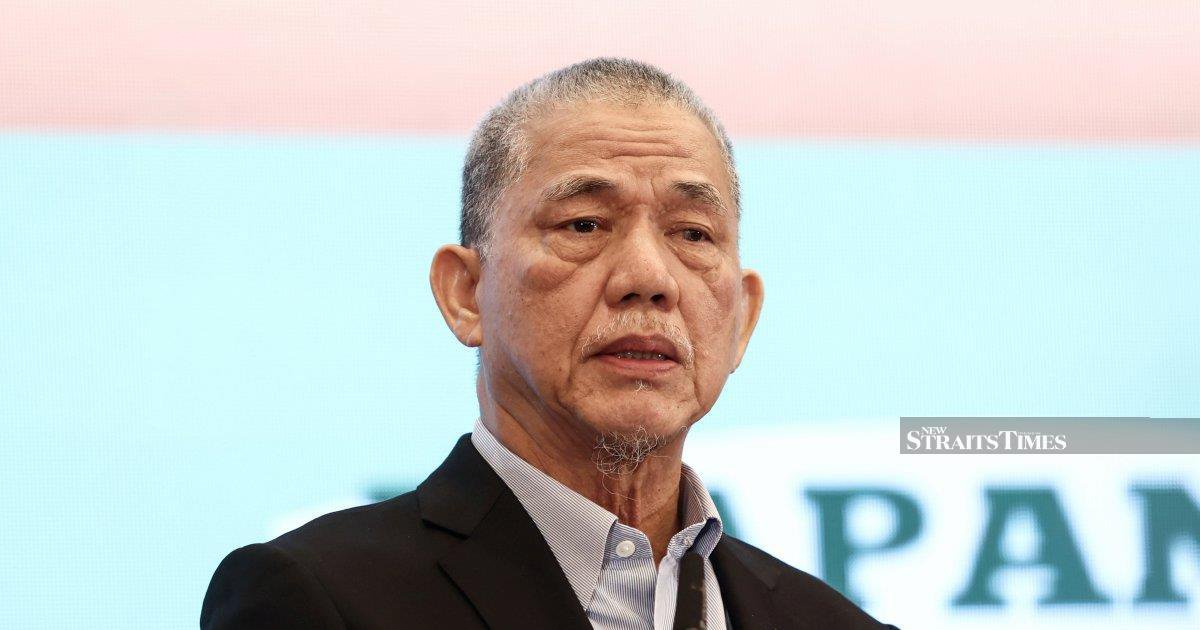
Deputy Prime Minister Datuk Seri Fadillah Yusof is making a steady recovery following a successful coronary artery bypass grafting procedure conducted at the National Heart Institute on August 12. The surgical intervention, a complex cardiovascular procedure, addressed blockages in the nation's senior political leadership at a critical time when the government faces mounting domestic challenges and regional responsibilities.
Coronary artery bypass grafting represents one of the most significant cardiac interventions available to surgeons, typically reserved for patients with severe arterial blockages that cannot be managed through less invasive methods. The procedure involves grafting healthy blood vessels harvested from elsewhere in the body to circumvent damaged or narrowed coronary arteries, thereby restoring adequate blood supply to the heart muscle. The National Heart Institute, Malaysia's premier cardiac care facility, has performed thousands of such operations and maintains high success rates in complex cases involving senior patients.
The timing of Fadillah's surgical intervention carries implications for Malaysia's political stability and governance continuity. As Deputy Prime Minister, Fadillah holds significant responsibilities across multiple government portfolios and plays a crucial coordinating role within the cabinet structure. His temporary absence from active duties during the recovery phase necessitates careful redistribution of his responsibilities among other senior ministers to ensure no disruption to critical government functions and policy implementation.
The recovery trajectory following CABG surgery varies considerably depending on individual factors including age, pre-operative fitness levels, comorbid conditions, and the complexity of the surgical procedure itself. While initial hospital recovery typically spans one to two weeks for uncomplicated cases, full functional restoration can require several months of structured rehabilitation, graduated physical activity, and careful monitoring of cardiac parameters. Medical teams typically implement comprehensive post-operative protocols combining pharmaceutical management, physiotherapy, and lifestyle modifications to optimize long-term outcomes.
For high-ranking government officials, recovery from major surgery presents unique challenges that extend beyond standard medical considerations. The demands of executive leadership, frequent travel, extended working hours, and high-stress decision-making require careful timing before resuming full duties. Medical advisors must balance the political pressure for quick return to work against clinical evidence regarding safe activity escalation, ensuring the Deputy Prime Minister's health remains protected while national governance capacity is maintained.
Cabinet-level illness or surgical intervention in developed democracies and developing nations alike triggers contingency protocols designed to preserve governmental continuity. Malaysia's constitutional framework and established procedures provide mechanisms for temporary delegation of authority and assumption of duties by other ministers, ensuring that critical functions including defence, security, economic policy, and international relations remain adequately managed during periods when senior officials are unavailable due to health circumstances.
The National Heart Institute's involvement in Fadillah's case underscores Malaysia's significant progress in developing world-class medical facilities capable of handling complex cardiac cases that previously would have required treatment abroad. Over recent decades, the institute has emerged as a regional centre of excellence, attracting cardiac specialists and state-of-the-art equipment while training successive generations of Malaysian cardiovascular surgeons and cardiologists. This institutional capacity reduces the need for political leaders and other high-level patients to seek treatment overseas, contributing to economic efficiency and maintaining continuity of leadership during medical crises.
The successful outcome of Fadillah's surgery reflects broader improvements in cardiac care outcomes across Southeast Asia. Modern surgical techniques, enhanced anaesthetic protocols, superior imaging capabilities, and refined post-operative management have substantially reduced complication rates and mortality associated with major cardiac procedures. Even patients in their seventies and eighties now routinely undergo complex cardiac interventions with outcomes previously considered exceptional.
Beyond the individual case, Fadillah's health challenge raises broader questions about succession planning and institutional resilience within Malaysia's political structure. The unexpected incapacity of senior leaders through illness or accident has prompted many governments to establish clearer protocols regarding temporary authority transfer, ensuring that critical decisions can be made promptly without constitutional ambiguity. Malaysia's experience with Fadillah's recovery period will provide valuable evidence regarding the effectiveness of existing arrangements and may inform refinements to future succession protocols.
For Southeast Asian observers, the Deputy Prime Minister's medical situation illustrates how cardiovascular disease affects not only ordinary citizens but also national leadership. Rising prevalence of heart disease across the region, driven by urbanization, sedentary lifestyles, dietary changes, and population ageing, has begun impacting governance and institutional capacity. Many governments now recognize health promotion and preventive cardiology among senior officials as elements of national security and stability planning.
The recovery process unfolding at the National Heart Institute will be monitored closely by colleagues, parliament members, and the broader Malaysian public. While medical privacy considerations appropriately limit detailed disclosure about Fadillah's clinical status, periodic updates regarding his progress serve important functions in reassuring stakeholders about governmental continuity and demonstrating confidence in Malaysia's medical institutions. The successful trajectory of his recovery also provides encouraging evidence for other Malaysians facing similar cardiac conditions, reducing stigma and promoting timely seeking of appropriate medical care.
As Fadillah continues his rehabilitation, focus will remain on balancing his physical recovery requirements with gradually re-engaging in governmental responsibilities. Medical teams will employ cardiac rehabilitation protocols specifically adapted for high-stress executive roles, helping the Deputy Prime Minister recover both physical capacity and mental acuity necessary for demanding ministerial duties. His return to full-time service, likely occurring over coming weeks, will represent an important milestone in confirming the success of the surgical intervention and the effectiveness of Malaysia's advanced cardiac care infrastructure.

