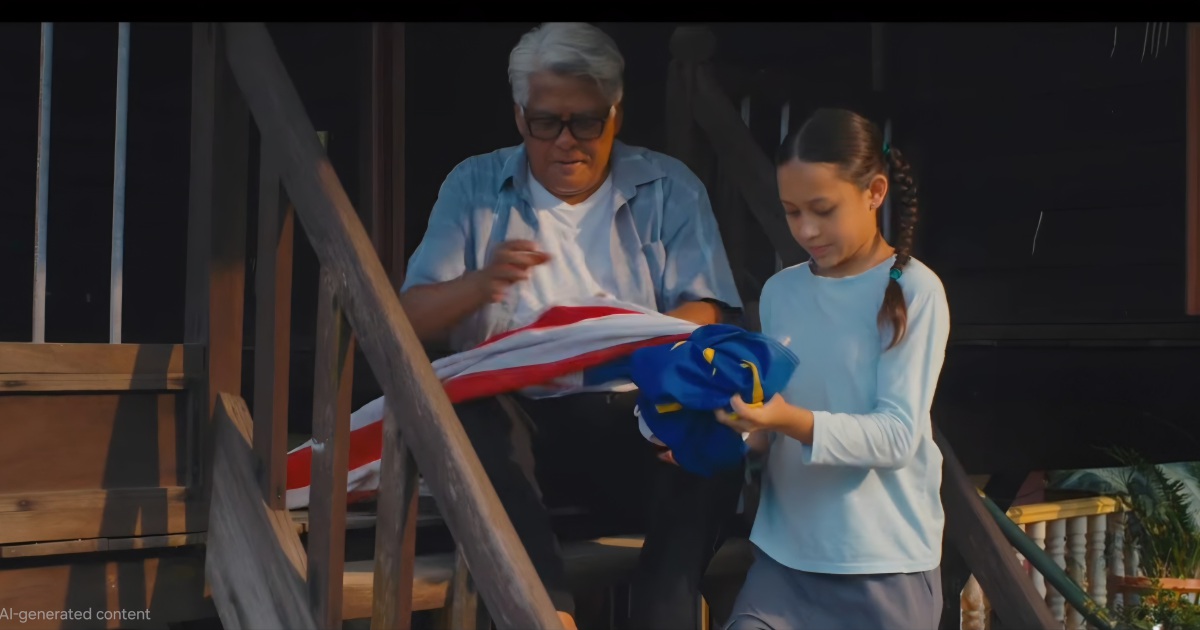
During Malaysia's most patriotic season, Deputy Prime Minister Datuk Seri Fadillah Yusof has captured public attention with an emotional video message posted to his official Facebook channel. The eight-minute production, released as the nation observes Hari Kebangsaan, has struck a profound chord with diverse Malaysian audiences, signalling a broader appetite for political messaging centred on cohesion and collective identity rather than division.
The video's central thesis—that Malaysia fundamentally belongs to all of its citizens—represents a notable emphasis within the government's current communications strategy. Rather than focusing on divisive partisan interests or narrow communal concerns, Fadillah's framing positions the nation's future as intrinsically linked to the ability of different groups to coexist meaningfully. This messaging arrives at a moment when social fragmentation and online polarisation continue to challenge the social fabric, making appeals to shared belonging particularly resonant with audiences seeking leadership voices that transcend ethnic and religious silos.
The production's emotional register distinguishes it within the typically formulaic landscape of official government content. By eschewing grandiose nationalism in favour of intimate, personal reflection, the Deputy Prime Minister crafts a narrative that feels accessible to ordinary Malaysians rather than remotely official. This stylistic choice suggests a deliberate pivot toward humanising political communication—an approach that younger, digitally-engaged citizens particularly appreciate when confronted with traditional governmental pronouncements.
Social media response has amplified the video's reach beyond what conventional broadcast channels might achieve. Facebook's algorithmic distribution, combined with organic sharing among users who found the message resonant, has generated grassroots momentum. This organic engagement pattern differs markedly from top-down campaign dissemination, indicating that audiences voluntarily chose to circulate content they perceived as meaningful rather than responding to coordinated promotional efforts. The distinction matters for understanding how contemporary political messaging achieves legitimacy and penetration.
For Malaysian audiences accustomed to political rhetoric organised around communal lines, the inclusive framing carries particular significance. The nation's history—spanning competing nationalism narratives, constitutional arrangements protecting distinct community interests, and periodic tensions over resource distribution—has created conditions where unity appeals can seem either cynical or genuinely transformative depending on their sincerity and consistency. Fadillah's video enters this complex landscape at a time when voters increasingly demand that leaders address national concerns in ways acknowledging all citizens' legitimate stakes in the country's direction.
The timing of the release during Hari Kebangsaan amplifies its symbolic weight. Independence Day celebrations inherently invite reflection on founding principles and national purpose, making it an opportune moment for politicians to reframe their vision of Malaysian identity. By aligning his message with this commemorative season, Fadillah positions inclusive governance not as a trendy departure from tradition but rather as a return to foundational values that transcend partisan or sectional interests.
From a broader Southeast Asian perspective, Malaysia's approach to managing multicultural society—however imperfectly realised—has long held regional significance. Neighbouring countries facing their own ethnic and religious diversity look toward Malaysian experiences, both successes and failures, as potential models or cautionary tales. Messaging from senior government figures emphasising radical inclusion therefore carries implications beyond domestic audiences, subtly projecting an image of the nation as one capable of navigating diversity constructively.
The video's resonance also reflects generational shifts in Malaysian political culture. Younger citizens, particularly those coming of age in the post-2018 era of political volatility and democratic experimentation, appear more receptive to leaders who articulate positive visions of national belonging rather than defending narrow sectional positions. This demographic shift means that communication strategies emphasising unity and mutual respect increasingly determine political viability, even among establishment figures operating within traditional power structures.
Critics might observe that such messaging, while emotionally compelling, requires implementation through concrete policy choices and institutional reforms. Appeals to belonging carry limited weight if unaccompanied by genuine efforts to address systemic inequities or ensure equitable resource distribution across communities. The Deputy Prime Minister's video therefore functions simultaneously as both heartfelt statement and implicit promise that inclusive rhetoric will translate into tangible governance outcomes. Whether subsequent policy decisions substantiate this messaging will ultimately determine its lasting impact on public confidence in political leadership.
The broader significance of this moment lies in how it demonstrates the continued appetite among Malaysian audiences for political voices articulating shared national purpose. Amid polarisation, misinformation, and communal fragmentation that dominate much online discourse, a straightforward message affirming collective belonging resonates powerfully. This receptiveness suggests pathways toward rebuilding social consensus if pursued with authenticity and backed by institutional commitment. For observers monitoring Malaysia's trajectory as a multiethnic democracy navigating complex identity politics, Fadillah's video offers both an encouraging indication of public values and a measure against which future government action will inevitably be assessed.

