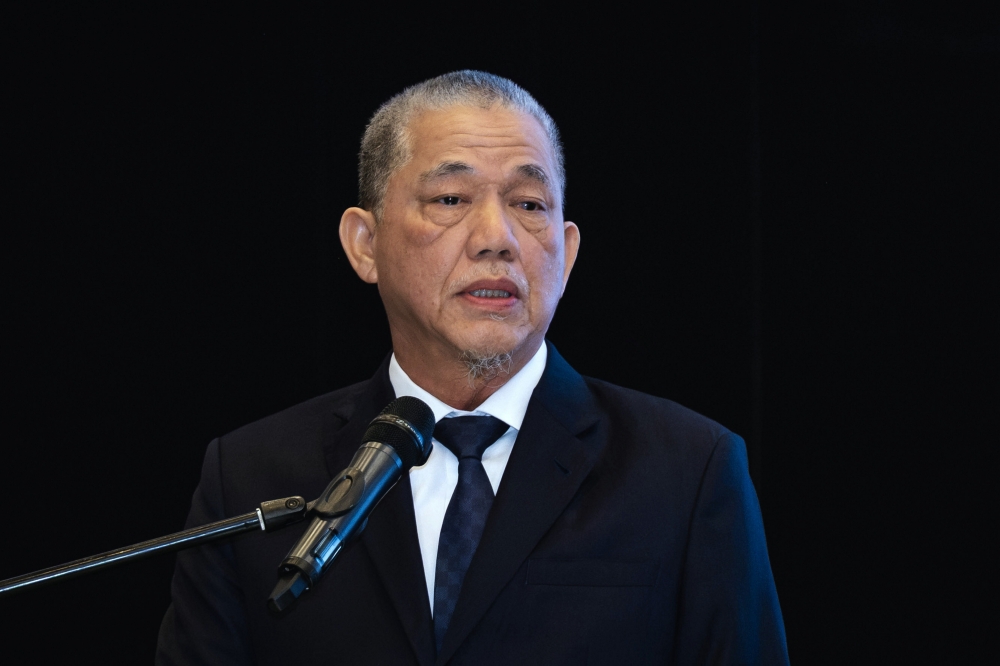
Malaysia's Deputy Prime Minister Datuk Fadillah Yusof will undergo coronary artery bypass grafting (CABG) surgery at the National Heart Institute (IJN) in Kuala Lumpur, marking a significant interim period for the nation's second-highest political office. The procedure, which addresses blockages in the heart's blood vessels, represents a critical medical intervention requiring substantial recovery time and will necessitate temporary arrangements for handling his ministerial responsibilities.
The timing of the surgery creates important implications for Malaysia's governance structure during what promises to be an extended convalescence period. As deputy prime minister, Fadillah Yusof holds a position central to the administration's functioning, overseeing multiple portfolio responsibilities that require active management. The surgical intervention, while medically necessary, underscores the personal health challenges that senior political figures occasionally encounter whilst maintaining demanding public responsibilities.
Fadillah Yusof has represented Muar in Johor for many years and has served in various ministerial capacities throughout his political career. His elevation to the deputy prime minister's role reflected his standing within the ruling coalition and his experience navigating Malaysia's complex political landscape. The announcement of his health condition and forthcoming surgery demonstrates the transparency expected of senior government officials regarding matters affecting their capacity to perform official duties.
The National Heart Institute, where the procedure will take place, stands as Malaysia's leading cardiac care facility and specialises in complex heart surgeries including bypass operations. IJN's reputation for excellence in cardiovascular treatment both domestically and regionally provides confidence in the quality of medical intervention Fadillah Yusof will receive. The choice reflects the availability of world-class healthcare facilities within Malaysia's public health system, capable of handling procedures of this complexity and significance.
Coronary artery bypass surgery typically involves significant recovery periods, during which patients gradually resume their normal activities under strict medical supervision. For a senior government official, this timeline raises questions about the duration and extent of any temporary assumption of duties by other cabinet members. The coordination of these interim arrangements will require careful planning to ensure continuity in handling critical policy matters and international commitments.
The deputy prime minister position carries substantial weight in Malaysia's political hierarchy, particularly given its involvement in economic policy, infrastructure development, and domestic security matters. The temporary transfer of responsibilities to other senior ministers will demand seamless coordination to prevent disruption to ongoing governmental functions. The cabinet would need to identify which colleagues assume specific portfolios or participate in urgent decision-making processes during this interim period.
From a regional perspective, Fadillah Yusof's surgical absence during recovery may influence Malaysia's participation in multilateral engagements and bilateral meetings with neighbouring countries. ASEAN activities, trade negotiations, and security dialogues sometimes involve participation at the deputy prime minister level, potentially requiring delegation to other officials during his recuperation. This underscores how personal health matters of individual senior leaders can have broader implications for a nation's diplomatic engagement.
The public disclosure of Fadillah Yusof's health condition reflects evolving expectations regarding transparency in government, particularly concerning the health status of individuals in high office. Unlike previous eras when such matters might have remained private, contemporary standards increasingly expect accountability and openness when health issues affect a leader's capacity to execute responsibilities. This transparency also reassures the public and international observers regarding governmental continuity and proper planning for succession during absences.
For Malaysian citizens and observers, the announcement reinforces awareness of the demanding nature of senior government positions and the physical toll that extensive responsibilities can impose. The news also highlights the importance of healthcare access and advanced medical facilities available domestically, demonstrating Malaysia's capacity to provide treatment for complex cardiac conditions without requiring officials to seek procedures abroad. This capability reflects decades of investment in healthcare infrastructure and medical expertise.
The recovery period following bypass surgery typically spans several weeks to months, depending on individual circumstances and the complexity of the procedure performed. During this time, Fadillah Yusof will require gradual return to full operational capacity, potentially limiting his participation in physically demanding activities and extended international travel. The specific timeline for his resumption of full deputy prime ministerial duties will likely emerge following the surgery and initial recovery phase.
From a succession planning perspective, this situation, though temporary, provides an opportunity for other senior cabinet members to demonstrate their capacity for elevated responsibilities. The manner in which the government manages this interim period will reflect organisational preparedness and the strength of Malaysia's institutional systems for handling leadership gaps, even those expected to be temporary. Effective coordination during this period could strengthen public confidence in the cabinet's ability to function cohesively regardless of individual absences.
The broader context includes Malaysia's ongoing economic challenges, security concerns, and regional positioning—all matters that require continuous attention from the highest levels of government. The deputy prime minister's temporary incapacity thus occurs within a complex political and economic environment where continuity of strategic decision-making remains essential. The government's success in maintaining momentum on key initiatives during Fadillah Yusof's recovery will largely determine whether this interim period represents merely a pause or a more disruptive interruption in policy execution.
Fadillah Yusof's situation also serves as a reminder of the importance of succession planning and institutional resilience in any government structure. Malaysia's political system, like all nations, must prepare for circumstances where senior officials become temporarily unavailable, whether through illness, travel, or other unexpected events. The management of this transition will test the administration's flexibility and the depth of capable leadership available to assume critical functions during emergencies or planned absences.

