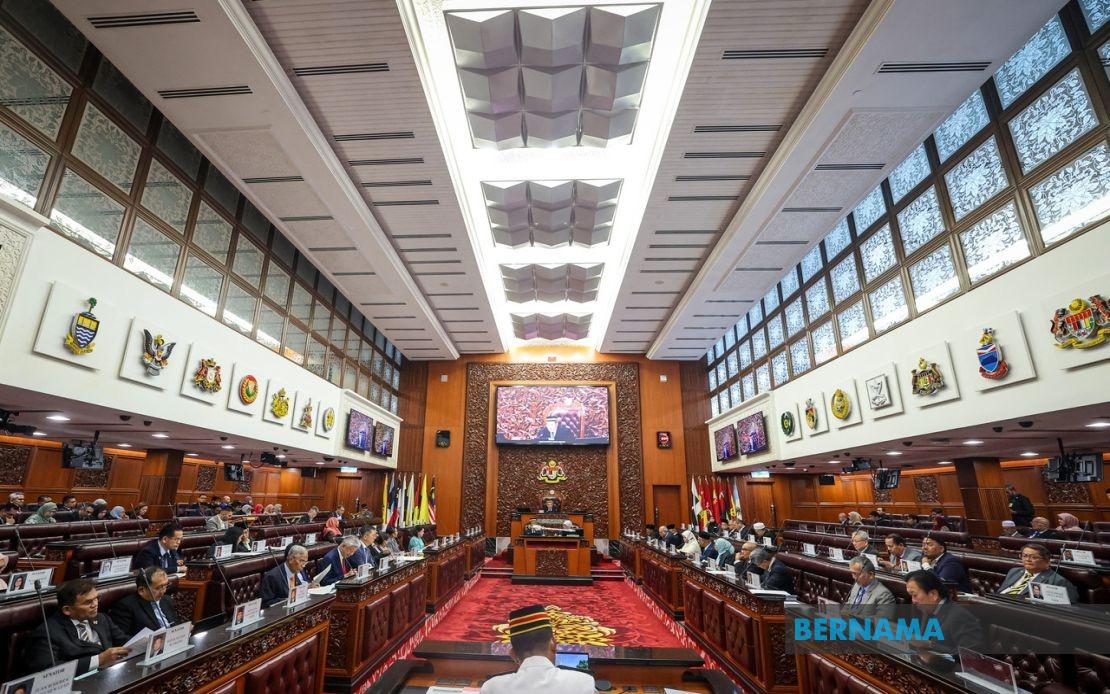
The Dewan Negara brought its Second Meeting of the Fifth Term to a close on August 4 after a productive 10-day sitting that resulted in the passage of 12 pieces of legislation. The session, which commenced on July 20, demonstrated the upper chamber's active role in the legislative process, with senators addressing not only bills but also critical policy matters affecting Malaysia's economic and social landscape.
Among the most significant bills approved was the Cybercrimes Bill 2026, a measure aimed at strengthening the nation's digital security framework at a time when cyber threats continue to evolve in sophistication and scope. The Road Transport Amendment Bill 2026 and Witness Protection Amendment Bill 2026 represent efforts to modernise existing legal frameworks and enhance protections for vulnerable parties in the justice system. Sexual offences legislation also received attention through the Sexual Offences against Children Amendment Bill 2026, reflecting growing parliamentary focus on child protection amid rising awareness of exploitation risks.
The competitive landscape received considerable legislative attention during the session. The Competition Amendment Bill 2026 and companion Competition Commission Amendment Bill 2026 aim to ensure Malaysia's business environment remains fair and robust, particularly as domestic enterprises face intensifying pressures from global market forces. These measures signal the government's commitment to protecting fair play principles that underpin a healthy market economy.
Practical sectors essential to Malaysian life also featured prominently in the legislative agenda. The Padi and Rice Control Amendment Bill 2026 addresses food security and agricultural sustainability, two concerns of paramount importance to rural constituencies and national self-sufficiency. The Communications and Multimedia Amendment Bill 2026 and its accompanying Malaysian Communications and Multimedia Commission Amendment Bill 2026 reflect the need to keep pace with rapidly shifting telecommunications and digital landscapes. Additionally, the National Trust Fund Bill 2026, Social Work Profession Bill 2026, and Statistics Bill 2026 rounded out the legislative package, addressing financial administration, professional standards in social services, and data governance respectively.
Beyond legislative business, the Dewan Negara employed an adjournment debate format to canvas two substantive motions of government concern. Notably, this marked the first employment of Standing Order 16 adjournment procedures since 2022, reviving a mechanism for senators to address pressing issues without full legislative vehicles. One motion centred on the economic threat posed by extreme cross-border e-commerce platforms, specifically naming Pinduooduo and Temu as examples of foreign digital retailers disrupting Malaysia's micro, small and medium enterprise sector and broader retail economy. This debate reflected mounting anxieties among local business communities about their ability to compete with deep-pocketed, loss-leading international platforms.
The second adjournment motion concerned electoral access, specifically calling for early voting or postal voting mechanisms to be extended to auxiliary police personnel. This proposal touches on citizenship rights and the practical challenges faced by security workers who may struggle to participate in democratic processes under conventional polling arrangements. The willingness of senators to debate such issues demonstrates the Dewan Negara's responsiveness to occupational and administrative concerns.
Dewan Negara Speaker Datuk Awang Bemee Awang Ali Basah, in remarks concluding the session, underscored the institutional value of the chamber's diverse membership. He noted that senators representing various professional backgrounds and regional constituencies brought distinct perspectives that enriched the legislative check-and-balance process and elevated the quality of law-drafting. Such observations underscore the intended role of the upper house as a considered counterbalance to the more directly elected lower chamber, where deliberation rather than pure numerical majority governs outcomes.
The speaker's closing remarks also connected the legislative session to broader national observances, invoking both National Day and Malaysia Day celebrations as occasions to reaffirm commitment to constitutional governance and national unity. His emphasis on defending sovereignty, upholding the Federal Constitution's supremacy, maintaining rule of law, and preserving social cohesion reflects a parliamentary mood conscious of both institutional strengths and fragilities in Malaysia's diverse democracy. These themes resonate particularly at a moment when questions about economic inequality, digital disruption, and inclusive governance demand sustained legislative attention.
For Malaysian observers and regional watchers of Southeast Asian governance, the session's composition and outcomes offer several insights. The breadth of legislative coverage—spanning cybersecurity, agriculture, competition law, social services, and communications—demonstrates Malaysia's parliament attempting to address contemporary challenges across multiple sectors. The revisitation of adjournment debate procedures signals institutional flexibility and a desire to engage pressing policy concerns outside narrow legislative channels. Meanwhile, the explicit concern about foreign e-commerce platforms reflects anxieties increasingly voiced across Southeast Asia, where local retailers and traditional businesses feel threatened by capital-intensive international competitors.
The passage of 12 bills in a 10-day sitting represents a respectable legislative pace, particularly given the depth of debate evident in the adjournment motions. As Malaysia navigates post-pandemic economic recovery, digital transformation, and evolving security threats, the legislative framework itself requires continual refinement. The Dewan Negara's recent session, through its diverse agenda, indicates parliamentary institutions remain engaged with that ongoing process, even as questions persist about whether legislative pace and scope adequately address the velocity of change in Malaysian society.

