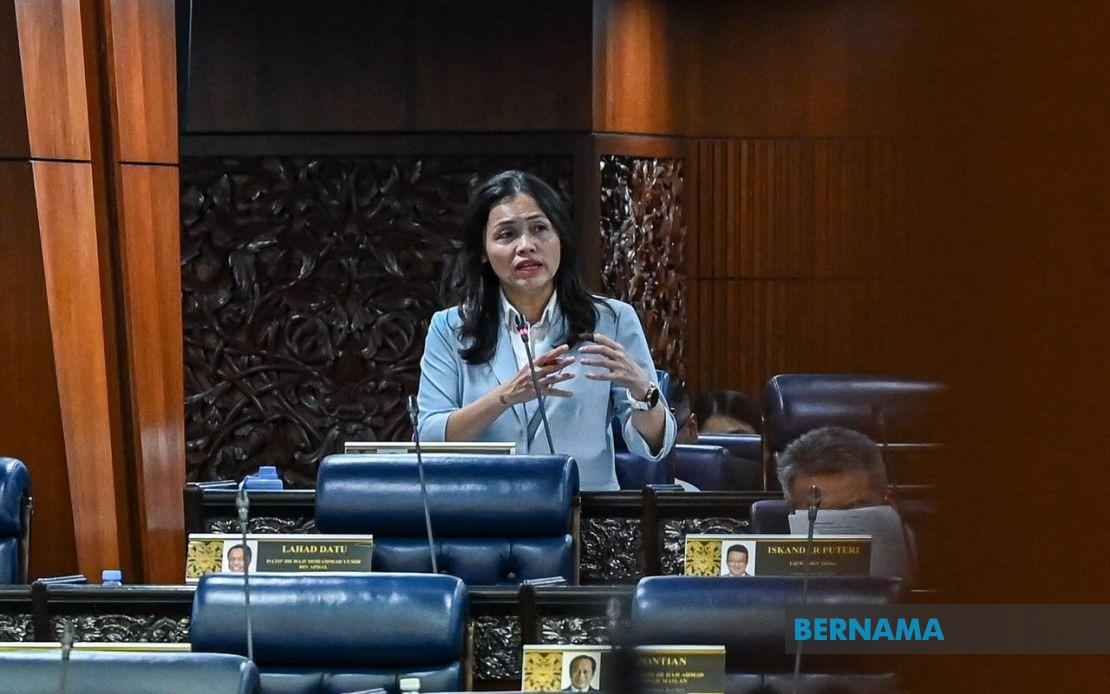
The Dewan Rakyat has given its approval to the Communications and Multimedia (Amendment) Bill 2026, signalling Parliament's commitment to modernising Malaysia's digital regulatory framework. The legislation passed on July 15 without opposition, having received support through a majority vote following substantive debate from 18 members of parliament. The amendments represent a strategic response to the accelerating pace of technological innovation and shifting geopolitical realities that have fundamentally altered how nations approach digital infrastructure and security.
Deputy Communications Minister Teo Nie Ching framed the legislative changes as essential to keeping Malaysia's communications and multimedia legal framework aligned with contemporary challenges. She explained that the amendments are designed to address not only rapid technological developments but also geopolitical shifts and the nation's increasing dependency on critical digital infrastructure for economic and social functions. The government has deliberately calibrated these reforms to avoid extending regulatory reach into areas already covered by other government agencies, maintaining clear boundaries between different institutional mandates.
At the heart of the amendments lies the introduction of national security considerations into the National Universal Service Provision (USP) initiative, a newly established mechanism intended to enhance the overall security, resilience, reliability and continuity of Malaysia's communications infrastructure. This integration represents a deliberate policy choice to embed protective measures directly into the framework governing how network facilities are installed and how communication services are delivered throughout the country. The approach reflects growing international recognition that digital infrastructure security cannot be treated as an afterthought but must be woven into foundational policy architecture.
A significant concern that arose during parliamentary deliberations centred on the financial implications for ordinary Malaysian consumers. Deputy Minister Teo directly addressed apprehensions that implementing the USP initiative might result in additional charges being passed through to users. She provided assurances that the USP Fund, which finances the initiative, relies exclusively on contributions paid by licensees operating under the existing legislative framework, with revenues used solely to establish network facilities and deliver related services. This ringfenced funding mechanism means that the costs cannot migrate to consumer bills regardless of how the programme develops.
The amendments carry particular significance for Malaysia's diverse geography and the challenge of ensuring equitable digital access. Members of parliament representing constituencies in less developed regions voiced strong support for provisions designed to extend communications coverage to underserved communities. Datuk Suhaimi Nasir, representing Libaran in Sabah, underscored that no area of the country should remain without reliable communications access, emphasising that stable networks become critically important during emergencies and natural disasters when rapid deployment of rescue and humanitarian assistance depends on functional telecommunications infrastructure.
Rural and remote area connectivity emerged as a priority across multiple parliamentary contributions. The legislation specifically targets regions with limited existing communications coverage and services, recognising that Malaysia's development cannot be inclusive if digital access remains concentrated in urban centres. For island communities, interior settlements and coastal villages scattered across Sabah and other parts of Malaysia, the USP initiative represents a potential pathway to improved telecommunications access. The government's commitment to financing this through licensee contributions rather than budget allocations or consumer charges demonstrates a deliberate policy choice about burden-sharing.
Parallel concerns were raised about the stewardship of existing resources earmarked for communications development. Datuk Mohd Suhaimi Abdullah, the Langkawi MP, requested that the Communications Ministry publicly disclose the current balance held in the Kumpulan Wang USP and provide detailed projections for how accumulated funds will be allocated. This scrutiny reflects parliamentary diligence in ensuring that new legislative frameworks do not inadvertently divert resources previously committed to rural infrastructure development. Transparency about fund management has become essential to maintaining political consensus around the amendments.
The legislative package also incorporates perspectives on cybersecurity threats facing Malaysian citizens and businesses. Datuk Shahelmey Yahya from Putatan raised the increasingly urgent issue of digital manipulation techniques, proposing that authorities regularly publish updated definitions of emerging manipulation methods so that the public can implement appropriate defensive measures for protecting personal information and financial transactions. This suggestion reflects recognition that cybersecurity is not purely a government responsibility but requires informed citizen participation and awareness.
Stronger institutional capacity in cybersecurity expertise emerged as another parliamentary theme. Lawmakers called for the Malaysian Communications and Multimedia Commission to deepen its in-house technical capabilities in cybersecurity, ensuring that the regulator itself possesses sufficient expertise to understand evolving threats and guide industry standards. This reflects a broader concern that regulatory agencies must maintain technical sophistication comparable to both the challenges they oversee and the international best practices they reference.
The passage of these amendments represents Malaysia's effort to position its communications regulatory framework within contemporary global standards while accounting for the nation's specific geographic, economic and security circumstances. The legislative package attempts to balance multiple objectives: modernising oversight mechanisms, embedding security into infrastructure provision, extending digital access to underserved populations, maintaining fiscal responsibility through ringfenced funding, and strengthening institutional capacity for emerging threats. How effectively these amendments achieve those multiple aims will likely depend on implementation quality and ongoing parliamentary oversight of the USP initiative's development.

