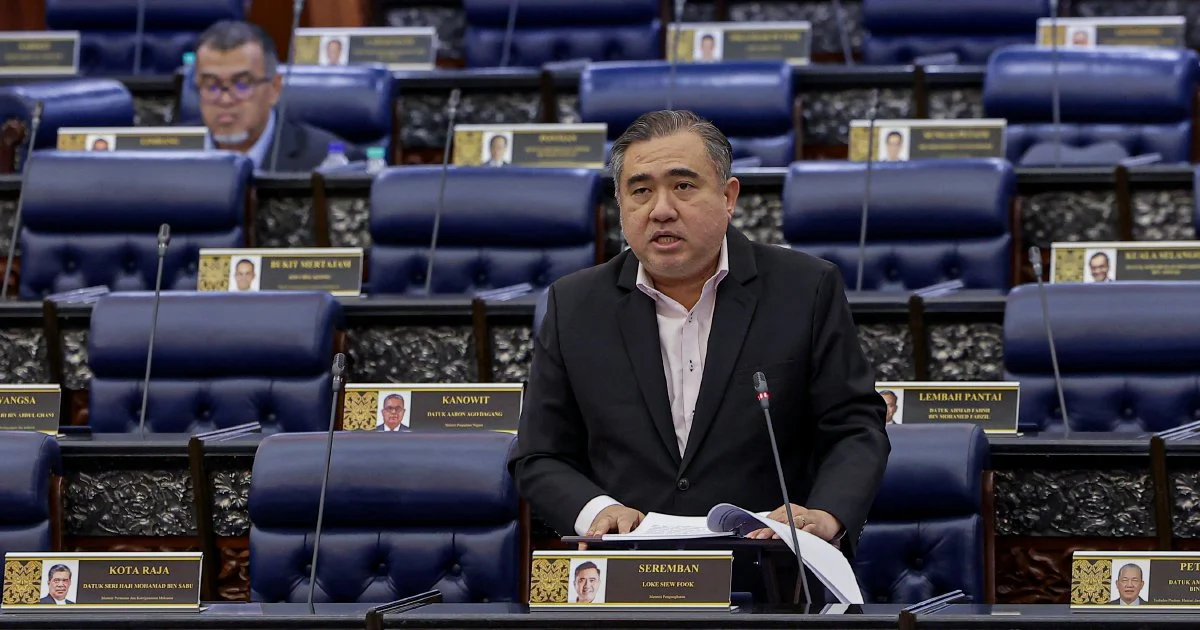
Malaysia's lower house of parliament has given its approval to the Road Transport (Amendment) Act 2026, marking a significant milestone in the legislative modernisation of the nation's road transport framework. The passage through the Dewan Rakyat signals parliament's commitment to equipping regulatory bodies with enhanced tools to address contemporary challenges on Malaysian roads. This development arrives at a time when road safety, vehicle standards, and transport compliance have moved increasingly into the spotlight of public discourse and governance priorities across the region.
The amendment builds upon the foundational Road Transport Act 1987, legislation that has governed Malaysia's vehicle registration, licensing, and operational standards for nearly four decades. By introducing revised regulatory provisions and expanded enforcement mechanisms, lawmakers have responded to evolving concerns about inadequate oversight capacity and the need for modernised compliance frameworks. The original 1987 legislation, while comprehensive for its era, has gradually become insufficient to address contemporary issues including rapid technological advancement in vehicles, changing patterns of road usage, and emerging threats to transport safety and security.
Strenthening enforcement powers represents the cornerstone of this legislative initiative. Regulatory authorities will gain new tools to monitor vehicle standards, driver behaviour, and transport operator compliance with greater precision and efficiency. These enhanced powers extend across multiple domains: from more rigorous vehicle inspection protocols to improved mechanisms for tracking operator misconduct and implementing proportionate sanctions. For Malaysian motorists and transport businesses, this translates into a system designed to identify and address violations more comprehensively, potentially creating a more level playing field where compliant operators face reduced unfair competition from those cutting corners.
The implications for road safety merit particular attention. Improved regulatory reach and enforcement capacity can theoretically translate into better identification of unsafe vehicles before they cause accidents. Enhanced mechanisms for driver licensing and monitoring may facilitate more effective intervention in cases of chronic traffic violations or dangerous driving patterns. Malaysia's road fatality statistics have long concerned public health officials and safety advocates, and legislative reforms addressing systemic enforcement gaps represent an important component of multi-pronged safety improvement strategies.
For the transport and logistics sectors, the amendment introduces both opportunities and challenges. Companies operating within strict compliance frameworks will encounter a more predictable regulatory environment where standards enforcement is consistent and transparent. However, operators with weaker compliance records or outdated fleet management systems may face significant pressure to upgrade practices and infrastructure. The construction industry, which depends heavily on transport services, and the e-commerce sector, which relies on final-mile delivery networks, will experience ripple effects as transport operators adjust to new regulatory demands and associated compliance costs.
The expanded regulatory framework also addresses inter-state transport operations and cross-border considerations increasingly relevant in ASEAN's integrated transport networks. Malaysian buses, lorries, and commercial vehicles operating across regional routes will operate within a more clearly defined and enforced regulatory structure. This standardisation facilitates regional harmonisation of transport standards and may support future ASEAN cooperation agreements aimed at streamlining cross-border vehicle movement while maintaining safety and security standards.
From a governance perspective, this amendment reflects evolving parliamentary attention to technical and regulatory matters. Rather than treating transport legislation as routine administrative housekeeping, the Dewan Rakyat's deliberate consideration of modernised enforcement mechanisms suggests recognition that effective governance in transport requires continuous legislative adaptation. The amendment process itself demonstrates parliamentary responsiveness to stakeholder concerns from safety advocates, transport industry representatives, and public interest groups who have advocated for regulatory modernisation.
Implementation timing will prove crucial in determining the amendment's real-world effectiveness. Regulatory authorities must develop detailed operational procedures, train enforcement personnel, establish digital systems supporting the expanded monitoring capabilities, and communicate clearly with affected stakeholders about new compliance requirements. Successful transition from legislative approval to functional improvement depends substantially on adequate resource allocation and institutional capacity within the Road Transport Department and related agencies tasked with enforcement responsibilities.
The amendment also carries implications for vehicle manufacturers and importers operating in Malaysia. Enhanced regulatory standards may necessitate modifications to vehicle specifications, documentation requirements, or periodic compliance verification procedures. Foreign and domestic manufacturers will need to monitor regulatory guidance documents closely to ensure their vehicles and operational systems conform to new requirements. This regulatory certainty, while potentially increasing compliance costs, also provides clarity for business planning and investment decisions.
Civil society organisations focused on road safety have long advocated for precisely this type of legislative strengthening. The passage through parliament validates concerns that existing regulatory frameworks contained gaps exploitable by non-compliant operators. Consumer advocates and accident prevention groups view enhanced enforcement mechanisms as essential steps toward reducing preventable road trauma. The amendment thus represents tangible response to civil society pressure and evidence-based arguments about deficiencies in existing regulatory reach.
Looking forward, stakeholders await implementation guidelines and operational procedures that will translate legislative authority into practical enforcement improvements. The Road Transport Department and associated agencies face the complex challenge of deploying new powers effectively while maintaining proportionality and fairness in their application. Public communication campaigns will likely accompany implementation, informing vehicle owners and transport operators about modified compliance requirements and available transition support.
Regional observers will monitor how Malaysia's enhanced road transport regulatory framework influences neighbouring countries. If implementation proves successful in improving safety outcomes and compliance rates, the legislative model may attract interest from other ASEAN nations facing similar transport governance challenges. Conversely, implementation difficulties would inform lessons about the practical constraints in modernising complex transport regulatory systems across developing and middle-income economies.
The Dewan Rakyat's passage of the Road Transport (Amendment) Act 2026 concludes one legislative chapter while opening another focused on effective implementation and measurable outcomes. Success will ultimately be judged not by the legislation itself but by whether strengthened regulatory frameworks genuinely produce safer roads, more compliant transport operations, and more confident public trust in Malaysia's transport systems.