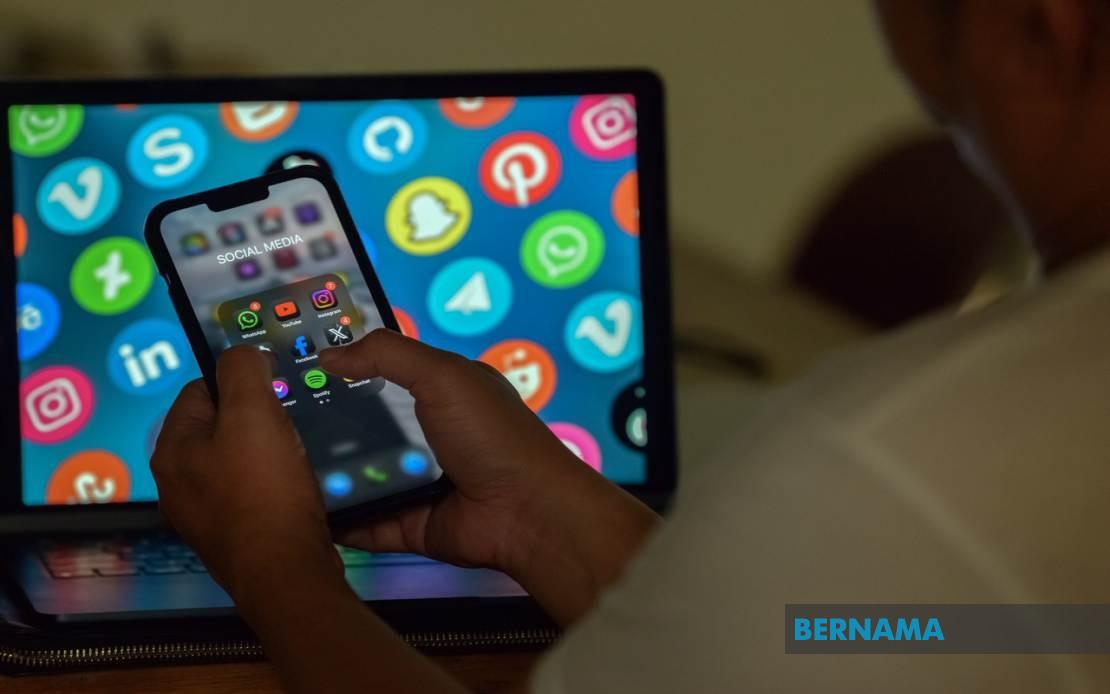
With polling day for the Negeri Sembilan state election set for August 1, candidates across the political spectrum have made a decisive pivot towards digital campaigning, recognising that social media now rivals—and in many cases supersedes—traditional ground operations in reaching voters. The shift reflects a fundamental transformation in how Malaysian politicians connect with constituents, moving beyond conventional walkabouts and printed materials to embrace an array of online platforms that collectively offer unprecedented access to the electorate's attention.
The three major political coalitions contesting the election—Pakatan Harapan, Barisan Nasional, and Perikatan Nasional—have all invested heavily in social media infrastructure, recognising that the state's 889,490 registered voters are increasingly scattered across multiple digital channels. This fragmentation of the voter audience has forced candidates to develop sophisticated, multi-platform strategies rather than relying on any single medium, a complexity that underscores the maturation of electoral politics in Malaysia's digital age.
What distinguishes the current campaign from previous electoral cycles is the sophisticated segmentation of messaging by demographic cohorts. Rather than broadcasting uniform messaging across all platforms, candidates have identified that older voters, including those classified as Baby Boomers and Gen X, congregate predominantly on Facebook and YouTube, where longer-form content and community discussion threads remain the norm. This generational divide in platform preference has created distinct communication challenges: a message effective on Facebook may fall completely flat on TikTok, requiring candidates to essentially run parallel campaigns simultaneously.
Younger voters, particularly those aged 18 to 25 who represent the Gen Z demographic, demonstrate markedly different consumption patterns, gravitating toward TikTok, Instagram Reels, and Threads where brevity, visual impact, and entertainment value determine whether content gains traction. This generational split has prompted campaigns to abandon lengthy policy speeches in favour of short-form video content that mirrors the entertainment-first approach these platforms reward algorithmically. The transition has been neither instantaneous nor uniform, with some established politicians struggling to adapt while younger candidates navigate these channels with greater instinctive ease.
The creative strategies deployed across these platforms reveal a deliberate effort to humanise candidates beyond their political personas. Menteri Besar and PH Linggi candidate Datuk Seri Aminuddin Harun has documented personal moments including morning prayers and casual breakfast meetings with residents, effectively presenting himself as a relatable figure engaged in ordinary life rather than merely a distant political authority. Similarly, his motorcycle-based community visits convey accessibility and willingness to meet constituents on their own terms, a narrative that carries particular weight in rural and semi-rural constituencies within Negeri Sembilan.
The deployment of Point of View videos, trending audio clips, and behind-the-scenes content reflects a fundamental departure from how Malaysian politicians traditionally communicated. Rather than presenting carefully choreographed official appearances, candidates increasingly embrace spontaneity and authenticity—or at least the appearance thereof—as a signal that they operate within the same cultural universe as younger voters. This approach carries inherent risks: authenticity can backfire spectacularly on social media, and the pressure to remain constantly present and engaged online represents a new form of campaign labour that extends far beyond traditional election periods.
Particular candidates have developed distinctive digital personas suited to their personal backgrounds and constituencies. Dr Azizul Hakim Mahdi, contesting the PH Paroi seat, leverages his medical credentials by offering free health screenings to senior citizens and documenting these activities on social media, thereby converting community service into campaign narrative. This approach aligns clinical expertise with electoral ambition, suggesting that voters benefit materially from his candidacy while simultaneously building his political brand. Such integrated campaigns blur the boundary between genuine public service and electoral positioning, a phenomenon that characterises modern digital campaigning across the region.
Barisan Nasional candidates have adopted similarly sophisticated strategies, with figures like Datuk Seri Mohamad Hasan and Datuk Seri Jalaluddin Alias showcasing their own campaign activities and community engagement through social media channels. The apparent convergence in tactics across different political coalitions suggests that digital campaigning has become somewhat standardised, with platform-specific best practices now diffusing rapidly across party boundaries. This normalisation of digital methods may eventually diminish any competitive advantage early adopters initially possessed.
Beyond the three major coalitions, smaller parties and independent candidates contesting the election—including Parti Pribumi Bersatu Malaysia, Parti Orang Asli Malaysia, Parti Sosialis Malaysia, and Barisan Jemaah Islamiah Se-Malaysia—have similarly embraced social media as their primary campaign vehicle. For candidates operating outside the established party machinery, social media offers a cost-effective means of reaching voters directly without reliance on expensive traditional media buys or extensive volunteer networks. The democratisation of campaign messaging represents both an opportunity and a challenge for electoral integrity, enabling wider participation while simultaneously fragmenting the information landscape into hundreds of competing narratives.
The prevalence of visual content—infographics presenting manifesto commitments, livestreamed events, and casual videos documenting daily campaign activities—indicates that voters increasingly consume political information in visual rather than textual formats. Candidates who can translate policy positions into compelling visual narratives gain substantial advantages in penetrating the digital attention economy, where text-heavy policy documents struggle to generate engagement. This shift has profound implications for how political debate occurs, potentially privileging personalities and imagery over substantive policy discussion.
Early voting commenced on July 28, providing an intermediate measure of voter engagement before polling day on August 1, offering campaigns their final opportunities to mobilise supporters through digital channels. The concentration of social media activity in the days preceding the election suggests that campaigns view these platforms as tools for last-minute persuasion and mobilisation rather than instruments for long-term voter cultivation. This temporal compression of digital campaigning into a narrow pre-election window may ultimately prove less effective than year-round engagement, though such assessment awaits post-election analysis.
The dominance of social media in the Negeri Sembilan campaign reflects broader transformations occurring across Malaysian and Southeast Asian electoral politics, where digital platforms increasingly serve as the primary contact points between candidates and voters. Understanding how different age cohorts engage with these platforms has become essential political knowledge, requiring campaigns to function simultaneously as content creators, community managers, and data analysts. As Malaysia's electoral processes continue evolving, the sophistication and scale of digital campaigning will likely expand further, potentially reshaping the fundamental dynamics of electoral competition and voter decision-making across all future contests in the region.

