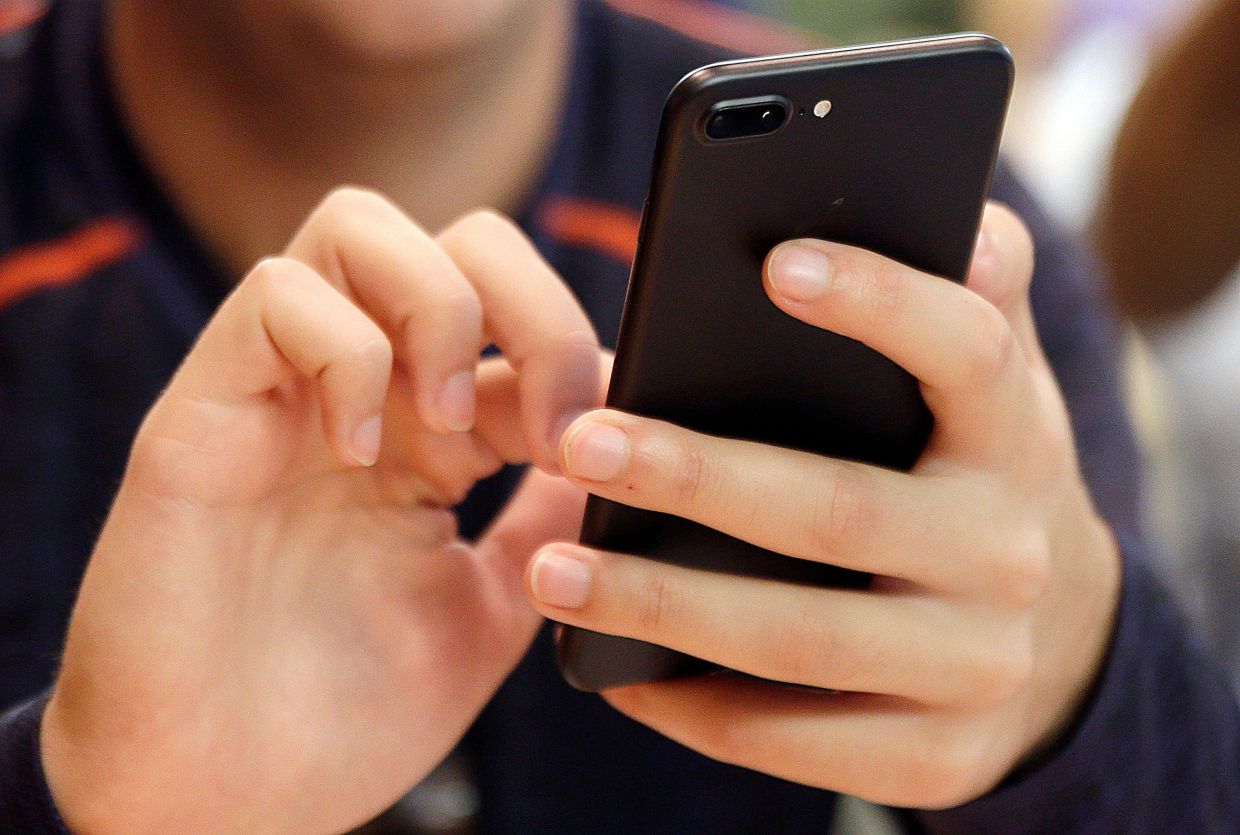
The modern smartphone user faces a persistent occupational hazard that few discuss: texting thumb, a cluster of hand and wrist ailments triggered by hours spent typing, scrolling and swiping on mobile devices. The condition manifests in various ways—from general stiffness and throbbing sensations near the knuckle to an audible clicking when bending the thumb. Without intervention, this repetitive strain can evolve into more serious medical complications including carpal tunnel syndrome and degenerative joint conditions, both of which can significantly affect quality of life and work productivity.
The problem is not new, but the scale has intensified dramatically. During the BlackBerry era, users primarily texted and checked emails, but today's smartphones have become all-encompassing entertainment and transaction hubs. Devices are larger and heavier than their predecessors, and usage patterns have fundamentally shifted. Malaysians and people across Southeast Asia now spend extended periods doomscrolling through social media, conducting banking transactions, streaming television and films, and managing work communications—activities that collectively demand prolonged hand engagement in unnatural positions.
Dr Maureen O'Shaughnessy, a hand specialist at the University of Kentucky HealthCare Hand Center, emphasises that the solution lies not in abandoning technology but in adaptation. "Mobile devices are here to stay. So rather than saying 'you can't be on your device,' we really just need to learn and think about ways to make the devices compatible with modern life," she explains. This pragmatic approach resonates particularly in Malaysia's increasingly digital economy, where smartphone dependency is woven into both professional and personal spheres, and reducing device use is simply not realistic for many workers and students.
The biomechanical strain occurs when wrists and elbows remain locked in identical positions for extended periods. This immobility concentrates stress on specific joints and tendons, particularly at the base of the thumb and wrist. The weight of modern phones, often exceeding 200 grams, compounds the problem by forcing hands to work harder to maintain grip and support. Additionally, holding devices upright—whether for video consumption or social media browsing—fatigues not only the thumb but other fingers as well, distributing injury risk across the entire hand.
Interestingly, many people only notice symptoms during periods of reduced phone use, such as vacations or weekends when screen time drops naturally. The irritation and dull aches often fade when usage patterns change, suggesting that the body's warning signals become masked by continuous engagement. This delayed recognition means damage can accumulate before a person recognises something is wrong.
The most straightforward intervention is reducing screen time through intentional breaks—the digital equivalent of "touching grass," as younger generations phrase it. However, given Malaysian work culture and the integration of smartphones into daily life, complete reduction often proves impractical. O'Shaughnessy recommends instead alternating hand positions, switching hands for typing tasks, and employing fingers other than the thumb when possible. These adjustments distribute mechanical stress across different anatomical structures, preventing any single area from bearing excessive load.
Smartphones offer built-in accessibility features that can mitigate strain without sacrificing functionality. Voice-to-text capabilities allow users to compose messages through speech rather than manual typing. Enlarging text sizes reduces the need to hold phones uncomfortably close to the eyes, which typically coincides with tighter grip tension. Both modifications represent practical ergonomic improvements that require minimal behavioural change while yielding measurable benefit.
Physical accessories also address the problem. Ring-shaped grips and circle-shaped holders distribute phone weight more evenly across the hand's surface area while simultaneously serving as stands for hands-free viewing. For users unable to reduce screen time significantly, such accessories represent a cost-effective investment in long-term hand health, particularly for professionals who depend on smartphones for income generation.
Daily stretching routines provide supplementary relief and may prevent symptom progression. Wrist flexing—achieved by tilting the palm toward and away from the body while applying gentle opposing pressure with the other hand—targets the primary areas affected by phone use. Dr O'Shaughnessy additionally recommends individual finger flexing and small circular movements with the thumbs to maintain joint mobility and reduce stiffness. For pain specifically at the thumb's base, placing the hand flat and gently pulling the thumb away from other fingers while holding for approximately thirty seconds offers targeted relief.
When home remedies prove insufficient, medical consultation becomes essential. Persistent aching, numbness or tingling sensations that persist despite reduced screen time and ice applications warrant professional evaluation. Prolonged phone use can trigger De Quervain's tenosynovitis, characterised by sharp pain and swelling at the thumb's base and wrist, or exacerbate existing thumb arthritis. Carpal tunnel syndrome, caused by nerve compression, and trigger thumb, resulting from tendon inflammation, represent additional serious outcomes requiring specialist intervention. These conditions, once established, typically demand more invasive treatments and longer recovery periods.
Dr Eugene Tsai, a surgeon at Cedars-Sinai Orthopaedics and Sports Medicine, frames the issue in evolutionary terms: "Our hands were not designed to use phones all day long. In order for us to use the phones, we have to be kind to our hands." This straightforward observation underscores that smartphone usage represents a relatively recent departure from human evolutionary adaptation. The solution demands intentional practice and consistent application of ergonomic principles rather than hope that bodies will naturally adjust to unnatural demands.
For Malaysian professionals, students and casual users, the path forward involves small, deliberate modifications to daily habits. Alternating postures, taking brief breaks to adjust position, incorporating stretches into daily routines, and leveraging built-in accessibility features collectively reduce injury risk without requiring dramatic lifestyle changes. The key lies in recognising that hand pain is not an inevitable consequence of smartphone ownership but rather a preventable condition addressed through awareness, adjustment and protective action taken before problems become severe.

