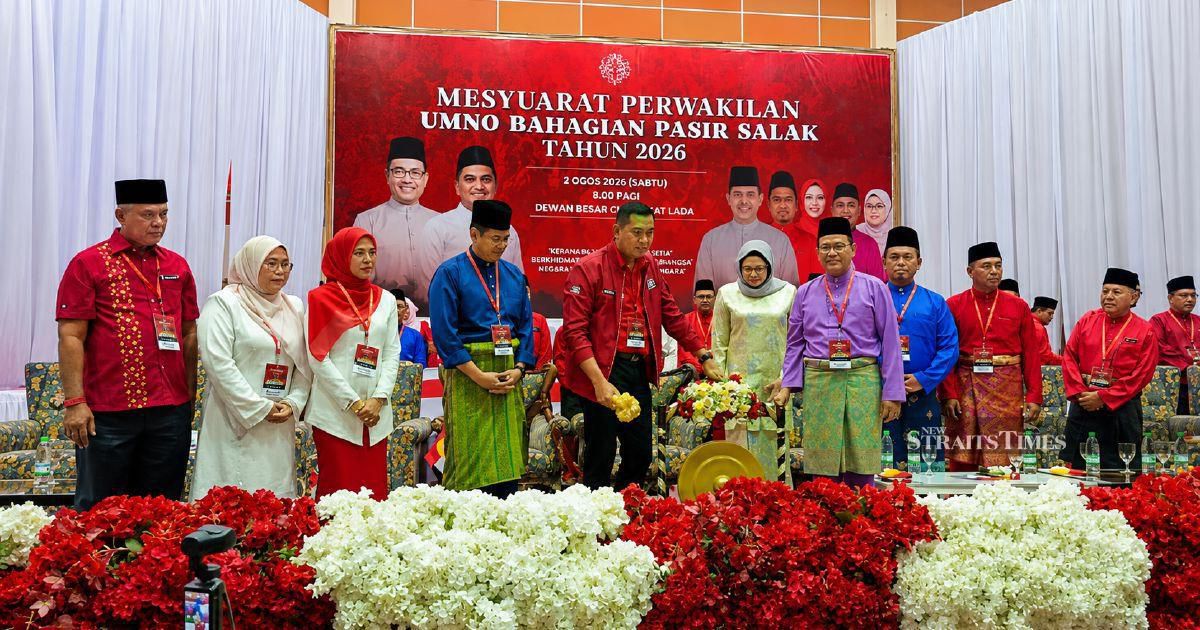
Umno Youth chief Datuk Dr Muhamad Akmal Saleh has underscored the importance of heeding Umno division leaders' perspectives on how seats should be distributed under the evolving political arrangement between Barisan Nasional and Perikatan Nasional. Speaking in Pasir Salak, he made clear that the voices emanating from party grassroots cannot be overlooked as both coalitions map out their electoral strategy for upcoming contests.
The stance reflects deepening attention to how Malaysia's dominant Malay-Muslim party will operationalise its cooperation with PN, a coalition that has grown significantly in parliamentary influence since 2020. The BN-PN understanding, forged through negotiations between party and coalition leaderships, sets a framework for collaboration but leaves substantial detail to be worked out at various organisational levels. Division heads, who command considerable influence over candidate selection and campaign machinery in their respective constituencies, occupy a crucial position in this process.
Akmal's intervention signals that top leadership recognises the practical reality that any seat-sharing formula imposed from above without consultation risks fracturing party unity at the divisional level, where competition for coveted positions often runs intense. Umno's structure grants considerable autonomy to its 191 divisions across the country, each with distinct demographic profiles, existing power bases, and historical electoral performance records. These grassroots entities naturally harbour strong preferences about which seats their members should contest and under what terms cooperation with external partners should be negotiated.
The broader context involves Umno's management of multiple political relationships. As the largest party in BN, it traditionally dominated seat allocation within that coalition, negotiating with Malaysian Chinese Association and Malaysian Indian Congress over division of constituencies. The introduction of PN into formal arrangements complicates this settled calculation. Perikatan Nasional, anchored by Parti Islam Se-Malaysia and supported by other parties, has demonstrated substantial electoral appeal particularly in the Malay heartland and Sabah, directly competing with Umno for overlapping voter bases and territorial representation.
Division leaders, acutely conscious of ground sentiment in their areas, would naturally harbour concerns about conceding winnable seats to PN partners or accepting unfavourable terms that might disadvantage local aspirants. Some divisions may view PN as a genuine ally against common political opponents; others might see cooperation as potentially diluting Umno's independent brand or limiting advancement opportunities for their members. These perspectives, rooted in intimate knowledge of local electoral dynamics, carry legitimacy that deserves serious consideration during broader coalition negotiations.
Akmal's emphasis on respecting division stances also reflects Umno's internal democratic culture, at least in principle. The party's grassroots members hold considerable sway in selecting candidates through delegate voting at divisional assemblies. Party leadership that ignores these grass-roots sentiments risks triggering internal dissent, weakening party cohesion precisely when unified action becomes crucial for electoral success. Historical precedent shows that unpopular seat allocations can prompt departures to rival parties or reduced campaign enthusiasm among local machinery.
The timing of Akmal's remarks carries significance given ongoing uncertainty about the next general election timeline. With the possibility of polls occurring within the coming eighteen months, the BN-PN framework must solidify into concrete seat distributions acceptable to party members across constituencies. Malaysia's electoral calendar complexity, with state and federal contests sometimes overlapping, adds another layer requiring careful negotiation among multiple stakeholders at divisional, state, and national levels.
ForSoutheast Asian observers, Umno's approach illustrates how even strongly centralised parties must accommodate grassroots sentiment when managing major strategic shifts. The region has witnessed numerous examples of coalition arrangements that foundered because they failed to secure buy-in from local party structures. Umno's explicit recognition that division leaders' views warrant respect represents pragmatic acknowledgment that durable political arrangements require legitimacy at multiple levels, not merely among top decision-makers.
The BN-PN understanding itself emerged from complex political calculations following the 2022 election, where both coalitions underperformed expectations, spurring leaders toward collaboration they had previously resisted. For BN, accepting PN as a formal partner represented significant strategic recalibration away from sole reliance on its traditional three-party structure. Yet moving such arrangements from broad principles to operational reality demands detailed work involving countless stakeholders, from national leadership councils down to division representatives managing constituency-level implications.
Akmal's position also implies that Umno will not simply rubber-stamp decisions handed down by its central committee regarding seat distribution with PN. The iterative consultation process he advocates, while potentially slower and more contentious, ultimately produces more durable arrangements because stakeholders feel heard and can claim ownership of results. This approach contrasts with top-down imposition, which typically generates resentment and implementation difficulties when local machinery must execute unpopular decisions.
The coming months will test whether this commitment to respecting division voices translates into genuine consultation or becomes merely cosmetic. Division leaders will scrutinise how faithfully the party leadership incorporates grassroots feedback into final seat allocation agreements. Any perception that consultation was merely theatrical could damage Umno's internal cohesion and alienate activists whose enthusiasm proves essential during campaign season. Conversely, demonstrable responsiveness to legitimate divisional concerns would strengthen party unity heading toward the next election.
For Malaysian voters and political observers, this discussion highlights the intricate machinery beneath high-level political agreements. Formal coalitions between major parties represent merely the framework; actual electoral outcomes depend substantially on how these arrangements translate into candidate selection, campaign resource allocation, and activated party machinery. Umno's explicit recognition that division leaders merit consideration in this process offers insight into how Malaysia's complex political structures operate beyond headline-grabbing leadership announcements.

