Doctors Without Borders (MSF) has levelled sharp criticism at the Israeli military establishment over its decision to close multiple case files concerning the deaths of its personnel and their families in Gaza without initiating formal criminal investigations. The condemnation, issued on Thursday, represents a significant escalation in the humanitarian organization's ongoing dispute with Israeli authorities over accountability for incidents resulting in casualties among its staff members operating in the contested territory.
The dispute has been building for nearly two years, dating back to when MSF first petitioned Israeli authorities to open formal investigations into specific attacks. The organization subsequently escalated its efforts by approaching Israel's High Court after the Military Advocate General failed to respond to earlier requests. The closure of these cases without criminal proceedings marks what MSF considers a definitive refusal to pursue accountability through official channels, prompting the group to question the entire framework of Israeli military self-regulation in conflict situations.
For Malaysian audiences familiar with calls for independent judicial oversight in regional conflicts, MSF's argument that military systems cannot effectively investigate themselves carries particular resonance. The organization contends that allowing armed forces to examine allegations of their own conduct creates inherent conflicts of interest that prevent genuine accountability. This challenge to self-policing mechanisms mirrors debates across Southeast Asia regarding military transparency and civilian oversight in post-conflict situations and ongoing security operations.
MSF has provided specific details underscoring what it views as the Israeli military's direct culpability. The organization emphasizes that it had deliberately shared the names and locations of all its personnel with Israeli forces and that its vehicles bore clear identification markings. This transparency, MSF argues, should have prevented casualties among its staff, suggesting that the incidents were either negligent or deliberate targeting. The provision of advance coordination information is standard humanitarian practice designed to protect aid workers and medical facilities from military action.
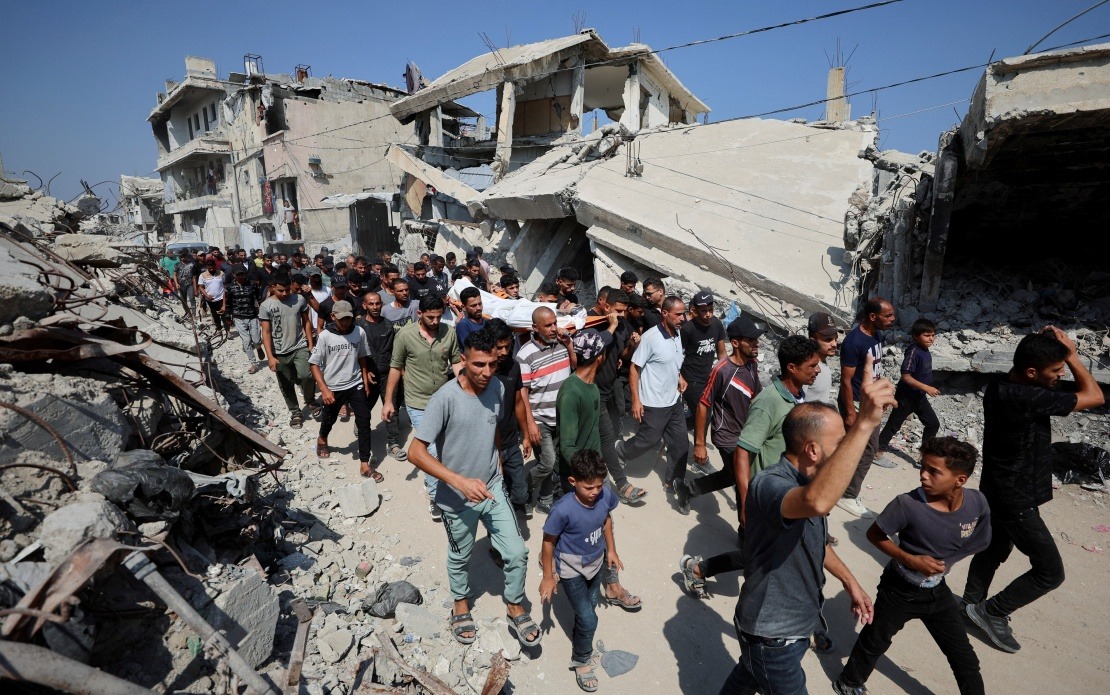
Two incidents crystallize MSF's grievances. In November 2023, an attack on an MSF convoy resulted in the deaths of two staff relatives, including Alaa Al Shawa, who was himself a volunteer supporting MSF medical operations at Al-Shifa Hospital. A second incident occurred in February 2024, when an MSF shelter in Khan Younis came under attack, killing the wife and daughter-in-law of an MSF staff member while injuring six others, predominantly women and children. These incidents represent not abstract cases but specific, documented events with identified victims, families, and survivors capable of providing testimony.
The scale of the humanitarian toll within Gaza's health sector has become catastrophic. MSF reports that fifteen of its own staff members have been killed by Israeli forces since October 2023, but this constitutes a fraction of the broader devastation. Across the same period, approximately 1,700 health care workers have perished, illustrating how the conflict has systematically decimated Gaza's medical infrastructure and capacity. For healthcare workers in Malaysia and throughout Southeast Asia, these figures underscore the particular vulnerability of medical personnel in contemporary conflicts, even when operating under established humanitarian protocols.
MSF's assertion that case closure demonstrates "no prospect of accountability within the Israeli legal system" represents a fundamental indictment of the entire institutional framework. The organization is arguing that Israeli law itself, as currently implemented and interpreted, cannot deliver justice for violations potentially constituting war crimes. This claim extends beyond specific incidents to question the structural capacity and political will of Israeli institutions to address allegations of systematic wrongdoing during military operations.
The humanitarian organization has explicitly framed the case closures within the context of what it describes as genocide against Palestinians in Gaza. This characterization places the deaths of MSF staff within a broader pattern of conduct rather than treating them as isolated incidents. Malaysian readers should note that this framing carries significant implications for international law discussions, as characterizations of genocide trigger different legal obligations under the Genocide Convention than classifications of war crimes or crimes against humanity.
MSF's demand for investigation by an independent, impartial body represents the organization's proposed alternative to Israeli military self-examination. The group is essentially calling for international or third-party oversight, a position that directly challenges Israeli sovereignty over investigating its own military conduct. Such demands typically encounter resistance from nations prioritizing national security prerogatives, creating tensions between accountability mechanisms and state assertions of jurisdiction over armed forces.
The organization has articulated a broader principle regarding the proportionality of military action. By stating that "no military objective justifies the wholesale sacrifice of civilians," MSF is advancing a fundamental humanitarian law argument about the limits of necessity and military advantage. This principle remains contentious in legal and policy circles, with military establishments often asserting broader discretion in assessing what objectives justify civilian casualties.
Concurrent reporting from Gaza's Health Ministry documents ongoing casualties, with approximately 10 Palestinians killed and 25 injured in the 24-hour period preceding MSF's statement. The cumulative death toll since October 2023 has reached 73,417, with an additional 174,360 individuals wounded. These figures underscore that the conflict remains active and producing continuous casualties, not merely investigating historical incidents.
For Malaysia's government and civil society, MSF's position raises questions about how nations should engage with humanitarian access issues during protracted conflicts. The closure of investigations into deaths of aid workers and their relatives may influence calculations about whether organizations like MSF can continue operations, whether other humanitarian groups should deploy personnel, and what diplomatic pressure nations should exert regarding humanitarian access and accountability.
The dispute encapsulates fundamental tensions between state sovereignty and international humanitarian accountability. Israel's assertion of authority to investigate and close these cases reflects traditional views of military jurisdiction, while MSF's demands for external investigation reflect evolving international norms regarding accountability for conflict-related deaths. How this dispute resolves may establish precedents affecting humanitarian operations throughout the region.

