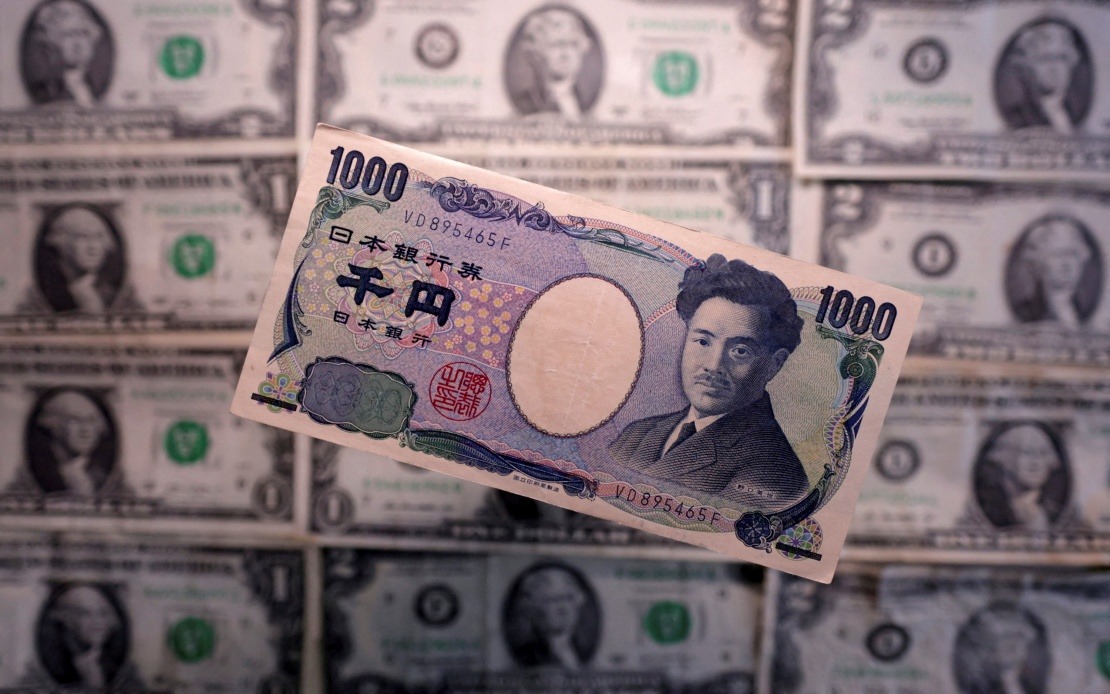
The US dollar has scaled a fresh 39-year peak, trading comfortably above the 163 yen threshold as investors worldwide flee to the relative safety of the American currency amid intensifying geopolitical turmoil in West Asia. The greenback touched 163.24 yen overnight—its highest valuation since December 1986—underscoring the profound anxiety gripping financial markets as regional hostilities threaten global energy supplies and economic stability. Despite repeated warnings from Japanese authorities that they stand ready to intervene in currency markets if conditions warrant, the relentless buying pressure behind the dollar has shown little sign of abating, signaling how deeply ingrained concerns about Middle Eastern risks have become among traders and portfolio managers across Asia.
The climb in crude oil prices following the Iran-aligned Houthis' declaration of a naval blockade targeting Saudi Arabian shipping has compounded upward pressure on the dollar. West Texas Intermediate futures have surged past the $84 per barrel mark, creating a dual headwind for yen-denominated assets: the traditional safe-haven appeal of US currency intensifies during energy crises, while simultaneously, elevated oil costs threaten Japan's import-dependent economy and raise questions about the Bank of Japan's monetary policy trajectory. This combination has created a powerful structural incentive for investors to accumulate dollars at the expense of yen holdings, overwhelming any temporary reprieve from the Japanese government's stern rhetoric about readiness to act.
Market analysts tracking currency dynamics point to fresh speculation about Federal Reserve interest rate adjustments as a critical secondary driver of dollar strength. The prospect that America's central bank might tighten monetary policy in response to inflationary impulses flowing from surging energy costs has attracted substantial buying across New York trading sessions. When oil prices climb, inflation concerns typically intensify, and markets begin pricing in the possibility of rate increases that would boost the returns available to dollar holders. This expectation alone has historically proven sufficient to reverse currency weakness, and the current environment appears to offer textbook conditions for such a rally to persist and potentially accelerate further.
Maki Sawada, a strategist at Nomura Securities Co., captured the prevailing market sentiment by observing that the combination of West Asian geopolitical instability and the evolving monetary policy landscape provides a sturdy foundation for sustained dollar strength well above the 160 yen level. This assessment reflects the consensus view among major financial institutions that barring a dramatic improvement in regional security or an unexpected dovish shift from the Federal Reserve, the structural forces propelling the dollar upward possess considerable staying power. For Malaysian exporters and corporations with dollar-denominated liabilities, this trajectory carries material implications, as stronger American currency typically benefits those holding overseas assets while pressuring domestic manufacturers competing in global markets.
Tokyo's equity markets responded with ambivalence to the currency developments and broader macroeconomic backdrop. The Nikkei 225-issue average experienced a modest decline of 116.59 points, or 0.18 percent, settling at 66,115.60 as investors grappled with conflicting signals. Early optimism, driven by semiconductor-related shares riding on gains from American and South Korean counterparts amid expectations of expanded chip demand, gradually evaporated as the trading session progressed. Technology heavyweight earnings announcements, particularly Google parent Alphabet Inc.'s forthcoming results, prompted some portfolio repositioning that trimmed earlier advances, while the escalating crude costs created a dampening effect on broader investor enthusiasm.
Nonferrous metal and banking shares emerged as notable gainers on the Prime Market, benefiting from the confluence of currency weakness and elevated commodity prices. The yen's depreciation typically enhances export competitiveness for resource-related businesses and improves the attractiveness of holding foreign-currency earnings for financial institutions. Conversely, service and air transportation sectors experienced notable declines, reflecting concern that elevated fuel costs would compress margins while consumer discretionary spending might weaken in response to inflationary pressures filtering through the broader economy. The broader Topix index managed to post a modest advance of 18.18 points, or 0.45 percent, to 4,033.13, suggesting that market losses remained contained despite underlying unease.
For Southeast Asian markets and economies, the implications of sustained dollar strength deserve careful consideration. A persistently elevated greenback tends to increase borrowing costs for corporations and governments with dollar-denominated debt, while simultaneously pressuring regional currencies that might otherwise trade on their own fundamentals. Malaysian businesses with significant dollar obligations face rising servicing costs, particularly those lacking natural dollar revenues from export activity. Simultaneously, the regional export competitiveness picture becomes murkier as a strong dollar can attract global investment flows toward dollar-denominated assets and away from emerging market securities, potentially restraining growth prospects across the region.
The Japanese government's stern warning about readiness to intervene reflects Tokyo's deep concern about uncontrolled yen depreciation damaging domestic purchasing power and complicating the Bank of Japan's delicate monetary policy balancing act. Officials worry that an excessively weak yen might trigger imported inflation that could undermine the fragile domestic consumption recovery, while simultaneously pressuring the central bank to maintain its accommodative stance longer than prudent. However, intervention threats carry diminishing credibility when market-moving forces—geopolitical crises, energy disruptions, and Fed rate expectations—overwhelm traditional policy tools. History demonstrates that successful currency intervention requires either exhaustive central bank resources or changing the underlying factors driving market behavior, neither of which appears readily available to Japanese policymakers at present.
The current dollar strength represents a significant challenge for regional policymakers, as it compounds existing pressures from elevated energy costs and uncertain global growth prospects. Central banks across Southeast Asia face difficult choices between defending domestic currencies through rate hikes that could slow economic activity, or accepting currency depreciation that raises import costs and complicates inflation management. Malaysia's central bank must navigate these crosscurrents while supporting domestic growth and maintaining financial stability, a balancing act that becomes progressively more constrained as the dollar rally persists and regional currencies face relentless selling pressure.

