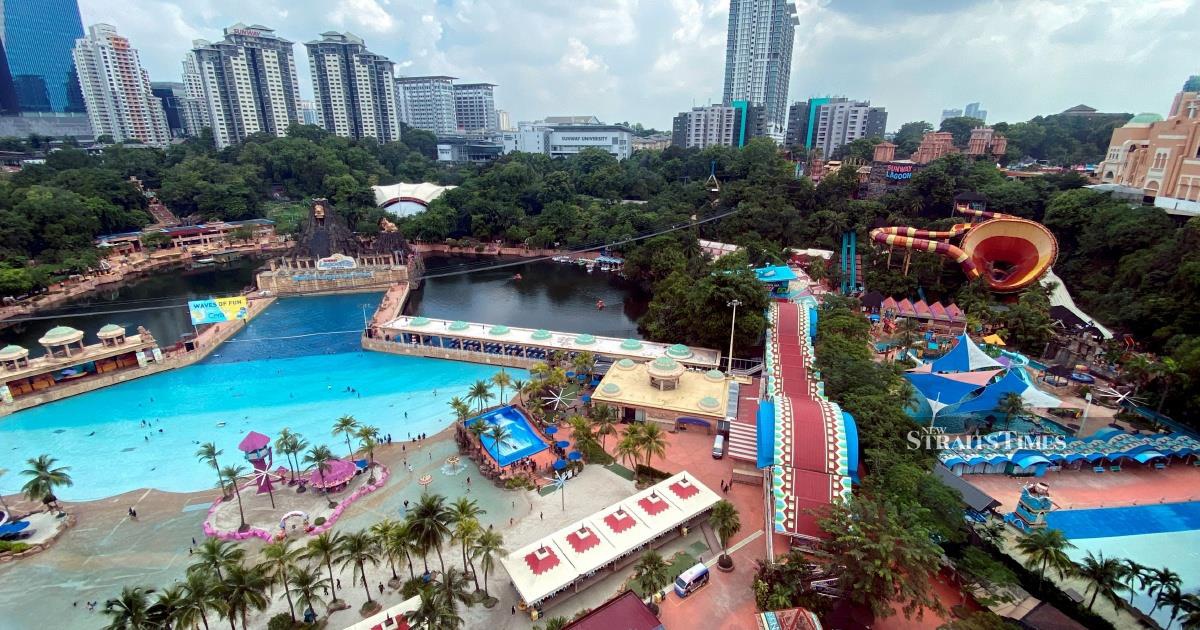
The Department of Occupational Safety and Health, Malaysia's primary workplace safety regulator, has initiated a detailed forensic investigation into an incident at Sunway Lagoon's roller coaster facility. The move reflects growing attention to safety protocols at major amusement parks across the country and underscores the government's commitment to protecting public welfare at entertainment venues.
Forensic investigations into theme park incidents represent a significant level of scrutiny, typically involving comprehensive technical analysis of equipment, maintenance records, operational procedures, and environmental factors leading up to the incident. DOSH's involvement signals that preliminary assessments may have identified potential systemic issues requiring deeper examination rather than isolated operational lapses.
Sunway Lagoon stands as one of Malaysia's most visited theme parks, attracting hundreds of thousands of visitors annually from both domestic and international markets. The facility operates multiple high-speed attractions, making it a critical test case for how Malaysia's regulatory framework handles major amusement park incidents. Any findings from this investigation will likely influence how similar facilities operate across the region.
The investigation process typically encompasses reviewing maintenance logs spanning months or years prior to the incident, interviewing relevant staff members, conducting structural and mechanical assessments of the affected ride, and examining whether operational procedures aligned with manufacturer specifications and regulatory requirements. DOSH investigators will likely coordinate with engineers and technical experts to establish a precise timeline of events and identify contributing factors.
Malaysia's amusement park industry has expanded significantly over the past decade, with parks investing billions in new attractions to remain competitive regionally. However, this rapid expansion has occasionally outpaced the development of comprehensive safety oversight mechanisms. This investigation may reveal gaps in current regulatory frameworks or enforcement practices that could necessitate policy adjustments industry-wide.
Theme park safety falls within multiple regulatory jurisdictions in Malaysia, including local authorities, the Ministry of Human Resources, and various engineering bodies. DOSH's forensic approach suggests a coordinated effort to ensure that findings translate into concrete improvements rather than serving as a mere administrative formality. The department's recommendations often carry significant weight with other regulatory bodies and the industry itself.
For visitors and parents particularly, theme park safety represents a paramount concern. Sunway Lagoon's prominence means that public confidence in its operations extends beyond individual visitors to affect the broader perception of amusement park safety throughout Malaysia. How transparently findings are communicated will influence public trust in both the facility and Malaysia's regulatory capacity.
The investigation timeline remains unspecified, though forensic probes of this magnitude typically span several months depending on complexity and the availability of expert resources. International incident investigations at comparable facilities have taken anywhere from three to nine months before preliminary findings emerge, with detailed reports following months later.
Industry observers will be watching closely for whether DOSH's findings identify systemic vulnerabilities that extend beyond Sunway Lagoon to affect other major attractions. Some regional theme parks have previously faced criticism over maintenance transparency and staff training protocols, issues that could emerge from this forensic examination.
The investigation carries implications for amusement park operators throughout Southeast Asia. Malaysia's regulatory findings often influence how neighbouring countries approach similar oversight, particularly given the regional nature of major operator companies and the movement of expertise and equipment across borders. Stricter standards in Malaysia could establish benchmarks that other ASEAN nations eventually adopt.
Maintenance culture within amusement parks represents a critical but sometimes overlooked aspect of safety. Forensic investigations frequently uncover discrepancies between documented maintenance records and actual maintenance performed, highlighting the need for more rigorous verification systems. DOSH's probe will likely scrutinise this aspect thoroughly given the potential for systematic oversights.
Beyond the immediate incident, this investigation represents an opportunity for Malaysia to demonstrate robust safety governance at major entertainment facilities. As the country positions itself as a regional tourism hub, maintaining high safety standards becomes economically advantageous, reassuring both domestic families and international visitors that attractions meet stringent international benchmarks.
The forensic investigation into Sunway Lagoon's roller coaster incident thus transcends a single facility's operational concerns, potentially reshaping how Malaysia approaches amusement park regulation, maintenance verification, and public safety oversight moving forward.

