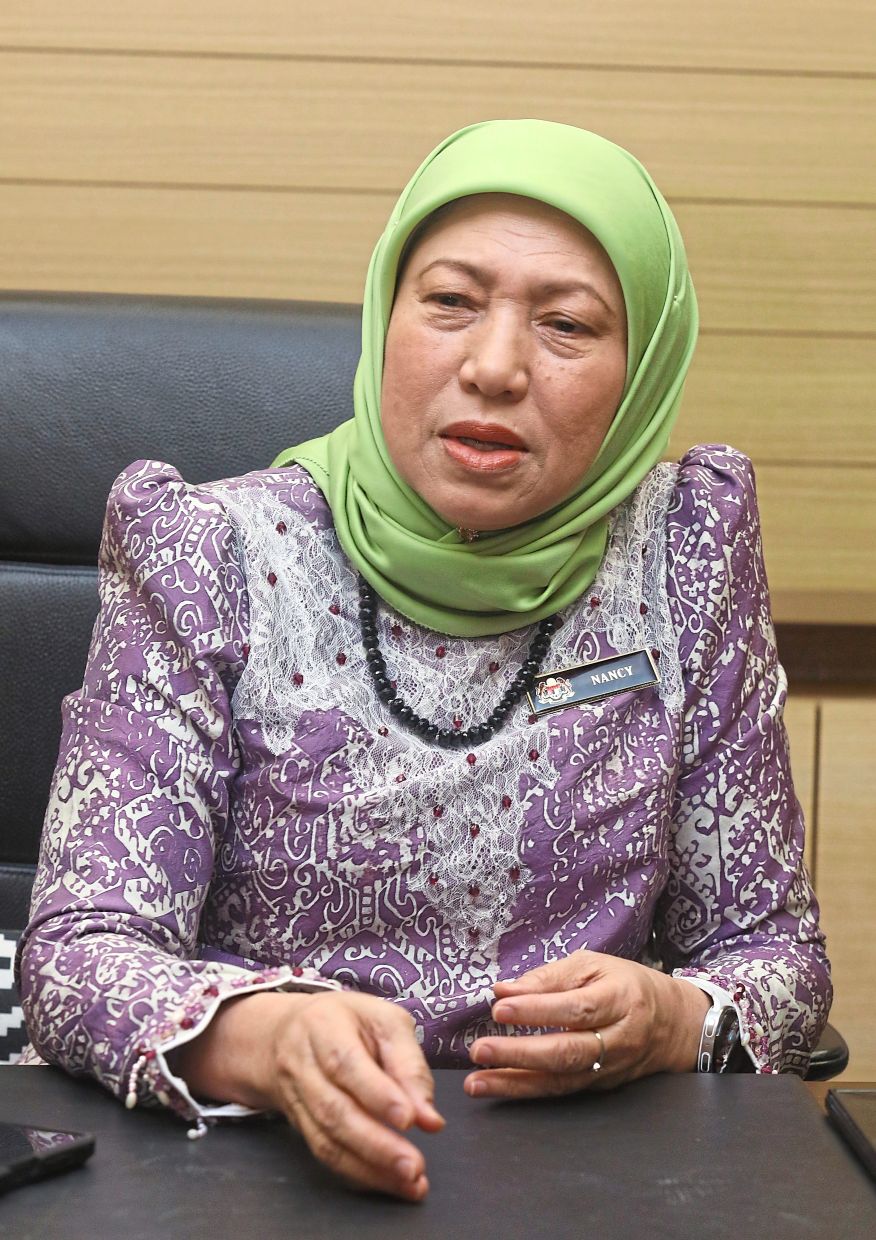
Datuk Seri Nancy Shukri has underscored the transformative impact of early disability registration on families navigating the complexities of raising children with special needs, positioning OKU status as a gateway to comprehensive government assistance. Speaking on behalf of the Ministry of Women, Family and Community Development, she highlighted how registration as a person with disabilities (OKU) provides the official recognition necessary to access a coordinated network of welfare, healthcare, educational and social development services designed to support vulnerable populations across Malaysia.
The registration mechanism, managed through the Social Welfare Department (JKM), operates as a relatively straightforward administrative process that yields substantial downstream benefits for qualifying families. Parents must compile and submit their child's birth certificate or identification documents alongside medical certification confirming the disability diagnosis and any additional documentation that JKM specifies. Following approval, registered children receive an OKU card serving as tangible proof of their disability status and eligibility for designated support programmes. This formalisation creates an official record that streamlines access to services that might otherwise require repeated applications and verification processes.
Beyond the initial paperwork, OKU registration unlocks a diverse portfolio of government-administered support mechanisms tailored to different developmental stages and needs. Eligible families gain access to financial assistance programmes that help alleviate economic pressures, rehabilitation services designed to maximise functional capability, early intervention programmes crucial during formative years, and specialised education facilities equipped to address learning differences. Additional incentives and concessions—ranging from transportation subsidies to healthcare fee reductions—further strengthen the support ecosystem, though specific eligibility criteria apply. Nancy stressed that delayed registration represents a missed opportunity, since early intervention during childhood establishes developmental foundations that prove increasingly difficult to establish later.
The minister's advocacy for prompt registration reflects a deeper governmental philosophy recognising that disability support cannot operate on a time-limited basis. Rather than viewing assistance as concentrated during school years, the current policy framework acknowledges that support requirements evolve continuously as individuals mature, pursue careers and make transitions into independent adulthood. This longitudinal approach distinguishes Malaysia's emerging disability policy from narrower models that concentrate services during childhood or educational phases, then abruptly withdraw support upon graduation. Nancy indicated that the government is committed to sustaining and expanding this support architecture to ensure continuity across the lifespan.
Employment represents a critical frontier in this expanded support vision, reflecting recognition that economic participation enhances dignity and reduces long-term dependency on state assistance. The Social Welfare Department has established a job coach service comprising specially trained professionals who provide on-the-job support enabling OKU individuals to secure and maintain employment. These coaches function simultaneously as employee advocates and employer partners, helping create workplace environments where individuals with disabilities receive necessary accommodations while demonstrating their contributions. This dual-sided approach attempts to overcome a persistent structural barrier—employer reluctance rooted partly in misconceptions about accommodation costs and productivity impacts.
Complementing employment support mechanisms, the government has introduced Disability Equality Training (DET) targeting employers, human resources practitioners and colleagues. Rather than emphasising charity or accommodation, DET reframes disability through a lens of diversity and differential ability, encouraging organisations to view disabled employees as sources of unique perspectives and capabilities. Nancy characterised this training initiative as foundational to systemic cultural change, moving beyond surface-level awareness campaigns toward substantive shifts in how workplaces accommodate and value neurodivergent and disabled workers. The approach aligns with international best practices recognising that inclusive workplaces generate innovation and reduce costly staff turnover.
The Social Security Organisation (PERKESO) extends employment support through complementary rehabilitation, skills training and placement initiatives, effectively creating a multi-agency support structure. Platforms such as MyFutureJobs connect job seekers with disabilities to employers actively recruiting inclusive workforces, reducing information asymmetries that typically disadvantage disabled applicants. This coordination between JKM, PERKESO and private employers represents a departure from fragmented systems where individuals navigate multiple bureaucratic channels with limited coordination. For Malaysian readers, this integration matters because it potentially reduces administrative friction that discourages benefit uptake among eligible populations.
Beyond employment, the government has expanded support for lifelong learning, vocational training and entrepreneurship—dimensions particularly relevant for Southeast Asian economies increasingly emphasising knowledge work and service sectors. Disabled individuals pursuing alternative careers rather than conventional employment find pathways into skills development and business formation. Independent living support recognises that autonomy extends beyond economic self-sufficiency to encompass control over daily life decisions. These elements collectively constitute what Nancy described as empowerment—a framework distinguishing modern disability policy from paternalistic models that position disabled persons as passive beneficiaries.
For Malaysian parents of children with disabilities, understanding OKU registration transcends administrative compliance to represent strategic engagement with a support system designed to nurture development and opportunity. Early registration ensures that a child's needs receive official recognition through government agencies with dedicated budgets and trained personnel, rather than depending on parental resourcefulness or charitable goodwill. The OKU card itself carries practical value, providing concrete evidence of eligibility for services that might otherwise require exhaustive documentation at every access point. Critically, prompt registration establishes longitudinal records that inform service planning and resource allocation, creating accountability mechanisms difficult to achieve through informal arrangements.
The centrality of early intervention in Nancy's messaging reflects developmental psychology emphasising that childhood represents a critical window for establishing neurological pathways, learning foundations and social skills. Delays in accessing intervention services during this period create compounding disadvantages that intensify as children progress through educational systems unprepared to accommodate their needs. Conversely, timely access to specialised education, therapy and support during early childhood years yields measurable improvements in long-term educational outcomes and social integration. This evidence base justifies the minister's consistent emphasis on removing registration barriers and encouraging immediate action among parents.
The registration framework also addresses systemic fragmentation that historically characterised Malaysian disability support, where multiple agencies operated parallel programmes without coordination. OKU registration creates a centralised identifier enabling different agencies—education, health, social welfare—to recognise and respond to individual needs through integrated service delivery. For Malaysian healthcare systems and schools operating under resource constraints, this centralisation improves efficiency by preventing duplicative assessments and enabling evidence-based resource targeting. Furthermore, the system creates data infrastructure documenting disability prevalence and service utilisation patterns essential for evidence-based policy expansion.
Looking forward, the minister's articulation of lifelong support principles suggests Malaysia is transitioning toward disability policy models emphasising capability development and social participation over income maintenance alone. This philosophical shift, increasingly evident across middle-income countries in Southeast Asia, reflects recognition that economic growth requires maximising human capital utilisation across all populations. By positioning disability support as investment in capability development rather than welfare provision, policymakers can build coalitions spanning social welfare advocates, employers and fiscal conservatives. For Malaysian society, this reframing potentially creates sustainable political support for expanding services during periods of economic constraint.
Ultimately, Nancy Shukri's advocacy for early OKU registration represents more than bureaucratic encouragement; it constitutes an invitation to Malaysian parents to engage proactively with institutional structures designed to support their children's development and futures. The registration card functions as a key unlocking not merely present services but a pathway to sustained support, employment opportunity and social participation extending into adulthood. As Malaysia develops increasingly inclusive approaches to disability policy, early registration becomes the foundational step determining whether children access the intervention, education and support necessary to participate fully in economic and social life.

