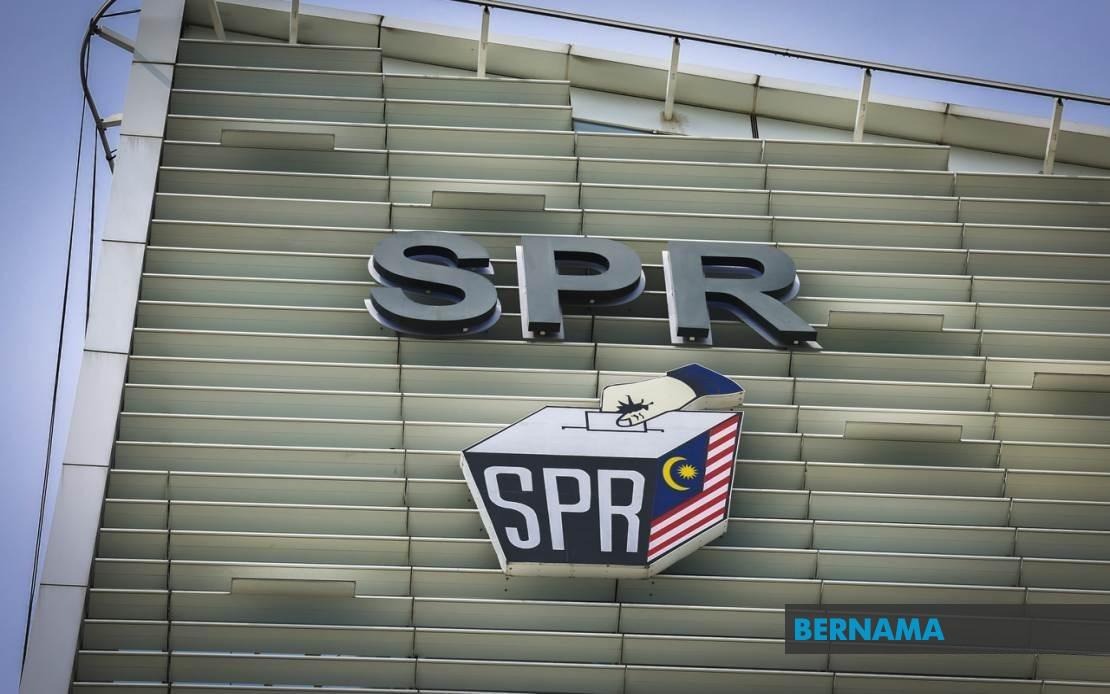
Malaysia's Election Commission has completed the distribution of 24,677 postal ballot papers to qualified voters participating in the 16th Johor State Election, marking a significant milestone in the lead-up to polling day on July 11. The issuance process, executed across all 56 state constituencies, represents a key administrative phase that enables voters unable to cast ballots in person—including frontline workers, overseas Malaysians, and government agency personnel—to participate in the democratic process. This expansion of voting methods reflects evolving practices in electoral management, particularly as Malaysia seeks to enhance accessibility for diverse voter categories.
Election Commission secretary Datuk Khairul Shahril Idrus confirmed the distribution was conducted in strict accordance with Regulation 3 of the Election (Postal Voting) Regulations 2003, with election officials overseeing the process in each constituency. The presence of representatives from all contesting candidates during the issuance procedure underscores the transparency safeguards built into Malaysia's electoral framework, ensuring that opposition and ruling coalition parties alike maintain visibility over ballot distribution mechanisms. This collaborative oversight represents a standard practice designed to build confidence in the postal voting system among all political stakeholders.
The postal ballot allocation reveals significant variation in voter categories. The largest cohort—23,288 papers—was issued under Form 1A classification, encompassing election officials, Election Commission members and staff, police personnel, military personnel, and media practitioners who cannot leave their posts on polling day. These frontline workers and essential service providers form the backbone of Malaysia's electoral machinery and national security apparatus, necessitating alternative voting mechanisms to ensure their democratic participation while maintaining operational continuity. The inclusion of media practitioners within this category reflects recognition of journalism's role as a public service during election periods.
A second category involving overseas-based Malaysians received considerably fewer allocations, with 1,044 postal ballots issued under Form 1B regulations. This reflects the practical challenges of facilitating votes from Malaysians living abroad, requiring international postal coordination and extended voting windows. The Malaysian diaspora represents an increasingly significant demographic, with communities throughout Southeast Asia, the Middle East, East Asia, and beyond. While postal voting offers a pathway to participation, the relatively modest numbers suggest either limited uptake among eligible overseas voters or potential barriers in the registration and notification process that warrant consideration for future electoral cycles.
The third category, Form 1C, encompassed government and non-governmental agencies with a total of 345 postal ballots issued. This classification accommodates employees of statutory bodies, healthcare institutions, and other organizations whose operational requirements prevent collective participation on the standard polling day. The allocation pattern demonstrates that postal voting, while important, remains a minority mechanism within Johor's broader electoral architecture—approximately 2.5 percent of the anticipated 987,748 registered voters—suggesting that most voters will participate through conventional in-person polling.
The Election Commission issued detailed instructions to postal voters regarding correct completion procedures, emphasizing the importance of properly marking ballots and accurately completing the Identity Declaration Form (Form 2) before submission to respective constituency returning officers. The strict 5 pm deadline on polling day itself creates a compressed timeframe for voters who may have delayed submitting their postal votes, potentially advantaging organized campaigns capable of coordinating voter reminders. This procedural requirement also highlights the administrative complexity underlying postal voting systems, which must reconcile convenience with security and verification protocols.
Voting confidentiality emerged as a central concern in the Election Commission's guidance, with explicit warnings against photographing postal ballot papers or sharing images on social media platforms. This cautionary message reflects modern electoral challenges in the digital age, where technology enables previously impossible forms of ballot trading, voter coercion verification, and electoral manipulation. The prohibition targets sophisticated vote-buying schemes where purchasers demand photographic proof of ballot marking before payment. For Malaysia, where electoral integrity concerns have periodically surfaced across multiple jurisdictions, emphasizing voter discretion represents a preventive measure aimed at maintaining the sanctity of secret ballot principles.
The 16th Johor State Election features 172 candidates competing across the state's constituencies, indicating robust electoral contestation across a substantial field. Early voting provisions scheduled for July 7 offer additional flexibility beyond postal mechanisms, accommodating security forces and others whose duties preclude participation on the main polling date. This layered approach to ballot access reflects international best practices in electoral administration, recognizing that rigid single-day voting systems may inadvertently disenfranchise legitimate voters whose occupational or geographic circumstances warrant accommodation.
For Malaysian voters and political observers, the postal voting framework carries broader implications regarding electoral accessibility and democratic participation. The system's successful administration contributes to overall election credibility, as perceived voting opportunities correlate with democratic legitimacy in public perception. However, the relatively small proportion of votes cast through postal mechanisms means that conventional polling remains paramount, making election-day logistics, poll worker training, and voting center accessibility determinative factors in electoral outcomes. The postal system thus serves as an important supplementary mechanism rather than a transformation of fundamental electoral mechanics in Malaysia's democratic process.

