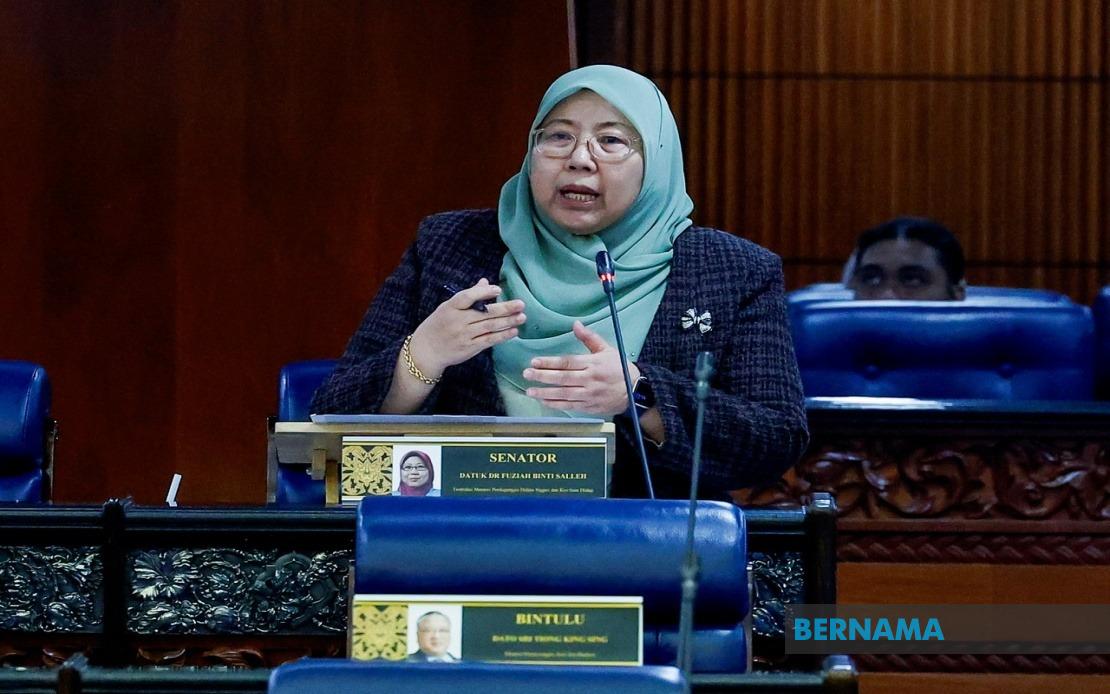
Malaysia's digital initiative to safeguard subsidised cooking oil appears to be working. Since the Cooking Oil Price Stabilisation Scheme mobile application went live in May last year, evidence suggests the system is successfully preventing leakages and keeping the subsidised one-kilogramme packets within reach of Malaysian consumers. Deputy Domestic Trade and Cost of Living Minister Datuk Dr Fuziah Salleh presented this assessment to Parliament on July 6, citing two critical measurements: steady market supply and a notably low volume of public grievances received by the ministry.
The eCOSS application represents a technological approach to an age-old subsidy management problem. By requiring digital registration and tracking purchases through a mobile platform, the government has created a mechanism to monitor who buys subsidised cooking oil and in what quantities. This addresses a longstanding concern that foreign nationals and middlemen were exploiting Malaysia's subsidised cooking oil system, either purchasing for export or reselling at inflated prices in the informal market. The shift toward digital gatekeeping has fundamentally altered how the subsidy reaches intended beneficiaries, transforming what was once a simple over-the-counter transaction into a regulated digital process.
Numbers presented in Parliament suggest the programme has achieved meaningful penetration across the Malaysian population. As of early July, the application had accumulated 5.261 million registered users, a substantial figure that indicates either strong voluntary adoption or widespread awareness of the system's necessity. Monthly purchasing patterns show an average of 18 million one-kilogramme packets of subsidised cooking oil moving through the market, suggesting that despite the digital barrier, ordinary Malaysian households continue to access the subsidy at expected volumes. For a nation with approximately 18 million households, this throughput indicates that the subsidy is reaching its intended audience.
Johor's experience provides a more granular view of the system's performance in a specific geographic and demographic context. The southern state served as a pilot location for the eCOSS initiative, making it an important bellwether for nationwide implementation. In Johor, 580,000 consumers had downloaded the application, while 1,093 of the state's 2,822 registered retailers had integrated themselves into the system. Most tellingly, formal complaints about subsidised cooking oil shortages in Johor dropped dramatically from nine in June 2025 to merely two in June 2026, suggesting that the distribution challenges that previously plagued the subsidy scheme have been substantially reduced. This improvement in supply consistency is perhaps the most concrete evidence of leakage reduction.
Digital divides remain a significant policy challenge, however. Rural Malaysia, elderly populations, and communities with limited technological familiarity initially faced barriers to accessing subsidised cooking oil under the eCOSS system. Recognising this vulnerability, the ministry has implemented complementary assistance measures to ensure equitable access. These include on-site support at retail outlets where staff help customers navigate the application, public awareness campaigns tailored for different demographics, instructional videos in multiple languages, and crucially, the preservation of manual purchasing options for citizens without smartphones. This hybrid approach acknowledges that digital transformation in subsidy delivery cannot simply abandon less tech-savvy populations.
The eCOSS mobile application functions as the final link in a sophisticated supply chain tracking system. The broader eCOSS architecture monitors cooking oil movement from refineries through repackaging facilities and wholesalers to retail points and ultimately to consumers. The mobile application specifically addresses what officials call "last-mile connectivity," capturing the final handoff from retailer to shopper. This comprehensive monitoring infrastructure creates multiple checkpoints where irregularities can be detected. When a retailer sells subsidised cooking oil to a non-registered user or when purchasing patterns suggest resale activity, the system generates alerts. The application thus serves as both an access controller and a surveillance mechanism, making leakage increasingly difficult to execute without detection.
Cmplaint volumes represent an important but somewhat blunt instrument for measuring scheme effectiveness. The ministry has received relatively few grievances regarding subsidised cooking oil availability since the eCOSS application launched, which the deputy minister interprets as a positive sign. However, complaint levels depend not only on actual shortage severity but also on population awareness of complaint mechanisms and willingness to report issues. In some communities, particularly rural areas, citizens may not be aware that they can lodge formal complaints or may lack confidence in the responsiveness of complaint systems. Nonetheless, the significant reduction in complaints particularly within Johor suggests that observable supply problems have genuinely diminished, not merely gone unreported.
The ministry continues to refine the system based on user feedback and operational experience. Evaluating how Malaysians interact with the eCOSS application provides valuable data for improving user experience, strengthening security protocols, and identifying areas where additional support is needed. This iterative improvement process is essential for maintaining both the scheme's integrity and its public acceptance. As more citizens encounter the application and as retailers become more proficient with the system, efficiency gains often emerge naturally. Conversely, systemic bottlenecks or user frustrations reveal themselves more clearly once a programme reaches scale.
Enforcement operations remain separate from the eCOSS monitoring system, though the two work in tandem. While the application tracks supply distribution patterns and purchase behaviour, specialised enforcement teams conduct physical inspections and investigations into suspected leakages or misuse of the subsidy. Data gathered through the eCOSS platform provides enforcement authorities with intelligence about high-risk locations or suspicious purchasing patterns, enabling more targeted and efficient field operations. This division of labour allows the ministry to focus digital resources on prevention and monitoring while deploying enforcement personnel where evidence suggests problems are most likely to occur.
For Southeast Asian nations grappling with subsidy leakage and fiscal pressures, Malaysia's eCOSS experience offers instructive lessons about technology's potential role in subsidy governance. Many countries in the region struggle with similar challenges: maintaining affordable essential goods for low-income citizens while preventing diversion and protecting government budgets. The eCOSS model demonstrates that mobile technology, when complemented by accessible offline alternatives and targeted support for vulnerable populations, can effectively reduce leakage without completely blocking legitimate access. The relatively high registration rate and positive supply metrics suggest the approach gains public acceptance when designed inclusively. However, sustainable success will depend on whether the ministry can maintain system performance as usage scales, manage citizen data responsibly, and continue adapting to evolving circumvention tactics that determined smugglers and resellers inevitably develop.

