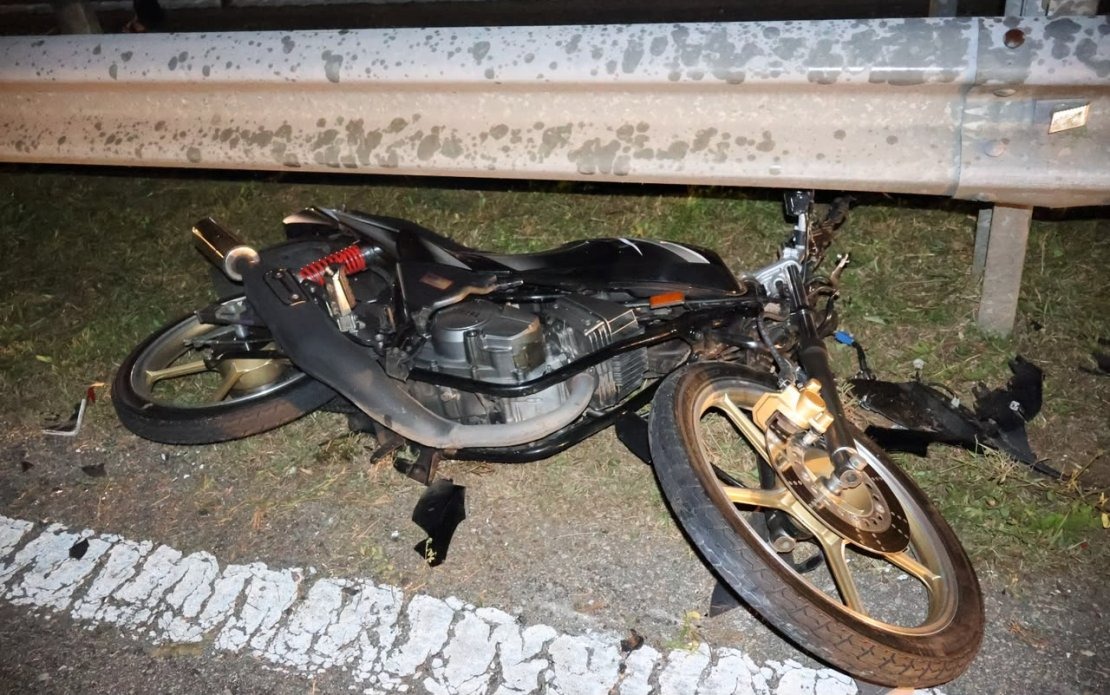
Enforcement operations, while necessary, cannot be the sole mechanism for addressing dangerous driving behaviour on Malaysian roads, according to Datuk Seri Muhammed Hasbullah Ali, director of the Bukit Aman Traffic Investigation and Enforcement Department (JSPT). Speaking in the aftermath of a fatal collision on the East Coast Expressway that killed four motorcyclists and left 20 others injured, the senior traffic official underscored that sustainable road safety improvements require a comprehensive, multi-layered approach that places considerable weight on public education and societal values.
The tragedy that unfolded on the expressway early on July 11 served as a stark reminder of the persistent risks posed by irresponsible road use in Malaysia. Rather than attributing such incidents solely to lapses in law enforcement, Muhammed Hasbullah emphasised the need to examine the deeper psychological and social factors driving high-risk behaviour among riders. Many motorcyclists, he noted, deliberately disregard traffic regulations not out of ignorance but deliberately, seeking personal gratification or validation from peers. This distinction is crucial: it suggests that simply increasing police presence or imposing heavier penalties may have limited impact if the underlying attitudes of offenders remain unchanged.
Family structures and educational settings occupy a central position in Muhammed Hasbullah's prescription for change. Parents and guardians bear responsibility for instilling responsible attitudes in young road users before they even obtain licenses. Schools, colleges, and universities should incorporate road safety into their curricula not as perfunctory exercises but as substantive discussions about risk, consequence, and collective responsibility. The challenge lies in making such education resonate with teenage and young adult audiences who may view risk-taking as a normal expression of independence or a path to social standing within peer groups.
Communities themselves represent another vital stakeholder in addressing the problem. Neighbourhood associations, religious organisations, and local civic groups can amplify messaging around responsible road use and create cultural norms that discourage illegal racing, dangerous stunts, and other hazardous activities. The expressway incident highlighted how motorcyclists engaging in group rides can elevate personal risk to dangerous levels, affecting innocent bystanders who happen to share the road. When communities actively condemn such behaviour rather than tacitly tolerating it, they create social pressure that may prove more effective than police patrols.
The specific focus on motorcyclists reflects Malaysian traffic data. Riders represent a disproportionate share of road fatalities relative to their numbers on the road, yet the causes are frequently behavioural rather than infrastructural. Illegal street racing, stunt riding, and excessive speeding constitute recurring factors in motorcycle-related accidents. These are not crimes of circumstance but deliberate choices made with full knowledge of the risks involved. JSPT enforcement operations have continued to target such activities, and Muhammed Hasbullah indicated that stern measures would persist against those caught engaging in these practices.
The distinction between enforcement and prevention speaks to a fundamental limitation of police work in democratic societies. Law enforcement agencies can apprehend, prosecute, and sanction offenders, but they cannot fundamentally alter the values, attitudes, or decision-making frameworks that lead individuals to behave recklessly in the first place. An eighteen-year-old motorcyclist who chooses to participate in an illegal street race on the expressway makes that choice based on his or her assessment of the appeal of that activity relative to perceived consequences. Police presence may adjust that calculation, but only if the individual internalises the seriousness of the risk and the legitimacy of the law.
Malaysia's approach to road safety has historically emphasised enforcement—notably, campaigns centring on speed cameras, roadside breath-testing, and helmet compliance checks. While such measures save lives, they address symptoms rather than root causes. A more comprehensive strategy would allocate resources more generously toward education, community mobilisation, and targeted interventions with high-risk groups. Youth programmes that provide legitimate outlets for sensation-seeking behaviour, whether through motorsport clubs or track days, offer an alternative to illegal street racing. Peer-led advocacy initiatives, in which respected figures within motorcycling communities champion safety, can shift norms more effectively than top-down directives.
The July 11 expressway incident occurred in conditions that presumably should have been visible and traversable, suggesting that the riders involved either miscalculated their abilities, drove at speeds inappropriate for the conditions, or engaged in manoeuvres intended to demonstrate skill or daring. Regardless, the outcome devastated four families and traumatised two dozen others. The ripple effects extend beyond the immediate victims to emergency responders, healthcare workers, and the broader public consciousness regarding road safety. Each fatality reinforces the urgency of addressing the problem.
Muhammed Hasbullah's statement that roads are public spaces requiring shared responsibility frames the issue in terms of social contract and collective welfare. This messaging, if amplified through sustained public communication campaigns, could help reshape cultural attitudes. Responsible road use is not merely a legal obligation but a moral duty owed to fellow citizens. When parents, educators, community leaders, and enforcement officials all reinforce this message consistently over time, incremental cultural change becomes possible.
Implementing this broader strategy demands coordination across multiple government agencies, educational institutions, and non-governmental organisations. The Road Safety Institute, responsible for education and advocacy, should receive enhanced funding and mandate. Schools should allocate dedicated time to road safety education tailored to different age groups. Media outlets can partner with authorities to highlight both the consequences of reckless behaviour and positive examples of safety-conscious riders. Insurance companies might offer incentives for completion of advanced safety training courses.
For Malaysian road users, the implications are clear. Compliance with traffic laws is non-negotiable, but beyond that, each person bears responsibility for fostering a culture of safety within their families, schools, and communities. Young motorcyclists considering participation in illegal activities should recognise that the thrill is never worth the risk to themselves and innocent others. Parents should have candid conversations with their children about why they make safe choices on the road. Communities should ostracise rather than celebrate dangerous riding.
The fatal accident on the East Coast Expressway was a tragedy that enforcement alone could not have prevented. It is a reminder that sustainable road safety emerges from a combination of legal accountability, personal responsibility, family guidance, community pressure, and systemic education. Muhammed Hasbullah's remarks suggest that Malaysia's traffic authorities recognise this reality. Whether the nation's broader institutional and social response will match that understanding remains to be seen.

