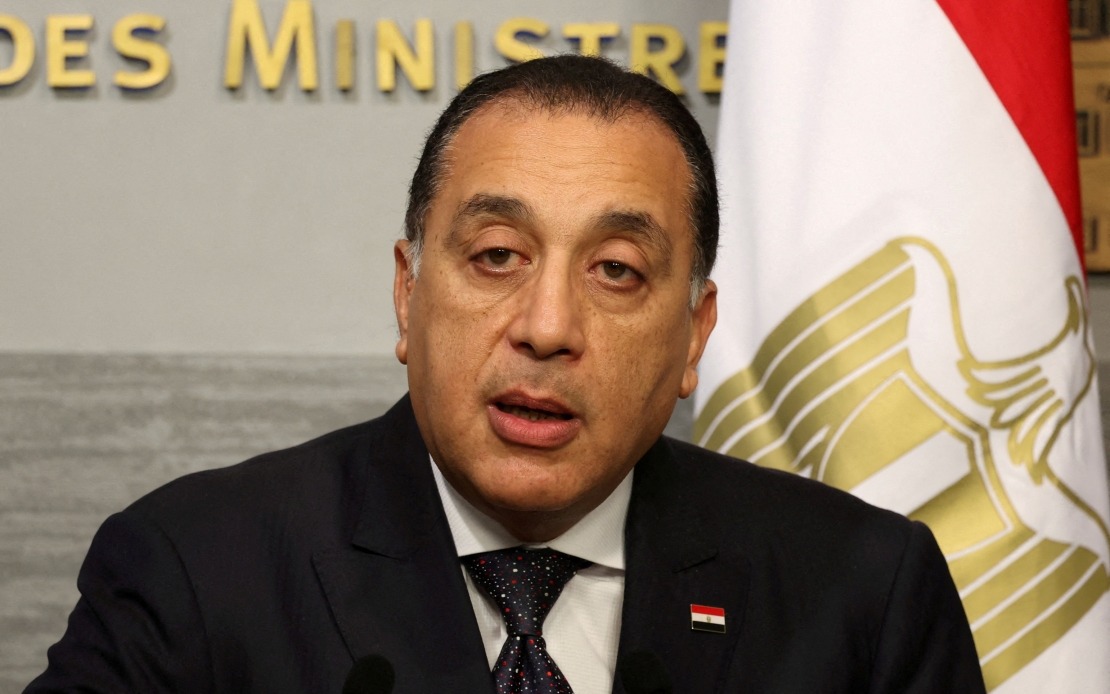
Egypt is moving forward with its landmark nuclear power initiative, with Prime Minister Mostafa Madbouly confirming that the country's inaugural nuclear facility will feed electricity into the national grid starting in 2028. The announcement came during a significant ceremony at the El Dabaa Nuclear Power Plant, where the reactor pressure vessel for the second unit was installed, underscoring the tangible progress made on this strategically important infrastructure project that has been years in development.
The El Dabaa Nuclear Power Plant represents a transformative undertaking for Egypt's energy sector, situated in the Mediterranean coastal region of Matrouh Province, approximately 300 kilometres northwest of Cairo. The facility will ultimately comprise four reactor units, each possessing a generating capacity of 1,200 megawatts, delivering a combined output of 4,800 megawatts once fully operational. This scale of capacity makes the plant integral to Egypt's plans for meeting the electricity demands of a nation with over 100 million inhabitants and an economy that has struggled with periodic energy shortages in recent years.
The partnership between Cairo and Moscow forms the backbone of this nuclear endeavour. Contracts governing the project were formalized in December 2017, establishing a framework for Russian state nuclear corporation Rosatom to provide technical expertise, reactor technology, and ongoing support. Alexey Likhachev, Rosatom's director general, participated in the recent milestone ceremony, reinforcing Russia's commitment to completing the initiative according to schedule. The agreement represents one of Egypt's most significant energy infrastructure partnerships with a non-Western power, reflecting broader geopolitical shifts in the Middle East and North Africa region.
Madbouly characterized the El Dabaa project as a realization of a long-held national aspiration, one made feasible only through sustained international cooperation. The government has publicly recommitted to adhering to the negotiated timeline, signalling political will at the highest levels to maintain project momentum despite potential economic pressures or technical challenges that major nuclear construction typically encounters. Such high-level endorsement suggests Egypt's leadership views this facility as central to the nation's economic future and energy security.
The phased approach to reactor activation underscores careful project management. The first reactor is targeted for 2028 connection, with the remaining three units expected to come online by 2030. This staggered timeline allows for grid integration procedures, safety validation, and operational learning from each successive unit. For Southeast Asian nations considering nuclear power, Egypt's approach offers a template for staged commissioning that balances capacity additions with the infrastructure demands of grid management and technical personnel training.
Egypt's energy diversification strategy extends beyond nuclear power, but atomic generation holds particular significance given the nation's limited hydroelectric resources, volatile fossil fuel reserves, and mounting electricity demand. Nuclear energy represents a baseload generation source unaffected by weather patterns, geopolitical supply disruptions, or carbon emissions concerns that increasingly shape global energy policy. By incorporating nuclear capacity, Egypt positions itself to achieve greater energy independence while meeting international climate commitments and reducing reliance on imported petroleum for electricity generation.
Regional implications emerge from Egypt's nuclear development, particularly for Southeast Asia's own energy deliberations. As developing nations grapple with balancing rapid economic growth against environmental sustainability, nuclear power presents a carbon-neutral option, though one requiring substantial capital investment, technical expertise, and robust regulatory frameworks. Egypt's progression toward nuclear capacity demonstrates that emerging-market nations can successfully navigate the complex technical and financial requirements of atomic energy, potentially informing decisions in regional economies considering similar pathways.
The project's execution also highlights supply chain dimensions relevant to Asia-Pacific stakeholders. Rosatom's involvement means Russian industrial capacity, nuclear fuel supply arrangements, and maintenance agreements will be integrated into Egyptian infrastructure for decades ahead. This creates interdependencies that shape broader geopolitical relationships and energy security calculus, issues particularly acute for island nations and regional trading hubs dependent on stable energy supplies and international cooperation.
Matrouh Province, hosting this facility, represents Egypt's western frontier with strategic importance given proximity to Libyan territory and Mediterranean shipping lanes. Locating critical infrastructure there involves security considerations, regional development ambitions, and infrastructure supporting the plant's workforce and operations. The coastal setting also raises climate adaptation questions, as rising sea levels pose long-term risks to nuclear facilities requiring reliable cooling water supplies, an increasingly pressing concern as atmospheric warming accelerates.
The 2028 timeline carries political weight beyond engineering schedules. It aligns with Egypt's broader developmental aspirations and represents tangible progress on initiatives announced by the government. Successful on-time delivery would demonstrate project management capability and international partnership effectiveness, bolstering investor confidence across Egypt's infrastructure sector. Conversely, delays or cost overruns would create political complications and ripple effects throughout the nation's energy planning.
Financial dimensions underlying this project warrant consideration, though rarely highlighted in official announcements. Construction costs for comparable reactors globally typically exceed initial estimates, and Egypt's project likely benefited from Russian financing arrangements and technology transfer components that structure risk differently than conventional build-finance-operate models. Understanding these mechanisms proves valuable for regional countries evaluating nuclear partnerships and assessing true costs of atomic energy development.
As Egypt progresses toward nuclear electricity generation, the initiative stands as one of the region's most ambitious energy transformations. The 2028 connection date represents not merely an engineering milestone but a watershed moment in how Egypt sources its power. Success would validate nuclear investment for developing economies and potentially encourage similar projects across North Africa and the Middle East, reshaping global nuclear development patterns and establishing new precedents for international energy cooperation that Southeast Asian nations monitor closely.

