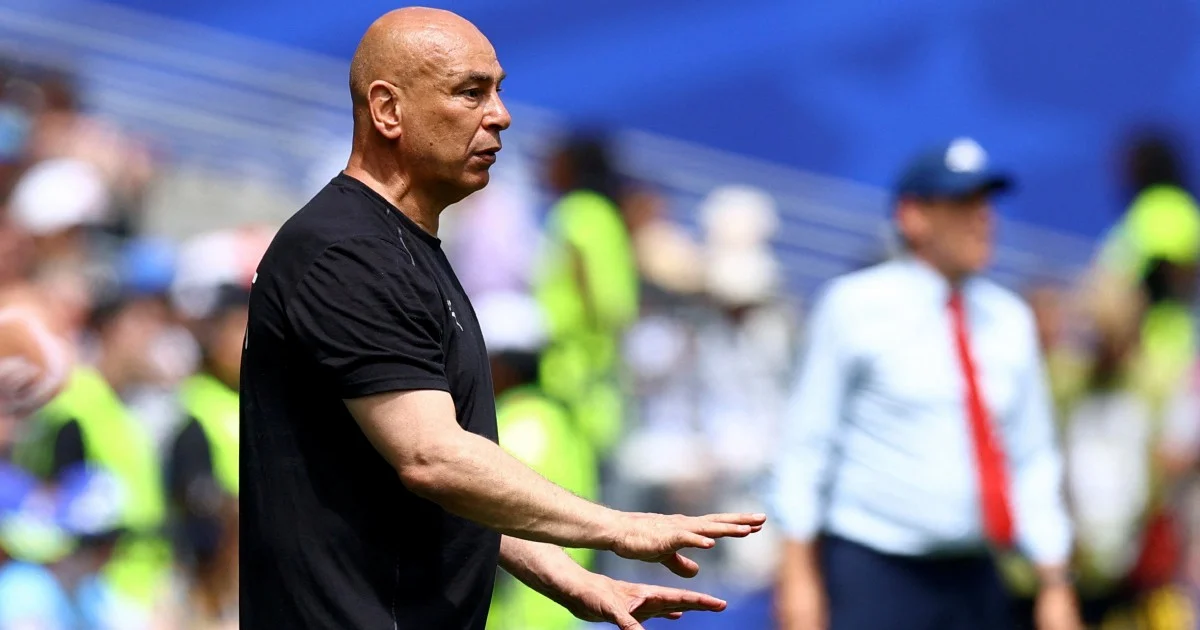
Egypt's national team coach Hossam Hassan has moved to quell mounting speculation about potential friction with his squad's most celebrated footballer, Mohamed Salah, as the North African nation gears up for a decisive World Cup encounter. Speaking ahead of Sunday's Group G fixture against New Zealand at BC Place in Vancouver, Hassan emphatically denied suggestions of internal discord, asserting that the Egyptian camp remains unified in its pursuit of tournament glory.
The defensive comments from Hassan come at a critical juncture in Egypt's World Cup campaign, with the match against New Zealand representing far more than routine group-stage football. For a nation with the continental prestige of Egypt, advancing through the preliminary rounds remains essential to maintaining realistic World Cup ambitions, and Hassan's public reinforcement of squad cohesion appears designed to project confidence both internally and to the watching world. The timing of his remarks suggests the coaching staff is acutely aware of how media narratives can influence team morale during high-pressure competitions.
Mohamed Salah's status within international football has evolved considerably since his emergence as a global superstar. The Liverpool midfielder's performances in the Premier League have established him as one of world football's most dangerous attacking talents, and expectations surrounding his contribution to Egypt's World Cup campaign naturally run exceptionally high. Any perceived tension involving such a pivotal player carries potential implications for team dynamics and performance, making Hassan's preemptive denial strategically important from a management perspective.
The Egyptian national team has historically struggled to translate continental dominance into sustained World Cup success, despite possessing the talent and experience to compete at the tournament's highest level. Hassan's emphasis on internal harmony reflects an understanding that psychological factors often determine outcomes in compressed tournament schedules where matches arrive in rapid succession. Cohesion becomes particularly valuable when facing unpredictable opponents and managing the stress of elimination football.
New Zealand presents an interesting challenge for Hassan's side. While the Oceanian representatives rarely pose traditional threats at World Cups, their physical approach and tactical discipline can disrupt favored teams. For Egypt, particularly with Salah available and motivated, the match should present an opportunity to accumulate the points necessary for progression. Hassan's willingness to address squad speculation proactively suggests confidence in his ability to maintain focus on tactical and strategic objectives.
The broader context of Egyptian football involves persistent scrutiny of personality dynamics and leadership hierarchies. As captain and most internationally recognized player, Salah commands enormous respect but also generates inevitable discussion about his influence over team matters. Hassan's assertion of authority through his denial of internal problems serves multiple purposes: it reassures supporters anxious about potential complications, affirms his leadership credentials, and establishes clear boundaries around discussions of team affairs.
From a regional Southeast Asian perspective, Egypt's World Cup participation carries particular interest given the global migration of footballing talent and the increasing interconnectedness of football markets. Malaysian audiences follow international tournaments intently, and the performance of established football nations provides benchmarks for evaluating the domestic league's competitive standing. Egypt's potential progression or elimination influences broader perceptions of African football quality compared to other continental confederations.
Hassan's management style appears to emphasize unity messaging, a traditional approach in international football when addressing squad harmony questions. By publicly minimizing speculation, he aims to redirect attention toward preparation, tactical work, and the specific challenge posed by New Zealand. This strategy assumes that players respond positively to leadership clarity and that external noise can be compartmentalized from performance focus.
The Egyptian Football Association has invested considerable resources and expectation into their World Cup campaign, and Hassan, as coach, bears ultimate responsibility for translating resources into results. His handling of the Salah situation demonstrates awareness that modern football management extends beyond tactical preparation to include media relations, squad psychology, and narrative control. The comments likely represent a calculated effort to establish a particular framing of the team's circumstances before Sunday's match.
Looking ahead, Egypt's success against New Zealand will substantially determine their group-stage prospects and, by extension, Hassan's credibility as a manager capable of navigating tournament pressures. Whether the squad truly operates in harmony as Hassan claims will be tested by performance, particularly given the scrutiny surrounding Salah's involvement and contribution. The coach's public statements may reflect genuine confidence in squad unity, or they may represent prudent crisis management ahead of a match that demands undistracted focus and maximum effort from every available player.