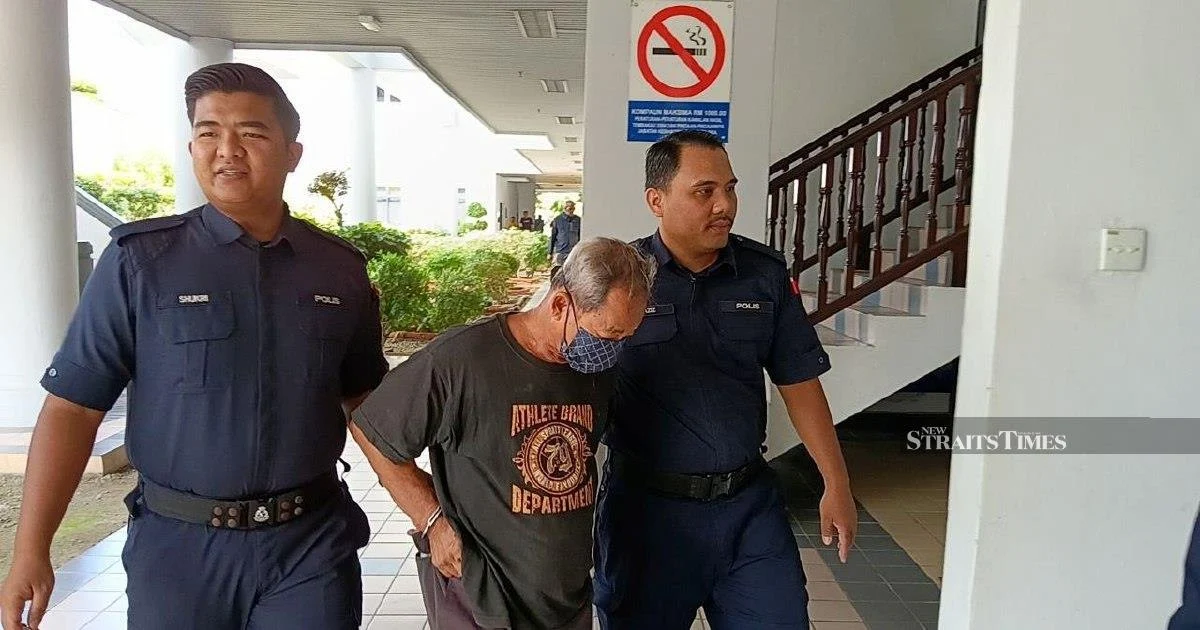
An elderly man made an appearance at Ayer Keroh Sessions Court in Melaka today after being charged with two counts of committing physical sexual assault against two primary schoolgirls. The serious criminal allegations center on alleged incidents that reportedly took place within a mosque storeroom, raising immediate concerns about safety in religious spaces and the protection of vulnerable minors within community gathering areas.
The charges represent a troubling breach of trust within what are traditionally considered sanctuaries of spiritual reflection and community safety. Mosques, like other places of worship, are spaces where families entrust their children to participate in religious education and community activities. The alleged involvement of a senior citizen in such offences strikes at the heart of intergenerational respect and the safeguarding responsibilities that communities bear toward their youngest members.
Details regarding the specific nature of the charges, the age and identities of the victims, and the circumstances surrounding the alleged incidents remain subject to the ongoing legal proceedings. Malaysian courts handle cases involving minors with considerable sensitivity, and restrictions typically apply to the disclosure of identifying information protecting the victims from further harm or publicity.
The case has emerged amid broader discussions across Malaysia and Southeast Asia concerning child safety in public and semi-public spaces. Educational institutions, places of worship, and community centers have increasingly become focal points for safeguarding audits and protocol reviews. Parents and guardians are increasingly vigilant about monitoring interactions their children have with adults in these environments, particularly given recurring cases that have surfaced in recent years.
Authorities in Melaka initiated the investigation and brought charges based on evidence gathered from interviews, medical assessments, and witness statements. The police force and prosecution service have developed specialized units dedicated to handling cases involving minors, applying protocols designed to minimize further trauma to victims while building robust cases for court proceedings.
The Ayer Keroh Sessions Court is one of several judicial venues in Melaka handling criminal matters. Sessions courts in Malaysia operate as intermediate criminal courts with jurisdiction over both indictable and non-indictable offences, making them appropriate venues for charges of this severity. The involvement of a sessions court judge signals the seriousness with which the allegations are being treated by the judiciary.
From a legal standpoint, charges of physical sexual assault carry significant penalties under Malaysian law. Convicted offenders can expect substantial prison sentences, particularly when victims are children and there are aggravating circumstances such as the breach of trust implied by the location and the age disparity between the perpetrator and victims. The court will also consider victim impact statements and factors relating to community safety when determining appropriate sentencing.
The incident underscores persistent challenges in safeguarding children within religious and community institutions across Malaysia. While the vast majority of religious workers and volunteers adhere to the highest ethical standards, occasional breaches have prompted calls for mandatory background checks, supervision protocols, and training in child protection for individuals working with minors in such settings. Some states have begun implementing stricter oversight measures, though implementation remains inconsistent across the country.
For parents in Melaka and surrounding areas, cases of this nature provoke understandable anxiety about the safety of their children in environments traditionally viewed as secure. Community leaders and mosque administrators often respond to such incidents by reinforcing child protection policies, implementing access controls in sensitive areas, and establishing clear reporting mechanisms for concerns or complaints.
The defendant remains bound by the conditions established by the court following his appearance. The case will progress through Malaysia's criminal justice system according to established procedures, with further court dates likely to be scheduled for bail hearings, pre-trial conferences, and eventual trial proceedings. The legal process may span several months or longer, depending on the complexity of evidence and whether either party files appeals or applications.
This case serves as a sobering reminder of the ongoing need for vigilance and robust institutional safeguards, particularly in spaces where children gather. Religious and community organizations increasingly recognize that child protection represents a fundamental responsibility that supersedes other institutional concerns. Building cultures of accountability, transparency, and swift response to allegations remains essential in ensuring that places of worship and community centers remain genuinely safe for the vulnerable members they serve.
Beyond the immediate legal proceedings, the incident may prompt broader discussions within Melaka's Islamic community about strengthening protective measures and fostering environments where children and parents feel empowered to report concerns without fear or stigma. Such conversations, though difficult, ultimately contribute to creating communities where children can grow and learn safely.

