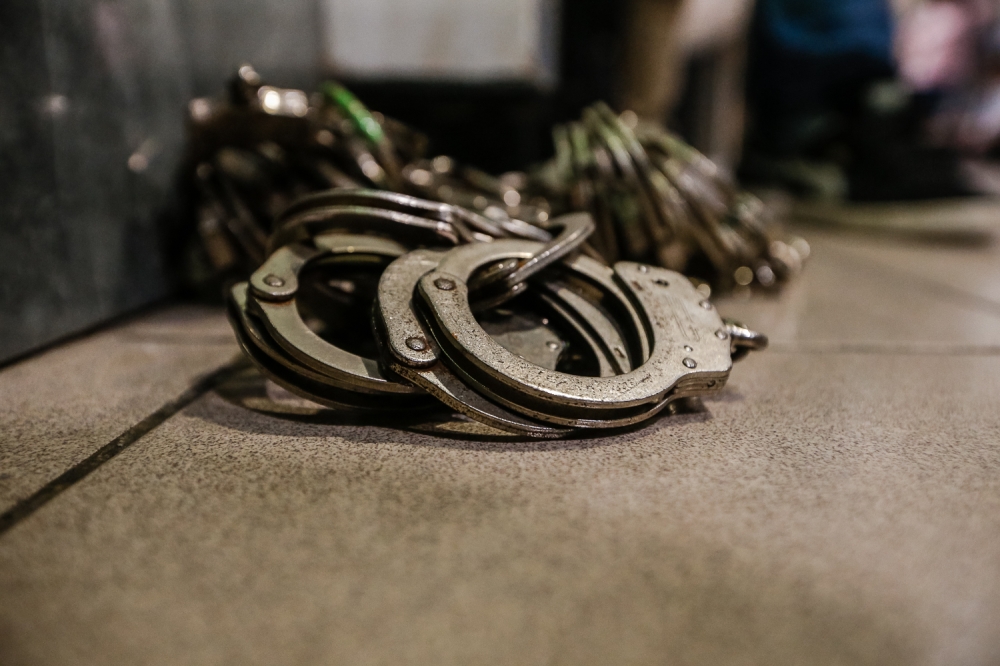
Police in Johor Bahru have launched a significant investigation into the death of a foreign worker, resulting in the arrest of eleven suspects including the victim's employer. The detention marks a serious escalation in scrutiny surrounding workplace safety and the treatment of migrant labourers in the southern Malaysian state, an issue that has periodically drawn criticism from international human rights organisations.
The circumstances surrounding the worker's fatal head injuries have prompted authorities to cast a wide investigative net, suggesting the incident may have involved multiple parties. The decision to detain the employer alongside ten other individuals indicates police are examining potential criminal culpability beyond a simple workplace accident. This approach reflects a growing willingness by law enforcement to pursue corporate accountability in cases involving migrant worker fatalities, a notable shift from previous patterns where such incidents often resulted in minimal prosecution.
Johor, Malaysia's second-largest state by population and a major industrial hub, has historically been home to substantial numbers of foreign workers employed across manufacturing, construction, agriculture, and domestic service sectors. The concentration of migrant labour in the state makes workplace safety protocols and employer compliance particularly critical. Over recent years, sporadic reports of workplace incidents affecting foreign workers have surfaced, though comprehensive statistics remain difficult to obtain due to gaps in official data reporting and documentation challenges faced by workers themselves.
The involvement of the employer as a primary detainee suggests investigators may be exploring whether occupational safety standards were violated, whether adequate protection was provided, or whether negligence contributed to the fatal injury. In Malaysian labour law, employers bear significant responsibility for maintaining safe working environments and providing appropriate protective equipment. The breadth of the arrest operation—extending to ten additional individuals—raises questions about whether the incident involved assault, gross negligence, or a combination of factors requiring multiple parties' involvement.
Migrant workers in Malaysia occupy a complex legal position. While protected under the Employment Act and other legislation, they frequently face practical barriers to accessing justice, including language obstacles, limited awareness of their rights, and vulnerability to employer retaliation including wage theft or illegal deportation. The Johor incident underscores why international labour organisations and civil society groups have consistently called for stronger enforcement mechanisms and worker protection protocols, particularly in sectors with higher injury rates and minimal union representation.
The timing and scale of this police response may reflect heightened attention from state authorities responding to public concern or advocacy pressure. Johor's state government has periodically acknowledged workplace safety as a priority, though critics argue enforcement remains inconsistent. This operation demonstrates that serious fatalities involving foreign workers can still trigger comprehensive criminal investigations, though questions persist about how consistently such diligence is applied across comparable cases throughout the state.
The detention of eleven individuals will likely lead to a complex charging process as police determine precisely which individuals bear direct or indirect responsibility for the worker's death. Potential charges could range from negligence causing death to more serious allegations depending on evidence gathered. The investigation's progression will provide insight into how Malaysia's criminal justice system handles corporate liability when foreign workers are the victims, a category of case that has rarely featured prominently in high-profile prosecutions.
This incident also carries implications for Malaysia's international labour reputation. The country relies substantially on foreign workers to maintain competitiveness in manufacturing and other sectors, yet periodic workplace fatalities attract scrutiny from labour-sending nations and international monitoring organisations. Thailand, Indonesia, Bangladesh, and other major source countries occasionally issue travel advisories or implement recruitment freezes in response to reports of worker mistreatment or unsafe conditions, creating diplomatic tensions and labour supply disruptions that ultimately affect Malaysian businesses and the economy.
For employers across Johor and neighbouring states, the aggressive police response serves as a reminder that negligence or misconduct resulting in worker deaths carries serious criminal consequences. Industry bodies and business associations may use this case to reinforce workplace safety training and compliance messaging to member companies. The case also underscores why investment in proper safety infrastructure, training, and accountability mechanisms represents not merely ethical necessity but practical business prudence in Malaysia's increasingly scrutinised employment landscape.

