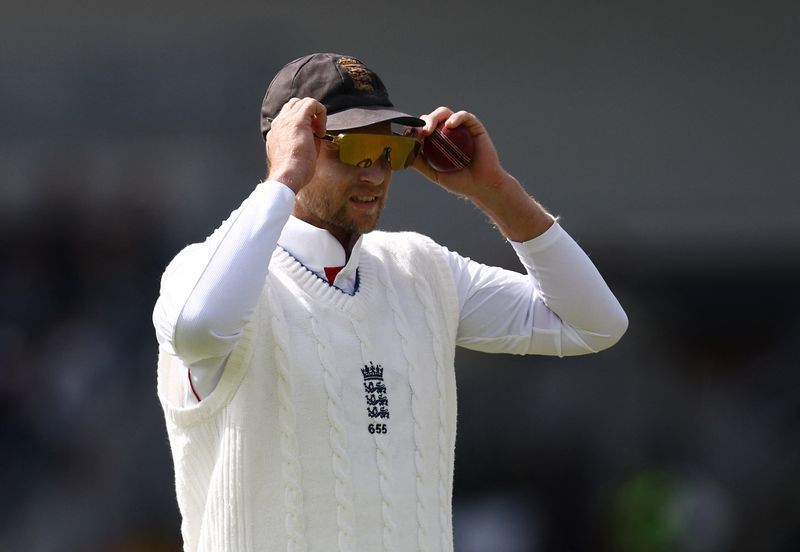
England's cricket captain Joe Root has vented his frustration at what he describes as a pattern of poor decision-making away from the field, following the latest in a series of nightclub incidents involving his squad members. The catalyst for his comments comes after fast bowler Brydon Carse was involved in a police incident at a nightclub, an affair that has prompted the England and Wales Cricket Board to exclude him from the second test match against Pakistan scheduled to commence on Thursday. Root's visible exasperation underscores mounting tensions within the squad as the team attempts to establish professional standards befitting international cricket's highest level.
Carse's removal from the upcoming fixture represents a significant decision by the ECB, signalling the board's intention to enforce accountability for conduct deemed unsuitable for a national representative. The 31-year-old pacer has been replaced by Sonny Baker in the squad following the incident, which became public after social media videos appeared to show him in handcuffs whilst being questioned by police officers. Though Carse was briefly detained and subsequently released without charges being pressed, the ECB has referred the matter to the independent Cricket Regulator to determine whether his actions violated the board's code of conduct provisions.
Root's frustration extends beyond this single occurrence, reflecting deeper anxieties about what he perceives as a troubling cycle of preventable mistakes. The captain explicitly stated that his primary concern lies not with isolated incidents, but rather with the cumulative pattern of poor judgement that continues to compromise the team's reputation and focus. This recurring pattern has involved several high-profile players, including Harry Brook, Ben Duckett, former captain Ben Stokes, and Gus Atkinson, all of whom have been implicated in nightclub-related situations. The frequency of these incidents has prompted observers to raise questions about whether an underlying culture of excessive drinking or inadequate behavioural boundaries exists within the England setup.
The implications for English cricket extend beyond immediate team cohesion. Such repeated off-field incidents risk distracting from on-field performance, diverting media attention and fan engagement away from competitive achievements. England has already demonstrated strong form in the Pakistan series, having won the opening test by an innings and 103 runs, yet this success risks being overshadowed by disciplinary controversies. For a team attempting to rebuild its brand and credibility following years of volatility, these repeated lapses represent a significant setback in establishing the professionalism and focus necessary for sustained excellence.
Root, who recently returned to the captaincy following Ben Stokes' retirement from international cricket, has made clear that the playing group understands the expectations placed upon them. He indicated that the squad has conducted internal discussions regarding standards of conduct and what representing England demands from its athletes. These conversations, according to Root, have been explicit about the responsibilities that accompany wearing the national colours and the commitment required to uphold the institution's values. However, the persistence of such incidents suggests that awareness and understanding may not be translating effectively into modified behaviour.
The captain has also spoken directly with Carse concerning the incident, and his account presents a picture of a player cognisant of his transgression. Root described Carse as genuinely remorseful and apologetic, someone who comprehends the seriousness of his actions and their consequences. This characterisation suggests that the player concerned recognises the gravity of the situation and the damage caused to both his own reputation and that of the broader England team. Root's indication that Carse will likely address his actions publicly at some point provides a potential opportunity for the player to demonstrate accountability and commitment to rehabilitation.
The broader challenge facing Root involves building what he describes as a strong team culture worthy of pride, whilst acknowledging that such cultural transformation cannot be achieved instantly. His comments suggest a recognition that the current environment requires substantial work to align individual conduct with institutional expectations. The process of establishing meaningful behavioural change demands consistent reinforcement, clear consequences for transgressions, and a demonstrable commitment from leadership to model the standards being demanded of players.
The independent Cricket Regulator's investigation into whether Carse breached the ECB's code of conduct will likely take several weeks to conclude, during which the broader question of how England manages its disciplinary framework will remain under scrutiny. For Malaysian cricket followers and regional readers, this situation illustrates the challenges facing professional sports teams in balancing player welfare and freedom with institutional responsibility and brand reputation. The way England navigates this incident may set precedent for how cricket boards across the region approach similar matters in their own jurisdictions.
England's upcoming fixtures against Pakistan, including the second test at Lord's followed by a third test in Birmingham next month, will occur against this backdrop of controversy. Whether the squad can channel this period of scrutiny into focused performance remains to be seen, though Root's evident determination to establish clear standards suggests the team management takes the matter seriously. The next few weeks will likely determine whether these repeated incidents represent a temporary crisis in conduct or symptomatic of deeper structural issues within the team's culture and support systems.

