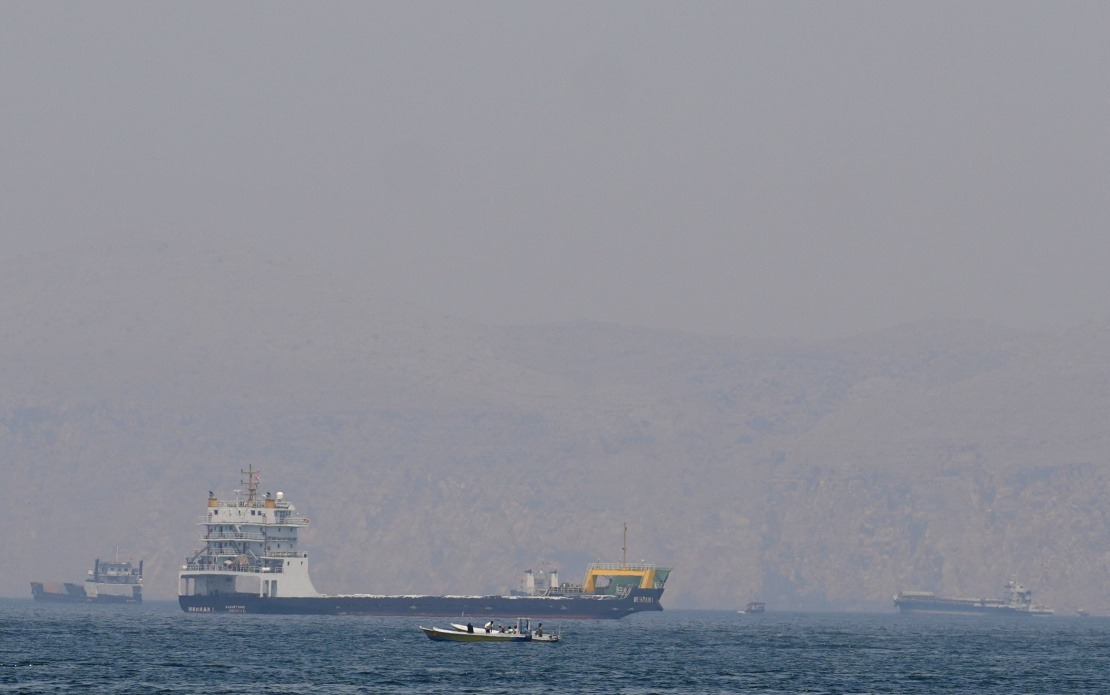
A coordinated statement from the European Union and the Gulf Cooperation Council has forcefully rejected assertions of state control over the Strait of Hormuz, signalling a unified diplomatic stance against maritime disruptions in one of the world's most critical energy chokepoints. Delivered following a high-level security forum in Brussels, the declaration represents a significant show of solidarity between Europe and the Gulf region at a moment of escalating tensions in the Middle East.
The joint position explicitly prohibits bilateral arrangements between nations that would unlawfully restrict passage through the strategic waterway, which serves as the conduit for roughly one-third of global seaborne traded oil. The statement underscores that international law, particularly the UN Convention on the Law of the Sea, guarantees unobstructed transit to all vessels regardless of their flag state. This principle holds particular resonance for maritime trading nations throughout Southeast Asia, where disruption to the Strait would immediately threaten supply chains and energy security.
Kaja Kallas, the EU's chief foreign policy official, co-chaired the Brussels forum alongside Bahraini Foreign Minister Abdullatif bin Rashid Al-Zayani, who holds the rotating chair of the GCC Ministerial Council. The participation of these senior officials underscores the gravity with which both blocs view the situation. The forum, held on July 13, brought together representatives concerned about mounting instability in the region and the implications for global maritime commerce and energy markets.
The statement carries pointed criticism of Iran's actions, condemning attacks on commercial shipping and regional territories as violations of international law and UN Security Council Resolution 2817. These assaults have jeopardised civilian lives and endangered seafarers of various nationalities, the blocs noted, adding that such conduct cannot be justified under any legal or diplomatic framework. For Malaysian shippers and energy importers, these incidents represent a direct threat to national economic interests, as Malaysia depends substantially on stable maritime routes through the Gulf region.
Both the EU and GCC have called on Iran to immediately and unconditionally cease all hostile actions targeting vessels and maritime infrastructure, while maintaining the Strait as a free passage without tolls, service charges, or other administrative impediments. The demand reflects growing international concern that regional disputes should not be weaponised through control of critical chokepoints. Such an approach aligns with broader Southeast Asian interests in maintaining rules-based international commerce.
The declaration emphasises that threats to any single state's security in the region constitute concerns affecting all nations dependent on the Strait's stability. This interconnected security framework recognises that maritime disruption carries cascading consequences far beyond the immediate region. Malaysia, as a major trading nation with significant interests in Middle Eastern energy supplies, sits squarely within this network of affected parties.
Despite the firm diplomatic language, both blocs have simultaneously advocated for restraint and renewed commitment to dialogue. The statement reaffirms their dedication to resolving the underlying crisis through diplomatic channels rather than military escalation. This diplomatic balance suggests recognition that while deterrence is necessary, sustainable solutions require engagement and negotiation. The EU and GCC have pledged to coordinate closely on protecting international shipping and ensuring navigational freedoms.
The current tensions must be understood against the backdrop of broader US-Iran hostilities, which have intensified maritime security concerns throughout the region. Adding further complexity is a Pakistan-brokered memorandum of understanding signed in June aimed at ceasing conflict and establishing lasting peace, yet the continuation of attacks suggests significant obstacles to implementing such agreements. For Malaysia and other Southeast Asian nations, these regional dynamics remain distant but consequential, as instability directly affects energy prices, shipping costs, and economic growth.
The joint statement represents more than symbolic posturing; it establishes clear international legal parameters against unilateral action in contested maritime zones. By explicitly referencing established international conventions, both blocs attempt to constrain escalation through appeals to legal principle. However, the persistence of attacks despite prior diplomatic efforts suggests that legal frameworks alone may prove insufficient without meaningful enforcement mechanisms or altered incentive structures for the belligerent parties.
For Malaysian policymakers and maritime stakeholders, the EU-GCC position provides reassurance that major international actors recognise the importance of maintaining free passage through vital waterways. Nevertheless, the ongoing volatility underscores the vulnerability of regional economies to geopolitical disruptions beyond their immediate control. Diversifying energy sources and developing alternative trading routes remain prudent long-term strategies for nations reliant on Strait of Hormuz transit.
The forum's outcomes also reflect broader alignment between European and Gulf interests in regional stability, an alignment that has strengthened considerably since earlier tensions between these actors. This unity provides a counterbalance to regional powers pursuing unilateral maritime ambitions and demonstrates that major international stakeholders share interests in upholding established legal frameworks governing international commerce. As these diplomatic efforts continue, the focus remains on translating declaratory positions into concrete actions that restore navigational security and reduce incentives for further escalation.

