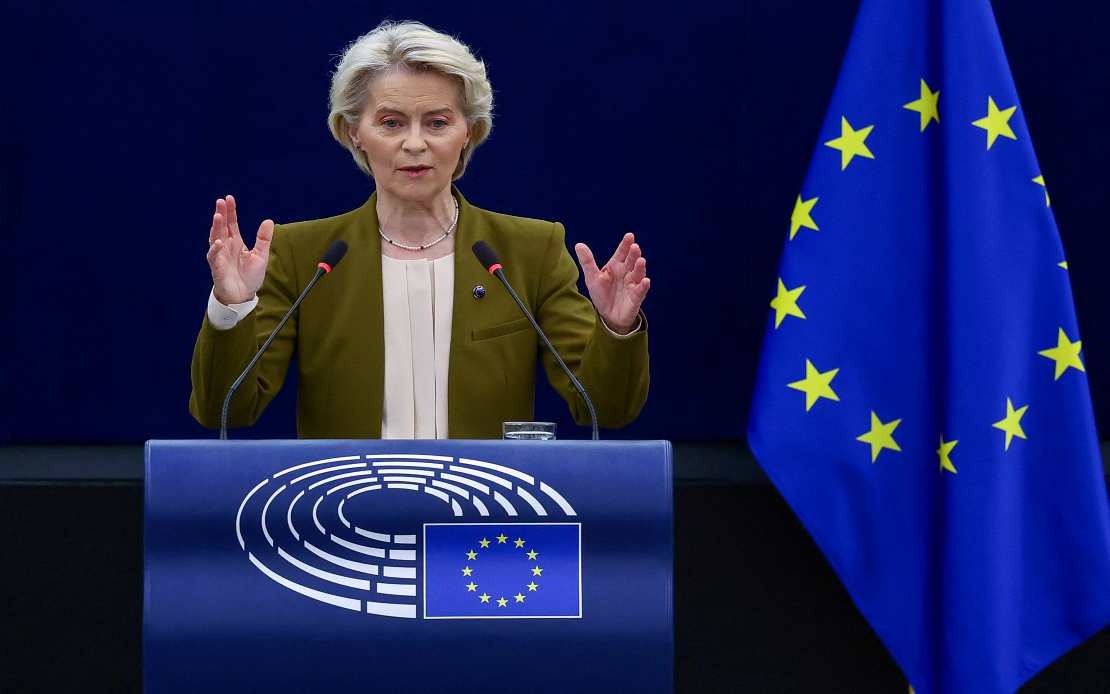
The European Union has moved swiftly to mobilize substantial humanitarian assistance for Colombia in the aftermath of a devastating earthquake that struck the South American nation earlier this week. European Commission President Ursula von der Leyen announced the €2.1 million aid package on Wednesday, equivalent to approximately US$2.4 million, as search and rescue efforts continue across the affected regions. The seismic event, which registered 7.4 on the magnitude scale, has claimed at least 181 lives and left countless communities in urgent need of relief supplies and reconstruction support.
The timing and scale of the EU's response underscores the bloc's commitment to rapid humanitarian intervention during natural disasters affecting partner nations. Von der Leyen's statement emphasized the European Union's readiness to provide support across all necessary avenues, reflecting Brussels' broader strategy of positioning itself as a reliable development partner in the Western Hemisphere. This multifaceted approach to crisis response has become a cornerstone of EU foreign policy, particularly in regions where strengthening diplomatic ties serves strategic European interests.
The funding allocation targets specific areas of critical humanitarian need identified by Colombian authorities and EU coordination teams on the ground. The assistance will provide essential health services, clean water supplies, sanitation and hygiene materials, emergency shelter, food provisions, protection services for vulnerable populations, and direct cash transfers to affected households. This comprehensive package reflects international best practices in disaster response, addressing both immediate survival needs and the foundational requirements for preventing secondary health crises and disease outbreaks that typically follow major earthquakes in densely populated areas.
Even before formally announcing the larger aid commitment, the European Commission had already disbursed €100,000 to the German Red Cross operating in the most severely impacted provinces of Chocó and Valle del Cauca. This initial allocation specifically targeted emergency relief for approximately 2,500 families facing the most acute hardship in these regions. The decision to channel funds through established humanitarian organizations already present in affected areas demonstrates the EU's understanding that disaster response effectiveness depends on coordinating with organizations that possess existing infrastructure, local knowledge, and established distribution networks.
Beyond financial contributions, the European Union has placed its advanced technological capabilities at Colombia's disposal to enhance emergency operations management and coordination. The EU's satellite mapping services, which provide real-time geospatial information about damage patterns, infrastructure disruptions, and population concentrations, represent a significant technical contribution that complements on-ground relief efforts. Such technologies enable emergency managers to allocate resources more efficiently, identify priority intervention zones, and monitor the progression of search and rescue operations across challenging terrain.
The European Commission has emphasized that this assistance package remains flexible and subject to adjustment as situations evolve on the ground. Maintaining ongoing contact with Colombian government representatives allows the EU to calibrate its support according to emerging priorities and newly identified vulnerabilities. This adaptive approach prevents the common inefficiency where predetermined aid packages fail to address actual on-the-ground conditions or duplicate assistance already provided through other channels.
For Southeast Asian observers, the EU's rapid mobilization of resources offers instructive lessons regarding international disaster response protocols and the value of maintaining robust diplomatic relationships that facilitate swift humanitarian coordination during emergencies. The €2.1 million commitment, while substantial, also reflects how major developed economies now approach crisis assistance, balancing immediate humanitarian obligations with longer-term development support requirements.
Colombia's experience with this earthquake will likely inform discussions among developing nations about strengthening regional disaster response mechanisms and international cooperation frameworks. The coordination between EU institutions and Colombian authorities demonstrates how multilateral organizations can effectively support national governments without undermining sovereignty or local decision-making authority. Such partnerships have become increasingly important as climate change and geological factors expose more communities to catastrophic natural disasters requiring international cooperation.
The earthquake itself represents a reminder of the seismic risks that characterize much of the Pacific Ring of Fire and adjacent geological zones, areas where several Southeast Asian nations also face significant earthquake and tsunami threats. The international community's response to Colombian emergency needs sets precedents and establishes expectations for how developed nations should respond when their own Southeast Asian partners face comparable disasters. The EU's transparent communication about aid allocation and coordination mechanisms provides valuable benchmarking for other international actors engaging in disaster response operations across the developing world.

