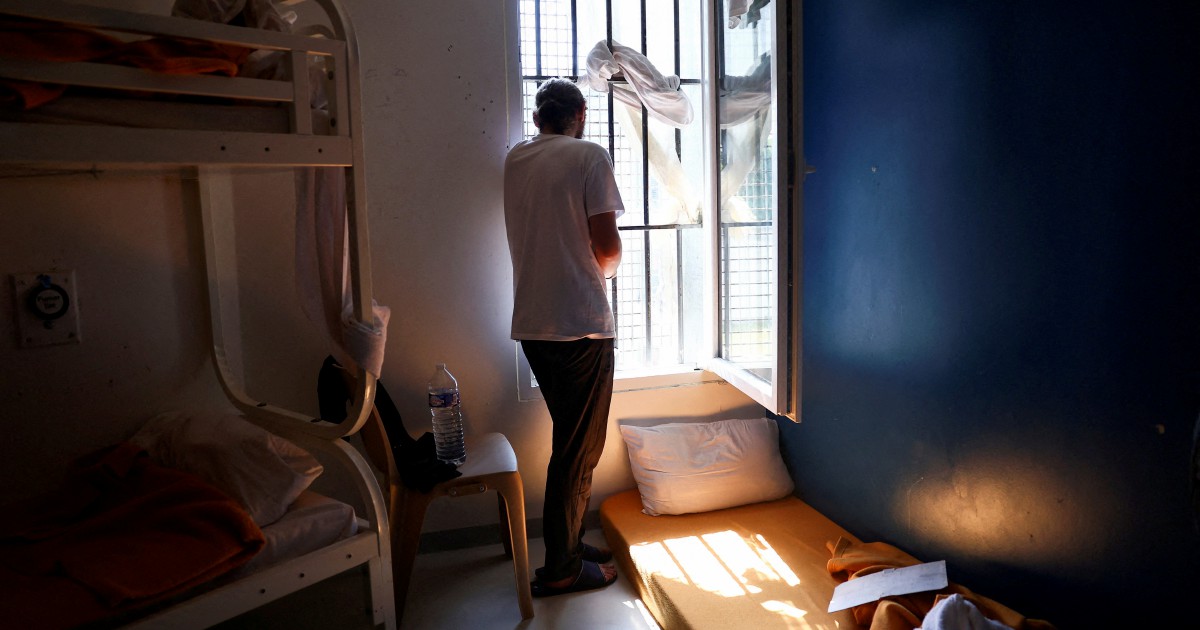
A prisoner in France sat in sweltering heat with sodden towels draped around his window bars, attempting to convey the brutal reality of incarceration during a heatwave to a visiting official. With temperatures climbing beyond 37 degrees Celsius, the scene encapsulated a broader crisis unfolding across European correctional institutions: aging facilities designed decades ago are buckling under the strain of overcrowding and extreme weather, creating conditions that many argue violate fundamental human rights standards.
Europe's prison population has grown substantially over recent decades, yet infrastructure investment has not kept pace with this expansion. Many facilities remain relics of the twentieth century, lacking modern climate control systems, adequate ventilation, and basic cooling mechanisms. The disparity between inmate numbers and available space has created pressure cookers where heat becomes not merely uncomfortable but genuinely dangerous. Medical professionals have warned that prolonged exposure to such temperatures can trigger heat-related illnesses ranging from exhaustion to potentially life-threatening complications, particularly among vulnerable populations including elderly prisoners and those with chronic health conditions.
French correctional authorities face particular scrutiny as their system grapples with persistent overcrowding. Prison capacity has been stretched well beyond design specifications, with multiple jurisdictions operating at over 100 percent capacity. The situation reflects a broader European trend where demand for detention spaces continues to outpace new construction. Political reluctance to invest heavily in prison infrastructure, combined with tough-on-crime policies that have expanded inmate populations, has created a self-reinforcing cycle of deterioration. Guards report struggling to maintain basic hygiene standards, and mental health support remains inadequate during crisis periods.
For Malaysian observers, the European prison crisis offers important lessons about infrastructure planning and detention standards. While Malaysia's climate differs from temperate Europe, tropical conditions in Malaysian prisons similarly demand robust cooling systems and proper ventilation. The Southeast Asian region's growing urbanization and development have also coincided with increased incarceration rates, raising questions about whether detention facilities are adequately designed for modern challenges. The European experience suggests that deferred maintenance and underfunding can rapidly compound into public health emergencies that demand expensive emergency interventions.
Beyond the immediate discomfort, heatwaves expose deeper governance failures within European correctional systems. Prison monitoring organizations have documented inadequate access to clean water, insufficient medical staff, and inability to separate dangerous individuals from vulnerable populations due to space constraints. The infrastructure crisis creates cascading problems: overheated facilities accelerate tensions among inmates, increase violence and self-harm incidents, and strain already under-resourced mental health services. Correctional staff face their own hazards, working in oppressive conditions with minimal cooling protections, leading to recruitment difficulties and high burnout rates.
The timing of these crises during unprecedented heat events has prompted some European governments to acknowledge systemic failures. Climate change projections suggest that extreme weather will become more frequent and intense, making the current crisis a harbinger of future challenges. Several countries have begun discussing emergency renovation programs and capacity reduction strategies, though funding constraints and political opposition slow implementation. Early release schemes and alternative sentencing arrangements are being considered to alleviate pressure, though these measures remain controversial among law enforcement communities.
International human rights bodies have increasingly scrutinized European prison conditions, arguing that sustained exposure to extreme heat and overcrowding constitutes cruel and degrading treatment. Courts across the continent have begun receiving complaints from inmates, some alleging that their detention conditions breach fundamental rights protections. This legal pressure may ultimately prove more effective than political will in driving systemic change, as governments face potential litigation and international criticism.
The broader lesson extends beyond Europe. Prison systems globally must contend with aging infrastructure, rising populations, and environmental pressures. Southeast Asian nations, including Malaysia, should examine their detention facilities to identify similar vulnerabilities before crisis periods expose them catastrophically. Investment in modern, climate-appropriate facility design, reduction of overcrowding through criminal justice reform, and adequate staffing represent necessary components of humane and effective correctional systems. Treating prison infrastructure maintenance as a preventative measure—rather than an optional expenditure—ultimately saves resources while upholding basic standards of human dignity.
For European societies, the heatwave crisis serves as a critical wake-up call about the consequences of neglecting public institutions. While prisons lack the political popularity of schools or hospitals, they remain governmental responsibilities where basic welfare standards must be maintained. The towels draped around a French prisoner's cell window represent not merely an inadequate adaptation to environmental stress, but a symbol of systemic collapse that demands comprehensive rather than piecemeal solutions. Without significant investment and structural reform, Europe's prisons will continue deteriorating, creating humanitarian costs that ultimately burden wider criminal justice systems and communities.

