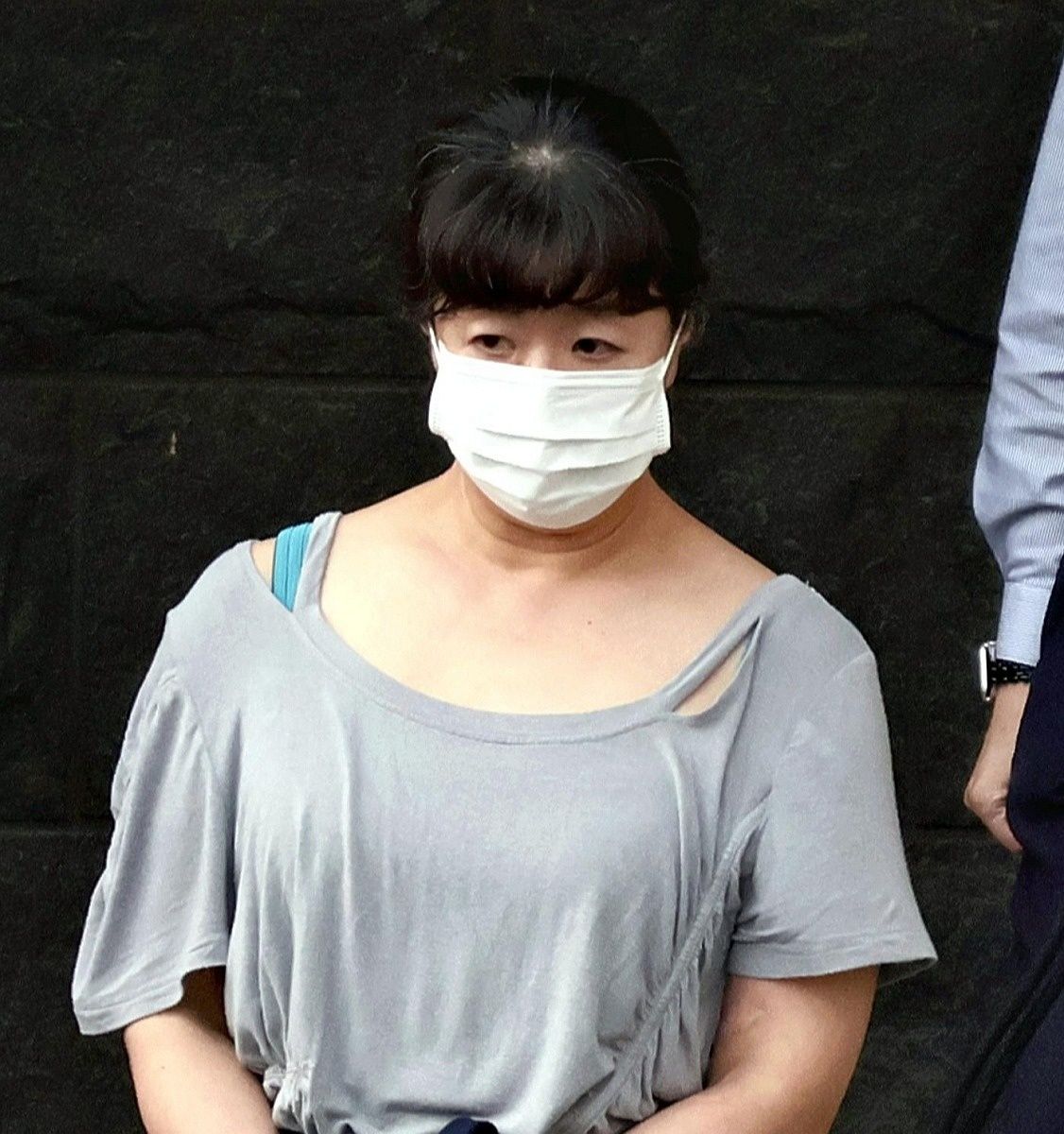
A shocking case of alleged medical sabotage has unfolded in Japan's Chiba Prefecture, where authorities have arrested a former nurse on suspicion of deliberately contaminating a patient's intravenous drip line, leading to his death. Miyuki Furukawa, 51, was detained on Wednesday following an investigation into the death of 75-year-old Eiji Aida at Kashiwa Tanaka Hospital. The sequence of events that emerged paints a disturbing picture of what investigators believe was an intentional act carried out in the early hours of January 30, with fatal consequences that would become apparent within hours.
According to police accounts, Furukawa is suspected of inserting faecal matter into the extension tube of Aida's intravenous drip at approximately 3.55am on the morning in question. Hospital security footage corroborates her presence in and around the patient's room during the critical timeframe, with recordings showing her entering and leaving multiple times. Despite the serious allegations, Furukawa has maintained her innocence, publicly denying any involvement in tampering with medical equipment. However, the forensic and circumstantial evidence collected by investigators at Chiba prefectural police paints a substantially different narrative.
The patient's condition deteriorated markedly within hours of the alleged contamination, though the true cause remained initially obscure to medical staff. Aida was pronounced dead shortly after 10.30pm on January 31, less than 24 hours after the suspected incident. An autopsy and subsequent medical examination determined that he died from multiple organ failure triggered by severe sepsis, a life-threatening inflammatory response to infection. Critically, laboratory analysis of Aida's blood revealed the presence of bacteria consistent with human faecal matter, establishing a direct biological link between the contamination and his fatal condition.
The discovery of the tampering itself came from an alert hospital employee rather than routine medical observation. On February 1, a colleague noticed that the interior surface of the extension tube had turned distinctly brown in colour. Recognising the significance of this unusual discolouration, the staff member immediately reported the matter to Kashiwa Police, specifically noting "the possibility that a foreign substance was inserted." This vigilant action proved instrumental in launching the criminal investigation that would ultimately lead to Furukawa's arrest weeks later.
Beyond the physical evidence, investigators have uncovered several troubling details that suggest premeditation and motive. According to sources close to the investigation, Furukawa and Aida had engaged in an argument prior to the incident, establishing a potential personal motivation for the alleged act. More damning still is the discovery that Furukawa had conducted internet searches on her personal smartphone using the specific phrase "faeces injection — Will [he] die?" The timing and nature of this search strongly suggest advance deliberation about the potential lethality of such an action.
At the time of the alleged sabotage, Furukawa held the position of head nurse overseeing night shift operations at Kashiwa Tanaka Hospital, a role that would have granted her access to patient rooms and medical equipment with minimal oversight during late-night hours. This position of authority and trust within the medical facility appears to have been exploited to carry out the alleged crime. Following the incident, her employment circumstances underwent significant changes. She resigned from Kashiwa Tanaka Hospital at the conclusion of February and subsequently found work as a midwife at a different medical institution in Tokyo, demonstrating her continued employment in healthcare despite the serious allegations.
The case has profound implications for Japanese healthcare institutions and the broader medical profession. Hospital authorities and regulatory bodies must confront uncomfortable questions about staff screening, workplace monitoring, and the vulnerability of patients to malevolent actors within medical environments. Aoikai, the organisation that operates Kashiwa Tanaka Hospital, released a formal statement characterising the alleged act as "absolutely unforgivable" both from an institutional healthcare perspective and on fundamental human grounds. The organisation affirmed its complete cooperation with ongoing police investigations and expressed commitment to uncovering the full facts surrounding the tragedy.
For Malaysian healthcare observers, this case underscores critical vulnerabilities in hospital security and patient safety protocols, regardless of geographic location. While such incidents remain comparatively rare, the implications for staff vetting, CCTV monitoring in critical care areas, and supervisory oversight of vulnerable patient populations demand serious consideration. The ease with which a healthcare worker with access to medical equipment could allegedly carry out such an act highlights the necessity for robust checks and balances within medical institutions.
Chiba prefectural police continue their investigation into Furukawa's precise motivations and the detailed circumstances surrounding the incident. The case has attracted significant media attention in Japan and raises broader questions about institutional accountability, workplace conduct, and the safeguards necessary to protect hospitalised patients from potential harm by those entrusted with their care. As the legal proceedings advance, this incident will likely influence how Japanese hospitals and potentially healthcare systems across Asia approach staff management and patient protection protocols in vulnerable care settings.

